Modern luxury hotels in Singapore for European design lovers
This guide is for European travellers who value contemporary architecture, thoughtful interiors and calm urban sophistication when choosing a hotel. Singapore has become a showcase for modern luxury hotels, pairing polished service with design-led spaces that feel more like curated residences than traditional grand hotels.
Citywide, from Marina Bay’s sculptural skyline to leafy residential enclaves and reclaimed waterfronts, modern luxury hotels in Singapore offer a cohesive experience of architecture, art and light. For a broader overview of classic and heritage-focused options, you can explore the best luxury hotels in Singapore for European travellers, then return here to focus on the most contemporary stays.
Geographically, Singapore is a compact island city-state at the southern tip of the Malay Peninsula, which means most design-rich neighbourhoods and hotels are within a 15–25 minute drive of one another, making it easy to explore multiple areas during a single stay.
Understanding Singapore’s contemporary luxury hotel scene
Modern luxury hotels in Singapore tend to fall into two broad categories: sculptural high-rise properties that define the skyline, and intimate design hotels that focus on atmosphere, materials and art. Both share a commitment to clean lines, natural light and an understated, often residential mood that appeals to European tastes.
Contemporary luxury stays here frequently blur the boundaries between hotel, members’ club and urban resort. Expect open-plan lobbies that double as co-working and lounge areas, understated colour palettes, and a strong emphasis on greenery and indoor–outdoor transitions. Many newer hotels incorporate biophilic design, with pocket gardens, sky terraces and living walls softening the glass and steel.
From a practical perspective, the city’s compact size and efficient transport system allow you to choose a hotel primarily for its design language and lifestyle rather than out of necessity for location. The difference between districts is less about access and more about mood: futuristic, corporate, residential, cultural or beachside-urban.
Design-forward districts: where modern hotels concentrate
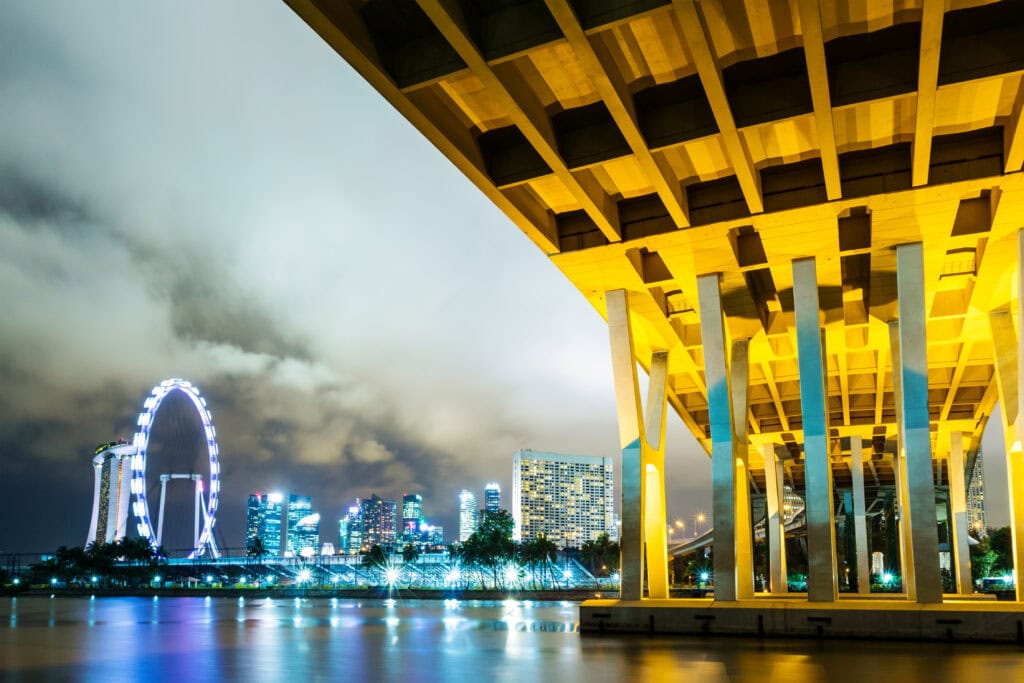
Although this guide takes a citywide view, certain neighbourhoods are especially rich in modern hotels. Marina Bay is the focal point for statement architecture and sweeping skyline views, with towers that feel almost like inhabiting a piece of contemporary sculpture. This area appeals to travellers who enjoy dramatic night-time panoramas, waterfront promenades and direct access to major attractions.
Orchard Road, traditionally known for shopping, has a cluster of contemporary luxury hotels that function as elevated urban retreats. Set slightly back from the main avenue, some properties offer calm, leafy outlooks while still placing you near galleries, high-end retail and good transport connections. Interiors here tend to favour warm woods, tailored fabrics and an almost residential sensibility.
In and around the Central Business District (CBD) and Chinatown, you will find modern hotels housed within sleek new towers or carefully adapted heritage shells with minimalist additions. These appeal to travellers who appreciate sharp lines, monochrome palettes and proximity to both offices and historic streetscapes. The juxtaposition of cutting-edge design with older shophouse architecture is particularly striking in this part of town.
Sentosa, meanwhile, offers contemporary luxury hotels with a resort orientation. Expect low-rise architecture integrated with landscaping, large windows framing greenery or sea, and generous outdoor spaces. These properties are better suited to slow mornings and pool time than to late-night urban exploration, but downtown remains readily accessible by taxi or public transport.
Key design elements that define modern luxury hotels in Singapore
For travellers specifically seeking modern hotels in Singapore, it is helpful to understand the design elements that frequently recur. One hallmark is the use of natural materials to soften urbanity: stone, timber and textured fabrics balance the glass and steel. Many properties commission custom furniture and lighting, resulting in spaces that feel cohesive and intentionally curated.
Lighting design is another strong point. Rather than harsh overheads, expect layered illumination with floor lamps, concealed LED strips and sculptural fixtures that create a warm, gallery-like ambiance. Corridors and public spaces are often treated as extensions of the interior design story, with art installations, curated book selections and unexpected viewpoints.
Guest rooms in contemporary luxury stays tend to favour open layouts and sliding partitions rather than solid separations, creating flexibility between sleeping, bathing and working areas. Bathrooms often feature large walk-in showers, freestanding tubs where space allows, and clean-lined fittings in black, bronze or brushed steel. Storage is usually concealed, supporting a clutter-free aesthetic that many European travellers appreciate after a long-haul flight.
Public spaces are designed to encourage lingering rather than simply passing through. Lobbies may incorporate café corners, design boutiques or quiet reading nooks. Rooftop pools and bars are common, but in modern luxury hotels they are often framed by careful landscaping, subtle sound design and thoughtful furniture placement, emphasising calm rather than spectacle.
Area-by-area: contemporary stays and what they offer
When looking at modern luxury hotels Singapore-wide, it is useful to consider how each area shapes the experience beyond the room itself. In Marina Bay, the emphasis is on vast windows and high-floor perspectives: the architecture encourages you to look outward across water, gardens and towers. It is ideal if you value sunrise views, evening city lights and direct links to cultural venues, but it can feel somewhat formal, especially during weekday business hours.
Orchard Road and its surrounding residential streets are better if you prefer a subtler, neighbourhood feeling. Many hotels here tuck themselves among embassies and apartment buildings, giving a sense of living in the city rather than simply visiting. You are close to dining, nightlife and shopping, yet often retreating to a quieter side street or elevated garden-level pool.
In the CBD and nearby waterfront districts, design-led luxury focuses on sleek efficiency and a sophisticated urban tone. These hotels suit travellers who enjoy walking between modern towers, riverfront promenades and food-focused enclaves. Nightlife and dining are strong, but the area can feel quieter on weekends, which some guests experience as pleasantly calm, others as a little subdued.
Across the city, especially near riverside districts and creative quarters, you will also find smaller properties that lean heavily into contemporary design. These may occupy mid-rise buildings with fewer rooms, focusing on tailored service, distinctive interiors and a strong sense of place. They tend to appeal most to design-conscious guests who prefer intimacy over grandeur, and who value thoughtful public spaces as much as large rooms.
Balancing design, comfort and connectivity
While the visual appeal of design-led luxury is obvious, European travellers often weigh it against practical questions: bed comfort, soundproofing, climate control and connectivity. In Singapore, modern hotels typically perform well on these fundamentals, but the details vary from one property to another.
Newer or recently renovated hotels usually offer strong acoustic insulation, which is particularly helpful in central districts with busy traffic. Large windows frequently come with effective blackout blinds, important for adjusting to time zone changes. Air conditioning is omnipresent, though contemporary properties often allow more nuanced control over temperature and airflow than older hotels.
Wi‑Fi quality is generally robust citywide, and design-focused hotels tend to integrate technology discreetly. Control panels, hidden charging points and integrated speakers are common, but usually kept visually minimal. For those who travel with several devices, rooms with multiple universal power sockets and USB ports are worth seeking out, especially in business-oriented districts.
Comfort also extends to layout: in many modern hotels, work areas are designed as part of the room’s aesthetic rather than a purely functional desk. Expect dining tables that double as workspaces, or window benches that invite laptop use with a view. This approach suits longer stays where you might mix remote work with sightseeing and dining.
Choosing the right contemporary setting for your stay
Different styles of modern luxury will appeal depending on how you intend to experience Singapore. Travellers keen on architecture and skyline photography may gravitate towards Marina Bay or the CBD, where high-rise towers grant access to panoramic views. Those who see the hotel as a sanctuary between explorations may prefer the softer, more residential feel of Orchard Road or emerging lifestyle districts that integrate cafés, galleries and independent shops.
If you are planning to spend significant time by the pool or with family, the more resort-like properties across the island, particularly in waterfront and green pockets, can provide a sense of escape while remaining close to the city’s cultural core. On the other hand, solo travellers and couples who prioritise dining variety, galleries and night walks may find that a central urban hotel maximises convenience without sacrificing tranquility.
For a broader understanding of how different parts of the city feel from a guest’s perspective, including both modern and traditional stays, it can help to consult an in-depth overview of Singapore’s main hotel districts and their character before narrowing your search to contemporary properties.
Practical travel tips for enjoying modern luxury hotels across Singapore
Factor in transfer time from the airport: Singapore Changi Airport is around 20–25 minutes from Marina Bay, Orchard Road and the CBD by taxi, depending on traffic. Modern hotels in these areas are easy to reach after a long-haul European flight.
Use MRT for efficient citywide access: Many contemporary hotels are built directly above or adjacent to MRT stations. Checking for nearby stations such as Orchard, Raffles Place, Bayfront or HarbourFront can simplify daily movement.
Consider walking routes in each district: Marina Bay and the riverfront offer generous promenades for evening walks, while Orchard and residential districts provide shaded pavements and covered walkways between malls and parks.
Pack for strong air conditioning: Interiors in design-led hotels are typically cool, contrasting with Singapore’s humidity outside. A light layer is useful for restaurants, meeting rooms and extended time in lounges.
Check pool orientation for your routine: Rooftop and high-floor pools can be exposed to midday sun. Morning or late-afternoon swims are often more comfortable, especially after adjusting from European climates.
Be aware of local dining hours: Many modern hotels integrate destination restaurants and cocktail bars, but Singapore’s wider dining scene is vibrant and extends late into the evening, particularly in the CBD, Clarke Quay and riverfront areas.
Respect local norms on noise: Despite the urban setting, hotels maintain a calm atmosphere. Elevated outdoor spaces often have sound management in place; guests are expected to keep noise at a considerate level, especially at night.
Plan for short journeys between districts: Because the city is compact, you can comfortably stay in one area and visit others by short taxi or MRT rides, rather than changing hotels to experience different neighbourhood moods.
FAQs about modern luxury hotels in Singapore
Are modern luxury hotels in Singapore mostly in Marina Bay?
Marina Bay has some of the city’s most iconic modern hotels, but contemporary options are spread citywide, including Orchard Road, the CBD, Sentosa and creative urban districts. The choice depends more on the atmosphere you prefer than on availability of design-led luxury.
What defines contemporary luxury stays in Singapore compared to older hotels?
Contemporary luxury stays emphasise clean-lined interiors, natural materials, sophisticated lighting and flexible room layouts. Public areas often feel like living rooms or private clubs rather than formal lobbies, and there is a stronger integration of art, greenery and technology.
Are design-led luxury hotels in Singapore suitable for families?
Many design-led luxury hotels accommodate families comfortably, with connecting rooms or suites and thoughtful pool areas. However, some properties lean more towards a discreet, adult-oriented ambiance, so it is worth considering whether you prefer a resort-style environment or a quieter urban retreat.
Is it better to choose a modern hotel in the CBD or Orchard Road?
The CBD suits travellers who prioritise proximity to offices, riverfront dining and skyline views, particularly on weekdays. Orchard Road works well if you value shopping, leafy side streets and a slightly more residential feel while still remaining central and well connected.
Do modern hotels in Singapore incorporate local culture in their design?
Many contemporary hotels weave local references into architecture and interiors through materials, artworks and subtle motifs inspired by shophouses, tropical foliage or Peranakan heritage. The overall look remains modern, but with details that anchor the hotel to Singapore specifically.
Conclusion: citywide modern luxury with distinct moods
Across Singapore, modern luxury hotels offer a broad spectrum of contemporary design, from dramatic high-rise icons to understated urban sanctuaries. The choice is less about access and more about the atmosphere you wish to inhabit: waterfront vistas, leafy residential calm, sharp business-district energy or resort-like seclusion. For European travellers, the city’s compact scale, strong infrastructure and emphasis on thoughtful design mean that whichever contemporary setting you choose, the wider urban experience remains close at hand.
Recommended next:
- Where to Stay in Singapore CBD for Business and Leisure
- Best Boutique Hotels in Singapore for Design Lovers
- Luxury Hotels near Singapore MRT Stations
- Best Rooftop Pool Hotels in Singapore
- Best Areas to Stay in Singapore Without Breaking the Bank
- Where to Stay in Singapore for First-Timers: Simple Area Guide
- More in Singapore →