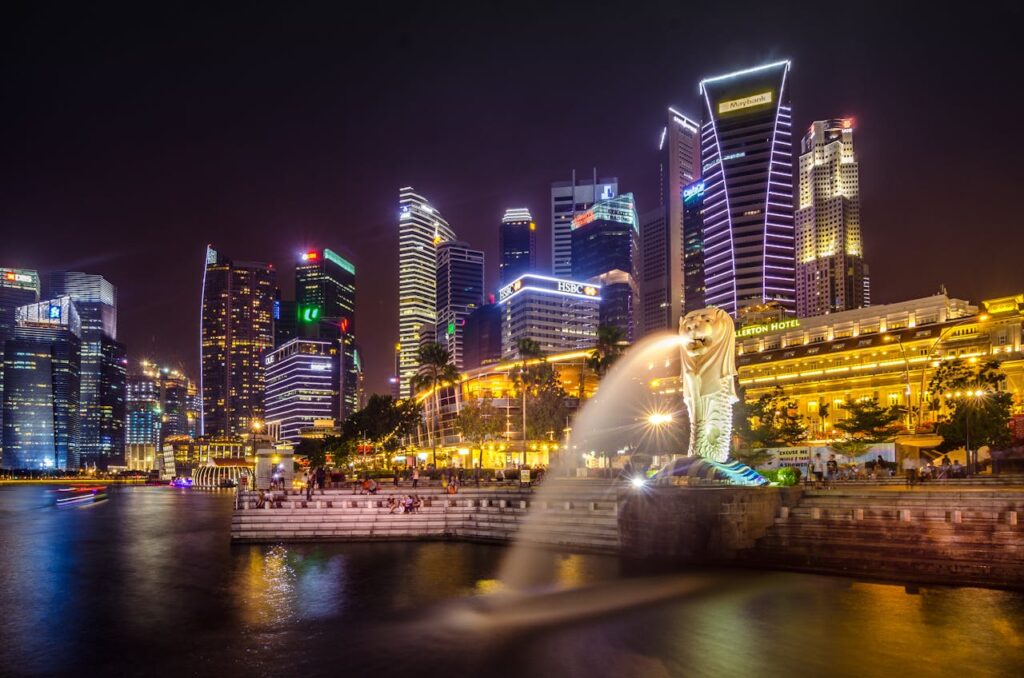
This guide is for European travellers planning their first or return visit to Singapore who need clear orientation on neighbourhoods, transport and local character. Choosing where to stay in Singapore shapes how you experience the city: proximity to iconic sights, ease of moving around by public transport, and the kind of urban rhythm you prefer.
Quick pick: which Singapore area fits your trip?
For a first visit, choose the daily experience you want rather than a hotel name alone. Check the exact station and walking route for any property before booking.
| Area | Best fit | Main trade-off |
|---|---|---|
| Marina Bay and Civic District | Landmarks, museums and waterfront walks | More polished, often pricier accommodation |
| Orchard and River Valley | Central transport, shopping and a comfortable base | Less neighbourhood character on the main boulevard |
| Bugis and Kampong Glam | Food, culture and active streets | Check the specific street for evening noise |
| Chinatown | Heritage streets and hawker dining | Busy pedestrian areas at peak times |
| Clarke Quay and Riverside | Nightlife and river walks | Late-night noise near entertainment venues |
| Tiong Bahru | Quieter local cafés and slower mornings | Fewer large hotels and a transit ride to landmarks |
| Sentosa | Resort stays and family attractions | More time needed for city-centre visits |
Understanding Singapore’s layout: districts and transport links
Singapore is compact and well connected. The central area — stretching from Marina Bay and the Civic District through Orchard to Bugis and the riverside — concentrates major attractions, museums and shopping. The island’s MRT (metro) network radiates from this core, with frequent services and predictable timetables. For Europeans used to walking cities, most central districts are easy to explore on foot for a day’s sightseeing, while the MRT closes gaps for longer cross-city trips.
Marina Bay and Downtown: luxury, views and landmark access
Marina Bay and the adjacent Downtown Core are the face of modern Singapore: skyline vistas, world-class museums and Gardens by the Bay. This area suits travellers who prioritise iconic sights, evening promenades and a polished, urban atmosphere. It is highly walkable along waterfront promenades and is served by several MRT stations that link quickly to the rest of the city. For accommodation trade-offs in this district, see our Marina Bay stay guide.
Orchard and Civic District: shopping, centrality and convenient stays
Orchard Road is the city’s main shopping avenue and an easy base for stays centred on convenience. It offers direct MRT access to other central nodes, plentiful dining, and a straightforward layout for orientation. The Civic District, including Fort Canning and the Esplanade, places cultural venues — theatres, galleries and colonial architecture — within short walks. For a stay that balances sightseeing with an easy urban routine, these districts are logical choices.
Riverside and Clarke Quay: nightlife, river walks and day-to-night energy
The Singapore River corridor — from Robertson Quay through Clarke Quay to Boat Quay — combines daytime cafés, evening dining and riverside strolls. It’s a compact area where you can start the day at a museum or market and end it at a lively bar or a quiet night-time river walk. Public transport links are frequent and taxi options are plentiful if you move later in the evening. If nightlife is the priority, compare specific streets in our Clarke Quay guide.
Chinatown, Little India and Kampong Glam: culture, markets and boutique stays
For travellers seeking a stronger sense of local life and cultural texture, the ethnic enclaves of Chinatown, Little India and Kampong Glam reward on-foot exploration. Narrow streets, markets, temples and independent cafés create a layered urban experience. Accommodation here ranges from restored shophouse hotels to boutique guesthouses, placing you within reach of authentic neighbourhood dining and short MRT rides to central attractions.
Sentosa and HarbourFront: resort island and family-friendly options
Sentosa is Singapore’s resort island, reached via a short MRT and cable-car or on-foot across a pedestrian bridge from HarbourFront. It is quieter in terms of urban bustle and offers green space, beaches and attractions clustered in one place. Families and travellers seeking a more relaxed tempo often choose this area, trading a little distance from downtown for a more resort-like environment and easy access to coastal recreation.
Tiong Bahru, Jalan Besar and Joo Chiat: local cafés, design hotels and slower mornings
Neighbourhoods such as Tiong Bahru and Joo Chiat present a quieter, residential side of Singapore: heritage architecture, independent bakeries and a slower morning pace. These districts suit travellers who value strolling local streets, visiting bookshops and discovering craft coffee. They remain connected to central Singapore by MRT or bus, so you can pair calm neighbourhood mornings with midday sightseeing. Our Tiong Bahru neighbourhood guide goes deeper on that quieter option.
If train access is your deciding factor, use our guide to stays near Singapore MRT stations as a checklist for location and station access.
Practical travel tips
- Use the MRT for most journeys: it is fast, air-conditioned and covers the city’s main sights; plan routes in advance to minimise transfers.
- Walk where you can: central districts are compact and pleasant on foot in the early morning or evening when temperatures are milder.
- Expect tropical weather: light, breathable clothing and a compact umbrella are useful year-round; indoor spaces are strongly air-conditioned.
- Local norms: Singapore emphasises public cleanliness and order; observe signage and local rules (for example in public transport and eating areas).
- Night travel: taxis and ride-hailing services are widely available after MRT hours; central nightlife areas remain accessible and safe, but plan your return route if you’re staying farther out.
- Time your sightseeing: outdoor attractions are best early morning or late afternoon to avoid the midday heat and enjoy softer light for photos.
- Luggage logistics: if you plan short stays in multiple neighbourhoods, consider serviced apartments or luggage-friendly hotels with storage options.
FAQs
Which area is best for first-time visitors?
Central districts — Marina Bay, Orchard, the Civic District and the riverside — are easiest for first-timers because they concentrate major sights, have plentiful transport links and offer a range of dining and museum options within short distances.
Is Singapore walkable and safe for evening strolls?
Yes. Singapore’s central areas are generally safe and well lit. Many attractions are designed for evening visits, with waterfront promenades and outdoor dining. Basic precautions for any city — keeping valuables secure and knowing your route back — remain sensible.
How do I balance luxury and local experience?
Split your stay between a central, landmark area for a night or two and a smaller, characterful neighbourhood such as Tiong Bahru or Kampong Glam to experience local cafés, markets and quieter streets.
Can I rely on public transport late at night?
The MRT runs for much of the day but stops around midnight; buses and taxis cover later hours. In central zones taxis and ride-hailing are easy to find for late returns.
Are neighbourhoods family-friendly?
Yes. Sentosa and HarbourFront cater to families with open spaces and attractions, while central districts offer nearby parks, museums and easy transport for child-friendly itineraries.
Conclusion
Choosing where to stay in Singapore depends on the balance you want between sights, comfort and local texture. Central districts offer immediate access to landmarks and efficient transport, while smaller neighbourhoods provide quieter mornings and a more intimate sense of place. Understanding the city’s layout and transport options will help you select a base that matches your travel rhythm and the experiences you value.