Introduction: A Softer Side of Thailand for European Travellers
Koh Phangan has a reputation for full-moon parties, yet away from the beaches of neon paint and late nights, the island has quietly evolved into one of Thailand’s most grounded destinations for yoga, detox and long, unhurried wellness stays. For European travellers seeking a slower rhythm than Phuket or Koh Samui, a koh phangan wellness retreat offers a restorative counterpart to busy city stops and long-haul flights.
Many visitors now pair a few days in Bangkok’s dynamic neighbourhoods – choosing their base with care, as outlined in this orientation-led guide to where to stay in the Thai capital – with a week or more of yoga, swimming and simple island routines on Koh Phangan. The contrast between urban energy and island calm can be especially appealing when travelling from Europe’s cities.
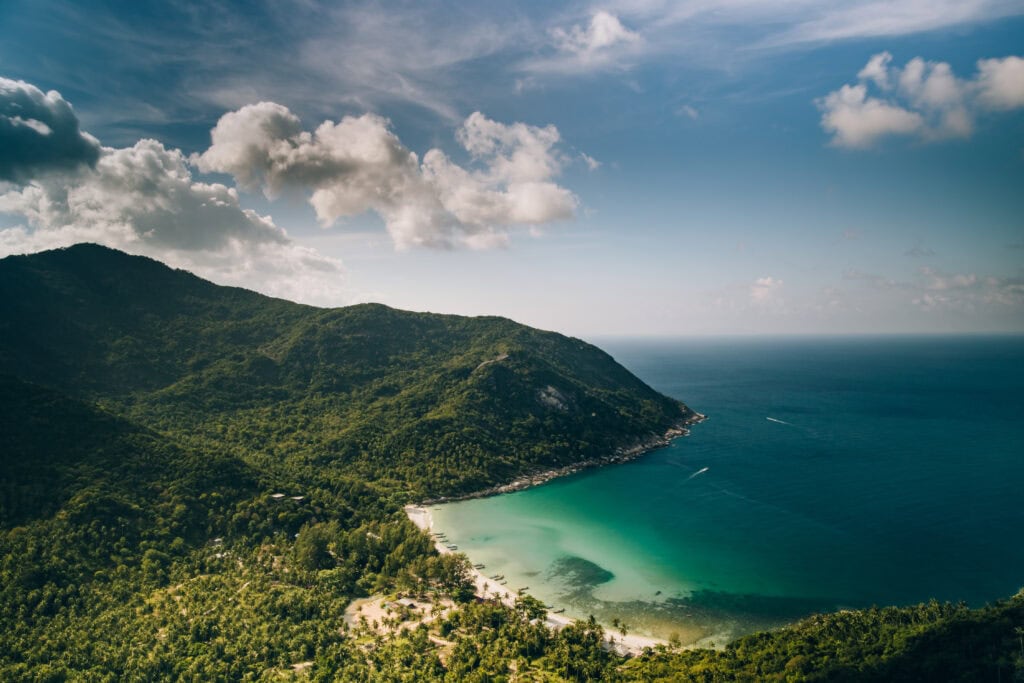
Geographically, Koh Phangan sits in the Gulf of Thailand, north of Koh Samui, reached by ferry and known for its jungle interior, coral-fringed bays and a laid-back, international wellness community that tends to stay longer, rise earlier and move more slowly than the party headlines suggest.
Why Koh Phangan Works So Well for Wellness-Focused Travel
What sets Koh Phangan apart for wellness stays is not just the number of retreats, but how the island’s geography and rhythm support a slower lifestyle. The western and north-western coasts catch soft sunsets and are protected from stronger winds for much of the year, creating calm seas for morning swims. Hills rise quickly from the shoreline, so many retreat centres sit slightly elevated, with breezes that cool naturally and views that stretch over the Gulf of Thailand.
The island is compact enough that you can cross from west to east in under an hour, yet pockets of coastline feel distinctly different. Areas associated with yoga retreat koh phangan experiences, such as Sri Thanu and Hin Kong, lean towards vegetarian cafés, barefoot cafés and small, quiet beaches rather than nightlife. Street noise is limited mainly to scooters and the occasional songthaew (shared pick-up taxi), which makes early sleep and sunrise practice more realistic than in busier Thai beach towns.
For European visitors dealing with jet lag, this natural rhythm is helpful. It becomes easy to align your day to daylight: sunrise yoga, late-morning swims, slower afternoons under palm trees and early nights. The island’s informal dress code, which stays relaxed but modest around villages and temples, also encourages a more grounded, less performative approach to wellness than some highly stylised beach resorts elsewhere in Asia.
Yoga Retreat Koh Phangan: Areas, Atmosphere and Styles
Yoga retreat koh phangan stays are clustered primarily along the west coast, where the shore forms a sequence of bays and mangroves. Sri Thanu has become the centre of the island’s yoga and conscious living community, with shalas tucked into coconut groves and small streets lined with simple studios, plant-based cafés and herbal shops. The atmosphere is calm and international, with many long-stay residents from Europe who return each winter, giving the village a familiar feel despite the tropical setting.
Most yoga offerings here range from gentle hatha and yin to more dynamic vinyasa and ashtanga, with additional practices such as breathwork and meditation commonly woven into weekly schedules. Many retreats offer structured programmes that include two daily classes, vegetarian meals and time for rest, but drop-in classes are widely available for travellers who prefer informal stays in nearby guesthouses.
Further south, the Hin Kong and Wok Tum stretch is quieter, with fewer village services but beautiful tidal flats and sunsets. Retreats here often emphasise immersion in nature: open-air shalas facing the sea, shaded decks for meditation and simple walks along the coastline between classes. This area suits travellers who want to keep social life gentle and focused on shared practice rather than nightlife.
On the east side of the island, accessible by steep roads or by boat in some seasons, more secluded yoga spaces combine forest and sea views, offering an almost off-grid feeling. These locations are appealing if you value distance from shops, bars and busy roads, but you should be comfortable with limited amenities and steeper access routes.
Detox Retreat Thailand: Koh Phangan’s Gentle Approach to Cleansing
Alongside yoga, Koh Phangan has become a reference point for those considering a detox retreat Thailand experience. The island’s climate, fresh produce and relatively slow pace lend themselves to gentle cleansing programmes that focus on nourishment rather than extremes.
Many detox retreat centres blend Thai and international approaches: fresh tropical fruit, light soups and broths, herbal teas and optional fasting periods guided by staff who are used to working with jet-lagged visitors. Because European travellers often arrive after long flights and sometimes a busy city stop abroad, detox plans here tend to offer softer on-ramps, with introductory consultations, gradual dietary adjustments and optional add-ons such as gentle yoga, sauna sessions or simple body treatments.
Areas around Srithanu and the wider west coast host several detox-focused wellness spaces, where menus highlight locally grown vegetables, coconuts and herbs. The walking environment supports the process – most centres sit within a short stroll of the sea, allowing for light movement between meals or juice servings. Evening routines are usually quiet, with herbal tonics or teas replacing alcohol and late nights.
It is worth understanding that detox in Thailand is framed less as a dramatic break and more as a chance to simplify. While some programmes do involve stricter protocols, Koh Phangan’s overall culture encourages listening to the body, adapting intensity to your energy levels and taking rest seriously. This makes it well suited to travellers who want to reset without pushing their limits in heat and humidity.
Wellness Stays Koh Phangan: Choosing the Right Part of the Island
Wellness stays koh phangan experiences vary quite widely depending on which coastline you choose. For most visitors with a health focus, the west and northwest remain the most practical options, balancing tranquillity, accessibility and services.
On the west, between Thong Sala (the main pier town) and Chao Phao, you will find the highest concentration of wellness stays. Thong Sala itself is functional rather than atmospheric but useful for pharmacies, ATMs and simple eateries; it is not where most retreats are based, but you may pass through frequently. North of Thong Sala, places like Nai Wok, Wok Tum and Hin Kong transition quickly to a more relaxed vibe with pockets of mangroves and waterfront cafés that cater to long stays.
Further north again, Sri Thanu and Haad Chao Phao have a village-like feeling, with most everyday needs within a short walk or scooter ride: organic markets, small spas, laundry services and refill stations for drinking water. Paths are walkable in the cooler hours of the day, though pavements can be intermittent, so sandals with good grip are sensible.
For those who prefer quieter, more secluded stays, the northern beaches such as Haad Salad and Haad Yao offer gentle slopes into clear water, ideal for leisurely swimming and snorkelling between classes or treatments. Roads here are a little steeper, but you remain within reasonable driving distance of the main wellness hubs, allowing for flexibility between structured retreat days and independent slow-living days exploring cafés or viewpoints.
Daily Rhythm: Slow Island Days and Simple Pleasures
A koh phangan wellness retreat is as much about how you spend unstructured hours as it is about formal classes and programmes. Days often begin early, before temperatures rise. Morning yoga practice, a swim or a simple walk along the beach can all fit comfortably into the first two hours after sunrise, when the island is quiet and the light is soft.
Late mornings tend to be devoted to breakfast and rest. Many travellers settle into a simple cadence: reading on shaded terraces, journalling, or enjoying unhurried conversations in cafés that double as informal community hubs. Internet connectivity is generally reliable around the main wellness villages, making it possible to stay loosely connected with home without allowing work to dominate.
Afternoons are typically the warmest part of the day, when slower movement is most comfortable. It is a good time for restorative or yin yoga sessions, massages, or simply lying in a hammock, listening to cicadas and occasional scooters in the distance. Tropical rainfall, when it comes, often passes quickly and can add to the feeling of being briefly cocooned.
Evenings fall quickly in the tropics. Sunsets on the west coast can become a quiet daily ritual: locals and visitors gather, often barefoot, along the sand or on simple sea walls to watch the colours deepen over the Gulf. Nights are generally calm away from the party beaches, with most wellness-focused travellers heading to sleep early, aided by the ambient sounds of waves, geckos and the jungle.
Getting There and Getting Around: Practical Orientation
Reaching Koh Phangan from Europe usually involves a long-haul flight to Bangkok or another Asian hub, then a domestic flight to nearby Koh Samui or the mainland town of Surat Thani, followed by a ferry to the island. The final sea crossing sets a slower tone: as you approach, the island’s inland hills and coconut forests become visible, giving a clear sense of scale.
The main pier at Thong Sala is the arrival point for most ferries. From here, shared taxis (songthaews) and private transfers run along the coastal roads. For wellness-focused travellers, most retreat centres provide clear directions and will often coordinate pick-up from the pier, which can be helpful after a long journey.
Once on the island, distances are modest but roads can be steep and occasionally potholed. Many longer-stay visitors rent scooters; however, this requires confidence, appropriate travel insurance and familiarity with left-hand traffic. For those who prefer not to ride, songthaews can be flagged on the main roads during daylight hours. Walking is feasible within villages and along short stretches of coast, but heat and limited pavements mean that good footwear, sun protection and awareness of traffic are important.
Because much of the wellness community is concentrated in a few coastal pockets, you may find that your day-to-day movements are limited to a small radius – beach, retreat centre, café, and perhaps an occasional trip into Thong Sala for practical errands. This contained geography supports the sense of retreat, allowing you to feel far from home without necessarily being far from basic services.
Practical Travel Tips for Koh Phangan Wellness Retreats
- Plan your arrival to avoid the latest ferries, as island roads are easier to navigate and taxis simpler to arrange before dark, especially if you are tired from a long-haul flight.
- Pack light, breathable clothing that covers shoulders and knees for visits to temples or local villages; swimwear is best kept to beaches and retreat pools.
- Consider a soft-sided bag rather than a rigid suitcase; paths to some wellness stays koh phangan options may involve sandy tracks or short, uneven walks.
- Use mosquito repellent, particularly at dawn and dusk, and consider long, loose trousers or skirts for evening classes in open-air shalas.
- Stay hydrated with safe drinking water; refill stations around Sri Thanu and Thong Sala make it easy to reduce plastic waste if you bring a reusable bottle.
- Allow a buffer day on either side of an intensive detox retreat Thailand programme to acclimatise to the climate and time zone before starting, and to gently reintroduce a normal diet at the end.
- Respect local norms by keeping noise levels low at night, especially near villages, and removing shoes when entering indoor practice spaces or private homes.
- During the wetter months, expect occasional downpours; a light rain jacket or quick-drying shawl is useful when moving between your room, yoga spaces and dining areas.
- If you are sensitive to heat, choose accommodation with good natural ventilation or fans and consider earlier morning activities to avoid midday sun.
- Carry small denominations of Thai baht for local transport, coconuts, markets and occasional donations at island temples.
FAQs About Koh Phangan Wellness Retreats
Is Koh Phangan suitable for a first-time wellness retreat in Thailand?
Yes, Koh Phangan is one of the gentlest introductions to wellness travel in Thailand. The island combines an established yoga and detox infrastructure with a relaxed, international community, making it easy for first-time visitors to find grounding routines, English-speaking teachers and a supportive environment.
Which area is best for a yoga retreat Koh Phangan experience?
The west coast around Sri Thanu is considered the main hub for yoga retreat koh phangan stays, thanks to its concentration of shalas, vegetarian cafés and calm bays. Nearby Hin Kong and Chao Phao offer quieter options within easy reach of classes and community events.
What should I expect from a detox retreat Thailand stay on Koh Phangan?
Most detox retreats on Koh Phangan emphasise gentle cleansing rather than extreme regimes. Expect light, plant-based meals or juices, herbal teas, guidance from staff accustomed to international visitors, and optional practices such as yoga, meditation and sauna or steam sessions to support the process.
Do I need to be experienced in yoga to join a koh phangan wellness retreat?
No, many retreats cater to mixed levels and offer foundational classes suitable for beginners. It can be helpful to inform your chosen retreat of your experience level, any injuries and personal intentions so they can suggest appropriate classes and modifications.
How long should I stay on Koh Phangan for a meaningful wellness break?
A minimum of one week allows time to adjust to the climate, recover from jet lag and settle into a daily rhythm of practice and rest. Many European travellers choose to stay two weeks or longer, using the island as a base for sustained slow living after shorter city visits elsewhere in Thailand.
Conclusion: A Calm Counterpoint to Thailand’s Busier Shores
Koh Phangan offers a distinct face of Thailand: an island where wellness is woven into daily life rather than treated as a separate niche. Yoga retreats, gentle detox programmes and unhurried routines align naturally with the island’s scale and landscape, providing European travellers with a considered space to slow down after long journeys and busy urban stops.
The trade-offs are straightforward: fewer big-city conveniences, steeper roads and a focus on early mornings instead of late nights. In return, you gain time measured by tides, sunrises and the quiet cadence of practice, with enough structure to feel held and enough freedom to let your days unfold at an unforced, island pace.
Recommended next:
- Thailand Itinerary 10 Days: Bangkok, Chiang Mai & Islands for First-Timers
- Thailand Itinerary 14 Days: Classic Route with Beaches and Northern Culture
- Thailand in 7 Days: Bangkok + One Beach Base (No Rushing)
- Best Time to Visit Thailand: Month-by-Month Weather for Europeans
- Thailand Travel Costs: Realistic Daily Budget for European Travelers
- Thailand Travel Insurance Guide: What to Cover and What to Skip
- More in Thailand →