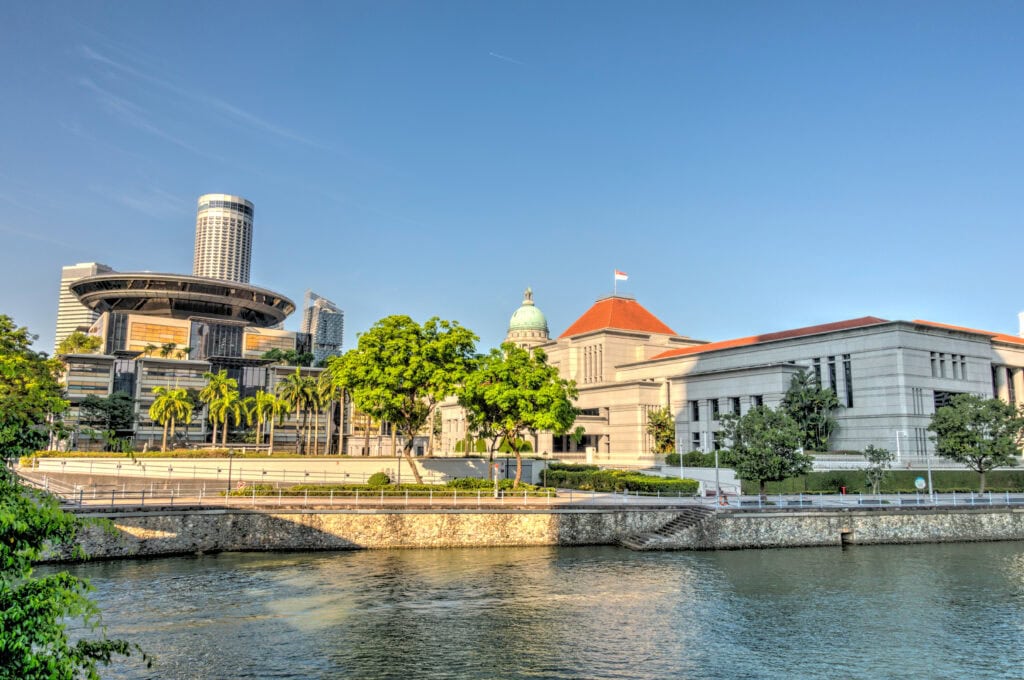
Design-Led Hotels in Singapore for European Travellers
This guide is for European travellers who are as interested in architectural character and interiors as they are in comfort, looking for design hotels in Singapore that feel considered, expressive and rooted in place. Across the compact city-state, a cluster of creative hotels now pair modern design language with tropical practicality and a strong sense of context.
Set at the crossroads of Southeast Asia, Singapore combines dense urbanism with lush greenery, making it an intriguing citywide canvas for contemporary architecture, from sculptural high-rises to restored shophouses; for a broader perspective on upscale properties, the overview of best luxury hotels in Singapore offers useful orientation. In urban terms, the city is a tight mosaic: Marina Bay’s skyline, the historic shophouse districts, and residential quarters such as Tiong Bahru and the River Valley fringe all sit within a short taxi ride of one another.
Choosing a design-led base here is less about proximity to a single sight and more about which architectural story you want to inhabit: a glass-and-steel statement tower, a sensitive shophouse conversion, or a quietly composed modern design stay shaded by tropical greenery.
Understanding Singapore’s Architectural Hotel Landscape
Architectural hotels in Singapore tend to cluster around a few distinct urban typologies. In Marina Bay and the Central Business District, international architecture firms have created sculptural towers that play with the skyline, often pairing glass and steel with dramatic atria, sky gardens and rooftop pools. These buildings suit travellers who enjoy bold contemporary lines, panoramic views and the sense of staying within a piece of city infrastructure.
Move towards Chinatown, Kampong Glam, Little India or Tiong Bahru and the character changes. Here, creative hotels often inhabit conserved shophouses or low-rise blocks from the 1920s to 1960s, with narrow frontages, internal courtyards and tiled walkways. The design focus shifts to craftsmanship, layered textures and the dialogue between old shell and new interventions. These areas lend themselves to slower, more walkable stays with strong neighbourhood identity.
On Orchard Road and its fringes, many modern design stays present a calmer counterpoint to the shopping district outside: pared-back rooms, muted palettes and clever use of light and greenery to soften dense surroundings. For European visitors, the key decision is how intensely urban they want their environment to feel, and whether they define architectural character by skyline drama or by intimacy of detail.
Skyline Icons and Modern Design Stays in Marina Bay and the CBD
For travellers intrigued by expressive contemporary architecture, Marina Bay and the Central Business District gather some of the most recognisable design hotels Singapore has to offer. Here, towers come with pronounced silhouettes, complex facades and elevated public spaces that frame views of the bay, the river or the city grid.
Architecturally, these hotels often feature double- or triple-height lobbies, internal sky bridges, and landscaping woven into the vertical structure. The interplay of glass, steel and water, together with dramatic lighting schemes, creates a sense of theatricality that appeals to guests who enjoy overtly modern design. Interiors usually lean towards clean lines and generous glazing, with local references tucked into artwork, materials or curated libraries rather than overt theming.
From a practical perspective, this part of Singapore is well suited to short city breaks. Marina Bay and the CBD are well connected through multiple MRT lines, and walking routes along the waterfront and through underground malls make it easy to move between cultural institutions, dining and gardens, even in humid conditions. The trade-off is that, outside office hours, the immediate streets can feel more corporate than residential, so the city’s lived-in neighbourhoods are better explored by short metro or taxi hops.
Shophouse Conversions and Heritage-Focused Creative Hotels
Many of the most atmospheric architectural hotels in Singapore occupy historic shophouses and pre-war buildings in districts such as Chinatown, Kampong Glam and Little India. These conversions are particularly appealing to European travellers who value layered history and intimate urban fabric. Architecturally, they work with long, narrow footprints, five-foot ways (covered walkways), inner courtyards and traditional timber shutters, weaving contemporary design into existing structures.
Inside, creative hotels often highlight original timber beams, exposed brick or patterned tiles, contrasting them with sculptural lighting and custom-made furniture. Courtyards and air wells become vertical light wells, drawing daylight into compact plots and creating microclimates that work with the tropical setting. Many public spaces blur the line between lobby, café and gallery, giving the sense of staying in a small civic space rather than a conventional hotel.
These heritage districts are excellent for walkability and atmosphere. Streets are lined with independent shops, temples, small museums and eateries, with MRT stations usually within a few minutes’ walk. Rooms in shophouse conversions can be more compact than in tower hotels, and layouts occasionally eccentric, a natural by-product of adapting older structures. This is part of the appeal for design-focused guests but worth noting for travellers who prefer traditional room formats.
Residential Calm: Design Hotels in Tiong Bahru and City-Fringe Neighbourhoods
Beyond the main central districts, several creative hotels are dotted around residential areas such as Tiong Bahru, Robertson Quay and the fringes of Orchard Road. These neighbourhoods tend to attract guests who prefer quieter surroundings and a more domestic, lived-in feel, while still remaining within easy reach of the city’s main sights.
Tiong Bahru, with its distinctive early public housing blocks, curves of Art Deco-inspired architecture and low-rise profile, has become a locus for thoughtful, neighbourhood-scale hospitality. Design-led stays here typically echo the area’s geometry and soft colour palette, integrating terrazzo, curved corners and simple, functional layouts. Public spaces are often intertwined with cafés and small shops, embedding the hotel more deeply into local daily life.
Along the river near Robertson Quay and in side streets near Orchard Road, modern design hotels often adopt minimalistic, almost gallery-like interiors with considered use of natural light, mirrors and greenery to create calm, contemplative spaces. These are suitable for travellers planning longer stays or slower itineraries, balancing cultural exploration with time for reading, work or rest. To understand how these neighbourhoods compare with more central options, you may find this broader look at Singapore’s main areas to stay a useful orientation tool.
Interiors: Tropical Modernism, Materials and Light
Across the city, Singapore’s design hotels share a common challenge: reconciling a hot, humid, equatorial climate with contemporary architecture. Many of the most interesting interiors are modernist in ethos but adapted for the tropics, using deep overhangs, screens, layered blinds and internal courtyards to mitigate direct sun while admitting light and air.
Materials play a crucial role. Stone, terrazzo and tiled floors help keep interiors cool underfoot, while timber, rattan and woven textiles introduce tactility and warmth. Colour palettes skew either towards calm neutrals with muted greens and blues, or towards deeper jewel tones that respond well to evening light and moody bar interiors. Lighting is often layered, shifting from bright, functional tones during the day to lower, more atmospheric levels at night, which can significantly change the experience of the same space.
For European travellers used to seasonal climates, these interiors can feel at once familiar in their design language and distinctly tropical in execution. Balconies, planters, and indoor-outdoor transitions are treated not as afterthoughts but as key components of the architectural concept, reinforcing the sense of place. In many properties, art curation also reflects Singapore’s role as a regional hub, blending local and Southeast Asian works into corridors and lounges, effectively turning circulation routes into small galleries.
Choosing the Right Design Hotel Neighbourhood
Although Singapore is compact, each cluster of design hotels comes with its own rhythm and trade-offs. For first-time visitors, the Marina Bay and CBD area offers instant orientation via the skyline, with quick access to major museums, Gardens by the Bay and waterfront promenades. The architecture here is overtly contemporary, and staying in this area means you are inside the very image many people hold of Singapore.
Those returning to the city, or looking for more intimate creative hotels, often gravitate towards Chinatown, Tiong Bahru or the riverside. These neighbourhoods suit travellers who prioritise café culture, independent shops and street-level exploration over dramatic views. The architecture is more human-scale, and conservation guidelines ensure that historic character remains visible, even as interiors become increasingly design-forward.
Orchard Road and its surroundings are convenient for visitors curious about retail architecture and vertical malls but who still want access to green spaces such as the Botanic Gardens. Here, modern design stays tend to function as calm refuges from surrounding activity. Understanding how each of these areas fits together can be helped by reading an overview of Singapore’s refined hotel options, which contextualises high-end properties within their locations and ambience.
Practical Travel Tips for Enjoying Design Hotels in Singapore
Use the MRT for cross-city hops: When staying in Marina Bay, the CBD or Orchard, the MRT network places most neighbourhoods within 15–25 minutes, making it easy to sleep in one architectural setting and explore another by day.
Plan around the heat and humidity: For design hotels with extensive outdoor spaces or rooftop terraces, morning and late evening are the most comfortable times to fully appreciate the architecture and views.
Walk short, ride long: In compact historic districts such as Chinatown or Tiong Bahru, walking is rewarding, but for longer distances between quarters it is more comfortable to rely on taxis or ride-hailing, given the climate.
Look for shaded routes: Many central areas feature arcades, covered walkways and underground passages linking malls and transport hubs, particularly around Marina Bay and Orchard; these routes make architectural exploration more pleasant at midday.
Respect residential calm: Some smaller creative hotels in shophouse or residential blocks sit within quiet streets; keeping noise low in corridors and outdoor terraces late at night is appreciated locally.
Dress codes are generally relaxed: While public areas in upmarket properties can feel polished, smart-casual attire is usually appropriate; extremely casual beachwear is better reserved for pool decks rather than lobbies.
Consider room orientation: In tower hotels, rooms facing the bay or river often emphasise the architectural concept, while in shophouse conversions, inward-facing rooms can be quieter and highlight internal courtyards.
Factor in check-in timing with flights: Many European flights arrive early; if architecture matters to you, using any waiting time to explore public spaces, lobbies and nearby streets can be unexpectedly rewarding.
FAQs about Design Hotels in Singapore
Are design hotels in Singapore mainly located in Marina Bay?
While Marina Bay and the CBD host several skyline-defining properties, many of Singapore’s most characterful design hotels are in heritage districts such as Chinatown and Kampong Glam, as well as residential neighbourhoods like Tiong Bahru and the riverside. The city’s compact size means these areas are all within easy reach of one another.
What defines an architectural hotel in Singapore compared with Europe?
Architectural hotels in Singapore often work with verticality, dense urban fabric and a humid tropical climate. You will see more emphasis on shade, cross-ventilation, indoor-outdoor transitions and integration of greenery, whereas European design hotels may focus more on insulating against cold and maximising low-angle light. The result is a distinct version of modernism adapted to equatorial conditions.
Are modern design stays in Singapore suitable for families?
Many modern design stays in Singapore do welcome families, but the experience varies. Larger tower hotels commonly offer more spacious rooms and facilities such as pools with broad decks, while smaller creative hotels in shophouses can have more compact layouts and fewer child-focused amenities. Families who prioritise space may prefer tower-style properties in Marina Bay, the CBD or along Orchard Road.
Is it worth staying in a shophouse conversion instead of a tower hotel?
Staying in a shophouse conversion offers closer engagement with historic streetscapes and neighbourhood life, as well as more idiosyncratic architecture and interiors. Tower hotels, by contrast, provide expansive views, generous public spaces and sometimes more extensive facilities. The choice depends on whether you value intimate architectural detail and locality over skyline drama and scale.
How many nights are ideal for exploring Singapore’s creative hotels?
With three to four nights, many visitors find they can experience at least two different architectural environments, such as combining a stay in Marina Bay or the CBD with time in a heritage or residential neighbourhood. The city’s compactness and efficient transport make it easy to explore additional areas even if you remain based in a single design hotel.
Conclusion
Singapore’s design-led hotels span expressive towers, carefully restored shophouses and discreet modern refuges in residential districts, giving European travellers a range of architectural narratives to inhabit. The trade-off is often between scale and intimacy, skyline impact and neighbourhood depth, but across the city the standard of design and attention to climate-appropriate detail remains consistently high. Choosing where to stay is less about finding a single “best” area and more about deciding which version of Singapore’s architecture you want as your daily backdrop.
Recommended next:
- Where to Stay in Singapore CBD for Business and Leisure
- Best Boutique Hotels in Singapore for Design Lovers
- Luxury Hotels near Singapore MRT Stations
- Best Rooftop Pool Hotels in Singapore
- Best Areas to Stay in Singapore Without Breaking the Bank
- Where to Stay in Singapore for First-Timers: Simple Area Guide
- More in Singapore →