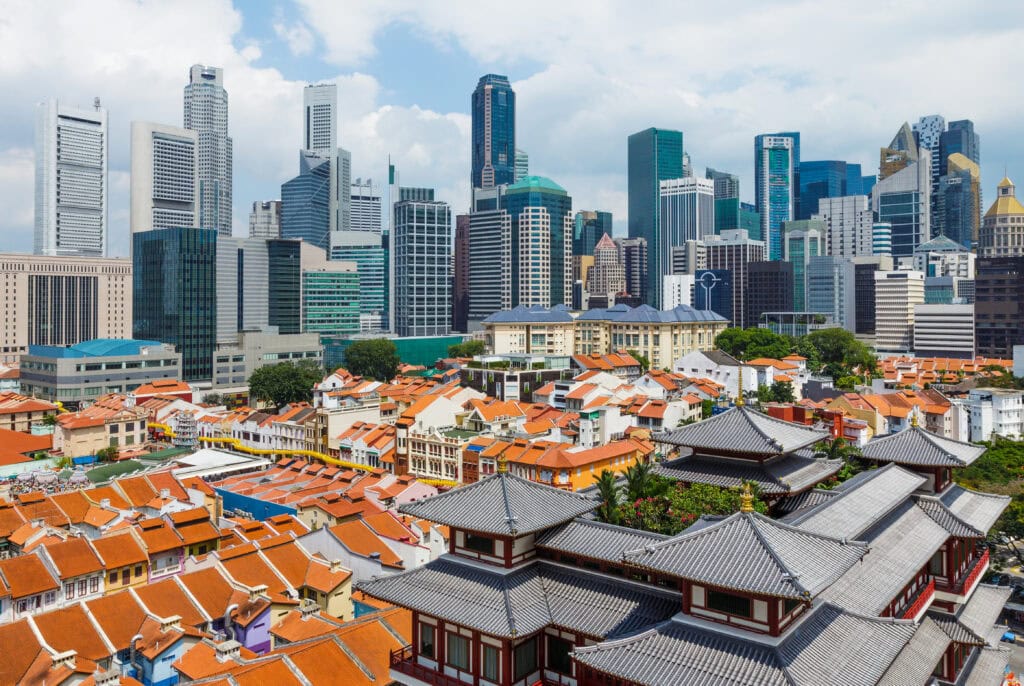
Staying in Chinatown Singapore for Culture and Heritage
For European travellers drawn to history, architecture and lived-in neighbourhoods, Chinatown is one of the most rewarding areas to stay in Singapore. Choosing Chinatown hotels Singapore is less about skyline views and more about being immersed in a compact heritage quarter that still feels distinctly local.
Chinatown sits just southwest of the modern Central Business District, within walking distance of the Singapore River and a short MRT hop from Marina Bay; it is one of the most atmospheric heritage districts Singapore has preserved. For a wider overview of how Chinatown compares with other neighbourhoods, it is worth first exploring the broader area guide to staying in Singapore, then returning here to focus on this specific enclave.
This guide looks at where to stay in Chinatown through the lens of heritage and local character: which streets feel most historic, how traditional shophouses have been converted into boutique stays, and how to balance culture with comfort and transport convenience.
Why Choose Chinatown for a Heritage-Focused Stay
Chinatown is one of the few places in Singapore where historic low-rise streetscapes dominate rather than glass towers. Rows of pastel shophouses with intricate facades, decorative shutters and five-foot ways frame much of the district, and many have been carefully restored as small-scale Chinatown accommodation Singapore options.
For visitors coming from Europe, the appeal lies in the contrast: Chinese clan houses beside Hindu temples, a mosque minaret visible above terracotta roofs, and a street network that still follows early 19th-century planning. It is an ideal base for travellers who prefer to walk, observe and absorb local rhythms rather than focus on malls and mega-attractions.
The neighbourhood is also compact and easy to navigate. Distances are short, pavements are generally well maintained, and you can move between different sub-areas—Telok Ayer, Ann Siang, Pagoda Street and Keong Saik—within minutes on foot, each with its own distinct character.
Understanding Chinatown’s Micro-Neighbourhoods
Although often grouped under a single label, Chinatown is actually made up of several micro-districts, each offering a slightly different atmosphere for cultural stays.
- Telok Ayer and Amoy Street: This eastern edge is one of the most historic parts of Chinatown, with temples, clan associations and low-rise shophouses. Staying near Telok Ayer places you between Chinatown and the modern CBD, creating an interesting juxtaposition of old and new.
- Ann Siang Hill and Club Street: A small hill with preserved shophouses, leafy staircases and a village-like feel. The area blends heritage architecture, independent eateries and wine bars, making it appealing if you appreciate history but still want an urbane evening atmosphere.
- Pagoda Street and Trengganu Street: This central strip is the most recognisable “postcard” Chinatown, including souvenir stalls around the Buddha Tooth Relic Temple. It is busy by day, quieter by late evening, and offers immediate immersion in traditional streetscapes.
- Keong Saik Road and Bukit Pasoh: Once a red-light area, Keong Saik has transformed into a design-conscious street lined with carefully restored shophouses. Many of the most characterful chinatown hotels singapore sit here, blending heritage facades with considered interiors.
When comparing Chinatown accommodation Singapore, it helps to decide whether you prefer being in the thick of the tourist core around Pagoda Street or in the quieter, more design-led enclaves of Keong Saik and Bukit Pasoh.
Types of Accommodation: Heritage Shophouses and Boutique Stays
Accommodation in Chinatown tends to be intimate rather than expansive. Instead of sprawling resorts, you will find small boutique hotels, shophouse conversions and compact guesthouses that reflect the area’s historic fabric.
- Shophouse boutique hotels: These are often spread across multiple adjoining shophouses, with original facades retained and interiors reimagined. Expect high ceilings, timber beams and narrow corridors shaped by historic layouts. Room sizes can be smaller than in purpose-built towers, but character is significantly higher.
- Design-focused heritage stays: Some properties in Keong Saik and Bukit Pasoh emphasise contemporary design within older shells, using local art, patterned tiles and curated lighting to highlight architectural details.
- Contemporary mid-rise hotels at the edges: Around New Bridge Road and Eu Tong Sen Street, you will find more modern properties that offer familiar layouts while keeping you steps from the cultural core. These can suit travellers who want a sense of place without compromising as much on spaciousness.
Across these categories, the common theme is intimacy with the surrounding streets. Windows may open directly onto five-foot ways or quiet side lanes, and you are likely to step straight from your lobby into a heritage streetscape each morning.
Heritage, Temples and Everyday Culture on Your Doorstep
One of the strongest reasons to choose Chinatown for cultural stays is the proximity to religious and historic landmarks that are actively used by local communities. Rather than preserved monuments alone, many sites here remain part of daily life.
- Buddha Tooth Relic Temple: This multi-storey temple dominates the southern part of Chinatown and remains an active place of worship. Staying nearby allows you to observe rituals, chants and incense-laden courtyards from early morning.
- Sri Mariamman Temple: Singapore’s oldest Hindu temple, with a colourful gopuram visible from South Bridge Road. Visitors staying close by can easily experience its ceremonies without navigating long distances.
- Thian Hock Keng Temple in Telok Ayer: A beautifully restored Hokkien temple that predates much of the surrounding city. The temple’s refined carvings and courtyards provide a quieter counterpoint to busier streets.
Beyond temples, the local markets, clan associations and traditional medicine shops offer a window into everyday culture. You may pass elderly residents playing board games in void decks, families dining at old-school coffee shops and office workers frequenting long-standing hawker stalls during lunch breaks.
Staying in Chinatown means these experiences become part of your daily routine, rather than occasional excursions.
Connectivity, MRT Access and Exploring Wider Singapore
Despite its historic feel, Chinatown is very well connected, making it a practical base even if you plan to explore much of the city. This balance between heritage and accessibility is a key advantage compared with more isolated cultural districts in other capitals.
The main station, Chinatown MRT, sits on two lines, providing direct access to major areas without transfers. Outlying stops such as Telok Ayer and Outram Park are within walking distance from most chinatown hotels singapore, giving you multiple route options.
- To Marina Bay and the waterfront: A short MRT ride or a 20–25 minute walk brings you to the bayfront, where Singapore’s most famous skyline vistas await.
- To Orchard Road: The city’s prime shopping boulevard is a few stops away by MRT, yet feels like a different world from Chinatown’s low-rise streets.
- To Little India and Kampong Glam: Both neighbourhoods are easy to reach by public transport, allowing you to contrast Chinese, Indian and Malay-Arab heritage areas in a single trip.
If you are still comparing neighbourhoods on a city-wide level, a broader look at Singapore’s main areas to stay can help you place Chinatown within the wider urban layout before narrowing down to this district.
Atmosphere, Noise and Trade-Offs of Staying in Chinatown
While Chinatown’s charm is considerable, it is worth acknowledging the trade-offs compared with more contemporary districts. European travellers seeking tranquility above all else should weigh these aspects carefully.
Chinatown is a living, working neighbourhood, not a curated open-air museum. This means that:
- Street life is continuous: Market activity, deliveries and the hum of conversation can extend late into the evening on busier streets, particularly around the central market zones.
- Heritage buildings impose limits: Shophouse conversions often have smaller windows, thinner walls and layouts shaped by existing structures. Sound insulation may not match that of modern towers, and lifts are sometimes absent or compact.
- Space is at a premium: Rooms within historic buildings are frequently smaller than their equivalents in newer districts, especially in lower and mid categories. Storage can be more limited, and bathrooms can be compact.
In exchange, you gain immediate access to a textured, historic environment where even simple activities—buying fruit, ordering coffee, watching tai chi in a courtyard—feel deeply rooted in place. For many culturally inclined visitors, this authenticity outweighs the minor practical compromises.
Food, Nightlife and Evening Character
Chinatown is particularly compelling for travellers who like to explore a destination through its food. From simple hawker stalls to contemporary bistros, the area presents an evolving culinary landscape that still retains a strong local core.
- Hawker centres and food streets: Traditional food courts and outdoor stalls close to the main market streets remain popular with residents and office workers, offering a cross-section of local dishes in an unpretentious setting.
- Traditional coffee shops (kopitiams): Old-school venues serving kaya toast, kopi and simple rice or noodle dishes offer a gentle introduction to local breakfast culture.
- Evening options in Ann Siang and Keong Saik: These areas come alive after working hours, with wine bars, specialist cocktail venues and intimate dining rooms tucked into heritage buildings.
While there is nightlife, Chinatown’s energy is more low-rise and textural than loud or club-centric. Streets feel animated but remain easily navigable on foot, and quieter side lanes are never far away.
Practical Travel Tips for Staying in Chinatown
- Use Chinatown, Outram Park and Telok Ayer MRT stations interchangeably; one may be closer to your hotel entrance even if the names differ.
- Expect narrow pavements and occasional steps along shophouse terraces; lightweight luggage is more comfortable than large, rigid suitcases.
- Older shophouse properties may have rooms without external windows; check descriptions carefully if natural light is important to you.
- For a quieter stay, look for accommodation on side streets off Keong Saik, Bukit Pasoh or the upper parts of Ann Siang rather than directly on Pagoda Street.
- Religious sites in Chinatown have dress expectations; shoulders and knees should be covered when entering temples, and photography rules can vary.
- Evenings can be humid, and you are likely to walk a great deal; breathable clothing and comfortable sandals or trainers make exploring more pleasant.
- Many small eateries still prefer cash for very small purchases, though cards are widely accepted in larger venues; having a small amount of local currency is useful.
- If you are sensitive to incense or temple bells, consider that some hotels are very close to active places of worship; light earplugs can be helpful.
FAQs About Staying in Chinatown Singapore
Is Chinatown Singapore a good area to stay for first-time visitors?
Yes, Chinatown works well for first-time visitors who value atmosphere and history. It combines a strong sense of place with excellent MRT connections, making it easy to explore the rest of the city while returning each evening to a distinctly heritage-focused base.
How does Chinatown accommodation in Singapore compare with Marina Bay or Orchard?
Chinatown accommodation Singapore tends to be smaller in scale and more character-driven than in Marina Bay or Orchard. You trade large lobbies and expansive rooms for shophouse architecture, walkable streets and proximity to temples, markets and traditional food.
Is Chinatown noisy at night?
Certain streets, particularly around the central market area and popular nightlife spots, can be lively into the late evening. Choosing a side-street location or a property set slightly back from main roads usually results in a quieter experience, while still keeping you close to the heritage core.
Is Chinatown safe to walk around after dark?
Chinatown is generally considered safe, with a consistent presence of residents, workers and visitors even late in the evening. As in any city, standard precautions apply, but the area’s main streets and market lanes remain active and well lit.
Is Chinatown a good base for exploring other heritage districts in Singapore?
Yes, Chinatown is well placed for exploring other heritage districts Singapore is known for, such as Little India and Kampong Glam. Both are easily reached by MRT, allowing you to experience several culturally distinct neighbourhoods while staying in one central base.
Conclusion: The Appeal of Chinatown Hotels for Cultural Travellers
Staying in Chinatown places you at the heart of one of Singapore’s most layered historic districts, where religious sites, shophouses and markets coexist with a growing design and dining scene. The character of chinatown hotels singapore reflects this blend, prioritising heritage architecture and local ambience over scale and uniformity.
For European travellers who enjoy walking, observing and engaging with everyday culture, Chinatown offers a rich, nuanced experience. The trade-offs—more compact rooms, occasional street noise, and the idiosyncrasies of older buildings—are balanced by the reward of waking up within a living heritage quarter rather than viewing it from afar.
Recommended next:
- Where to Stay in Singapore CBD for Business and Leisure
- Best Boutique Hotels in Singapore for Design Lovers
- Luxury Hotels near Singapore MRT Stations
- Best Rooftop Pool Hotels in Singapore
- Best Areas to Stay in Singapore Without Breaking the Bank
- Where to Stay in Singapore for First-Timers: Simple Area Guide
- More in Singapore →