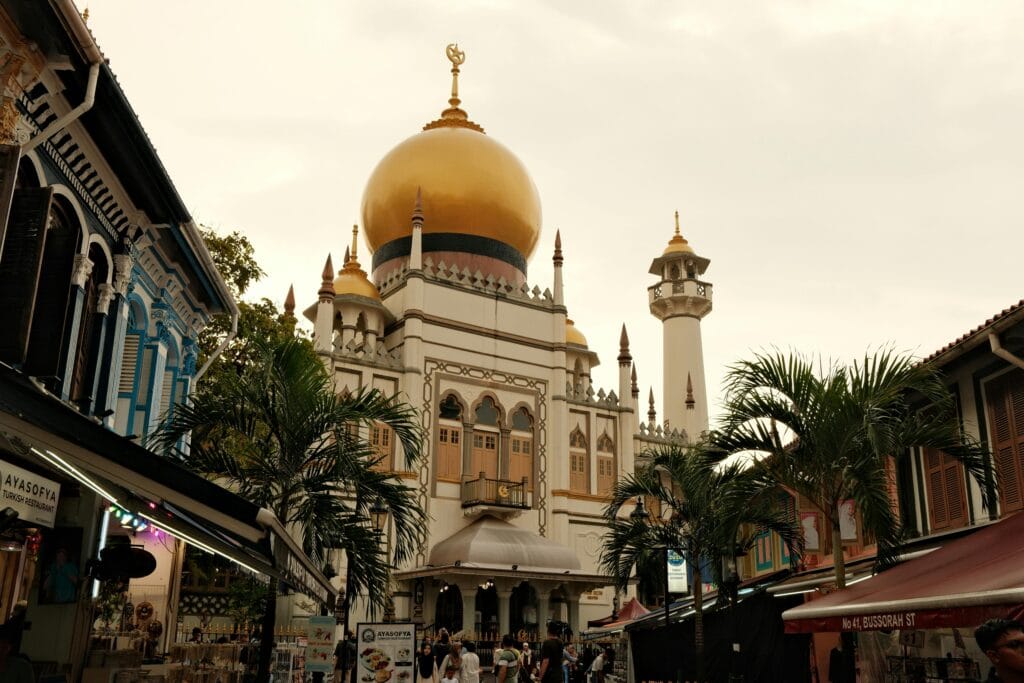
Where to Stay in Kampong Glam Singapore: A Design-Led Neighbourhood Guide
This guide is written for European travellers who enjoy staying in characterful, design-forward hotels rather than anonymous high-rises. Kampong Glam, one of Singapore’s most atmospheric historic quarters, suits visitors who want to pair cultural depth with creative interiors and a lively street scene right on the doorstep. For first-time visitors planning how Kampong Glam fits alongside Marina Bay, Orchard Road and other districts, it can be useful to first explore wider neighbourhood comparisons in a broader overview of the best areas to stay in Singapore. From there, Kampong Glam emerges as the city’s compact hub for heritage architecture, independent boutiques and design-led stays. Geographically, Kampong Glam sits just east of Singapore’s Civic District and a short walk from Bugis and the city centre, making it one of the most convenient historic areas to stay in while still feeling distinctly different from the glass-and-steel skyline.Why Kampong Glam Works for Design-Led Stays
Kampong Glam is Singapore’s Malay-Arab quarter, where low-rise shophouses in pastel hues line narrow streets around the gold-domed Sultan Mosque. For design-aware travellers, this area offers a visual richness that many newer districts lack: tiled five-foot ways, carved wooden shutters and colourful facades that become a natural backdrop to any stay. The best kampong glam boutique hotels tend to occupy restored shophouses, often retaining original architectural details while introducing contemporary interiors, curated art and subtle references to the neighbourhood’s cultural heritage. This blend of old and new is what defines the design experience here: you sleep in a historic shell, but the rooms feel current, occasionally playful and almost always photogenic. Unlike the more resort-style areas of Singapore, Kampong Glam’s hotels are generally smaller in scale. This results in intimate lobbies, personalised public spaces and, in some cases, thoughtful communal lounges ideal for digital nomads or slow travellers. The trade-off is that facilities like large pools or extensive wellness areas are rare, so the area suits guests who prioritise design, location and local character over big-hotel amenities.Haji Lane: Creative Side-Streets and Characterful Shophouse Stays
Haji Lane is one of the most recognisable streets in Kampong Glam, frequently photographed for its vivid murals, indie fashion boutiques and narrow profile. Staying close to Haji Lane appeals to travellers who enjoy being at the centre of an energetic, creative micro-neighbourhood where everything is within a few minutes’ walk. Many of the most interesting places to stay near Haji Lane are set in century-old shophouses, with layouts that naturally favour compact but atmospheric rooms. Interiors often lean into bold colour palettes, exposed brick, local artwork and thoughtful lighting, making them feel more like urban pied-à-terres than traditional hotel rooms. Sound insulation and room size can vary given the heritage structures, so this area particularly suits couples or solo travellers who value design and location over expansive floorplans. From Haji Lane, the rest of Kampong Glam unfolds on foot. Arab Street, Bussorah Street and Bali Lane are seconds away, while Bugis MRT station is within a ten-minute walk, offering direct connections across the city. The upside is exceptional walkability and a strong sense of place; the downside is that evenings can be lively, with music, chatter and cafe life spilling out onto the pavements.Arab Street and the Sultan Mosque Enclave: Heritage Views and Atmospheric Nights
Just around the corner from Haji Lane, Arab Street and the streets radiating from the Sultan Mosque form the spiritual and cultural heart of Kampong Glam. This area, with its textile shops, carpet merchants and Middle Eastern eateries, is particularly attractive for travellers who like their boutique hotels to look directly onto heritage streets rather than modern boulevards. Stays near Arab Street frequently capitalise on the view of the mosque’s gilded dome, either from rooftop terraces or upper-floor windows. Inside, the design language tends to mix Middle Eastern motifs, patterned tiles and warm tones with contemporary furnishings. The result is a quietly theatrical atmosphere, especially in the evening when lanterns and fairy lights add to the sense of place. Compared with Haji Lane, the streets around Arab Street can feel slightly calmer, especially earlier in the day, though restaurants and shisha lounges do generate a sociable buzz at night. This pocket is convenient for travellers who enjoy dining late and wandering home on foot, but those seeking very quiet nights may prefer rooms facing courtyards or side lanes rather than the main restaurant frontages.Design Styles You Can Expect in Kampong Glam Boutique Hotels
Kampong Glam’s design-led hotels generally fall into a few aesthetic families, all shaped by the constraints and possibilities of historic shophouses. Understanding these styles can help you choose where to stay in Kampong Glam Singapore in a way that matches your own design preferences.- Heritage minimalism: These properties usually emphasise original architectural features such as timber beams, plaster walls and traditional tiles, paired with clean-lined modern furniture and a restrained colour palette. Public spaces may feature curated books, ceramics or photography that reference the neighbourhood.
- Playful urban chic: Some kampong glam boutique hotels use bold colour blocking, graphic murals and statement lighting to create a youthful, Instagram-friendly feel. Rooms can be compact but cleverly planned, with built-in storage, platform beds and multi-functional furniture.
- Arabesque-inspired interiors: A smaller group leans into Kampong Glam’s Middle Eastern connections, incorporating arches, patterned textiles, brass details and intricate screens. These stays feel particularly evocative when paired with views towards the Sultan Mosque.
- Industrial-luxe conversions: In a few cases, raw textures like concrete, metal and reclaimed wood are softened by textiles and warm lighting, creating a more urban loft style within the shophouse framework.
Location, Walkability and Transport from Kampong Glam
One of the main advantages of staying in Kampong Glam is how easy it is to connect with the rest of Singapore without sacrificing a sense of neighbourhood identity. The area sits between the downtown core and the east, meaning you are rarely more than a short MRT ride or taxi journey from major sights. Most design-led stays in the area are within comfortable walking distance of at least one MRT station, typically Bugis or Nicoll Highway. From Bugis, direct lines connect you to the central business district, Chinatown and Changi Airport with one or no changes, which is particularly convenient for European travellers arriving from long-haul flights. The streets themselves are compact and eminently walkable, with shaded arcades in places and frequent cafes for breaks from the tropical heat. For visitors interested in understanding how Kampong Glam compares to other neighbourhoods from an orientation perspective, such as Marina Bay or Orchard Road, it can be useful to cross-reference broader where to stay in Singapore insights to see how journey times and atmospheres differ across the city. The main trade-off of Kampong Glam’s centrality is that it is very much an urban quarter rather than a resort environment. Green spaces are smaller and more scattered, and while the area is safe and comfortable to walk around, those seeking extensive waterfront promenades or parkland may prefer to pair a Kampong Glam stay with nights in other neighbourhoods.Who Kampong Glam Suits (and Who It Doesn’t)
Design-led stays in Kampong Glam are particularly appealing to travellers who see their hotel as part of the travel experience rather than just somewhere to sleep. If you enjoy photographing street art, browsing small design shops and lingering over coffee in independent cafes, the neighbourhood offers plenty within a few blocks of your front door. The area works especially well for:- Couples and friends: The nightlife is sociable but not overwhelming, and there is a strong cafe and restaurant scene, from Middle Eastern and Malay to modern European-inspired menus.
- Solo travellers: The walkable scale, pedestrian-friendly streets and numerous public spaces make it easy to explore alone without feeling isolated.
- Design enthusiasts: Those who appreciate architecture, interiors and visual culture will find constant interest in the contrasts between heritage shophouses and contemporary adaptations.
Cultural Context: Staying Respectfully in a Historic Malay-Arab Quarter
Kampong Glam is not only a creative hub but also a living historic Malay-Arab community with an active mosque and long-established businesses. Staying here provides an opportunity to experience this cultural tapestry at close range, but it also calls for a degree of sensitivity. During prayer times, especially around the Sultan Mosque, you may hear the call to prayer, which many visitors find atmospheric and grounding. Modest dress is appreciated when entering religious buildings, and photography should be discreet and respectful, particularly when locals are present at worship. Street life in Kampong Glam extends late into the evening, particularly in areas lined with cafes and restaurants. This is part of the quarter’s charm, but it is worth remembering that many of the upper floors of shophouses are still residential. Keeping noise levels reasonable when returning to your boutique hotel late at night helps maintain a positive relationship between visitors and residents. The culinary landscape around Kampong Glam also reflects its cultural roots, with numerous halal eateries alongside international options. For European travellers, this can be a gentle introduction to regional flavours, from Malay and Indonesian dishes to Middle Eastern classics, all within a short walk of most hotels.Practical Travel Tips for Staying in Kampong Glam
- Plan for compact rooms: Shophouse conversions often mean smaller footprints; pack with vertical storage in mind and avoid bulky luggage if possible.
- Check building access: Some properties use stair-only access to upper floors due to heritage constraints, which may matter if you prefer lifts.
- Use nearby MRT stations: Bugis and Nicoll Highway stations are the most practical for reaching Kampong Glam; both place you within an easy walk of Haji Lane and Arab Street.
- Time your walks: Late afternoon and early evening are the most comfortable times for exploring on foot, avoiding the peak midday heat.
- Dress for both culture and climate: Lightweight clothing that covers shoulders and knees works well if you plan to visit the Sultan Mosque or other religious sites.
- Expect lively evenings: If you are sensitive to noise, ask for rooms that face interior courtyards or quieter side streets rather than Haji Lane or main dining alleys.
- Payment and connectivity: Contactless payment is widely accepted, and Wi‑Fi is generally strong in hotels and cafes, useful for digital nomads basing themselves in the area.
- Weather considerations: Sudden showers are common; many streets have sheltered walkways, but a compact umbrella or light rain jacket is still useful.
FAQs: Where to Stay in Kampong Glam Singapore
Is Kampong Glam a good area to stay in Singapore for first-time visitors?
Yes, Kampong Glam works well for first-time visitors who want a strong sense of local character while still being close to central transport links and major attractions. Its boutique hotels and walkable streets make it especially appealing to travellers seeking design-led stays rather than large-scale properties.How does Kampong Glam compare to Marina Bay or Orchard Road for hotels?
Kampong Glam offers smaller, more intimate boutique hotels in heritage buildings, whereas Marina Bay and Orchard Road are dominated by larger, more corporate or resort-style properties. If you prioritise skyline views and big facilities, Marina Bay may suit you better; if you prefer shophouse charm and creative streets, Kampong Glam is a strong option.Are kampong glam boutique hotels suitable for families?
Some boutique hotels in Kampong Glam do offer family-friendly rooms, but many properties have compact layouts that are more comfortable for couples or solo travellers. Families who need generous space or extensive leisure facilities may find other districts more convenient.Is it noisy to stay near Haji Lane and Arab Street?
The streets around Haji Lane and Arab Street can be lively in the evenings, with music and conversation from cafes and bars. Noise levels vary by property and room orientation; if you are sensitive to sound, it is worth choosing a room facing a side street or interior area where possible.How easy is it to reach Kampong Glam from the airport and other parts of Singapore?
Kampong Glam is straightforward to reach from Changi Airport via the MRT with a change at Tanah Merah or by taxi. Once based there, you can walk to Bugis or Nicoll Highway stations for quick connections to the central business district, Chinatown, Marina Bay and other key neighbourhoods.Conclusion: The Appeal of Design-Led Stays in Kampong Glam
Choosing where to stay in Kampong Glam Singapore is ultimately about deciding how much you value atmosphere, architecture and creative energy in your base. The neighbourhood’s boutique hotels offer intimate, design-conscious stays set within a living historic quarter, trading expansive facilities for characterful rooms and street-level vibrancy. For European travellers seeking a base that feels distinctly local yet practically connected to the rest of the city, Kampong Glam offers a compelling balance. Its strengths lie in walkability, cultural depth and design variety, while the compromises mainly concern room size, noise levels in the liveliest streets and the absence of resort-style amenities.Recommended next:
- Where to Stay in Singapore CBD for Business and Leisure
- Best Boutique Hotels in Singapore for Design Lovers
- Luxury Hotels near Singapore MRT Stations
- Best Rooftop Pool Hotels in Singapore
- Best Areas to Stay in Singapore Without Breaking the Bank
- Where to Stay in Singapore for First-Timers: Simple Area Guide
- More in Singapore →