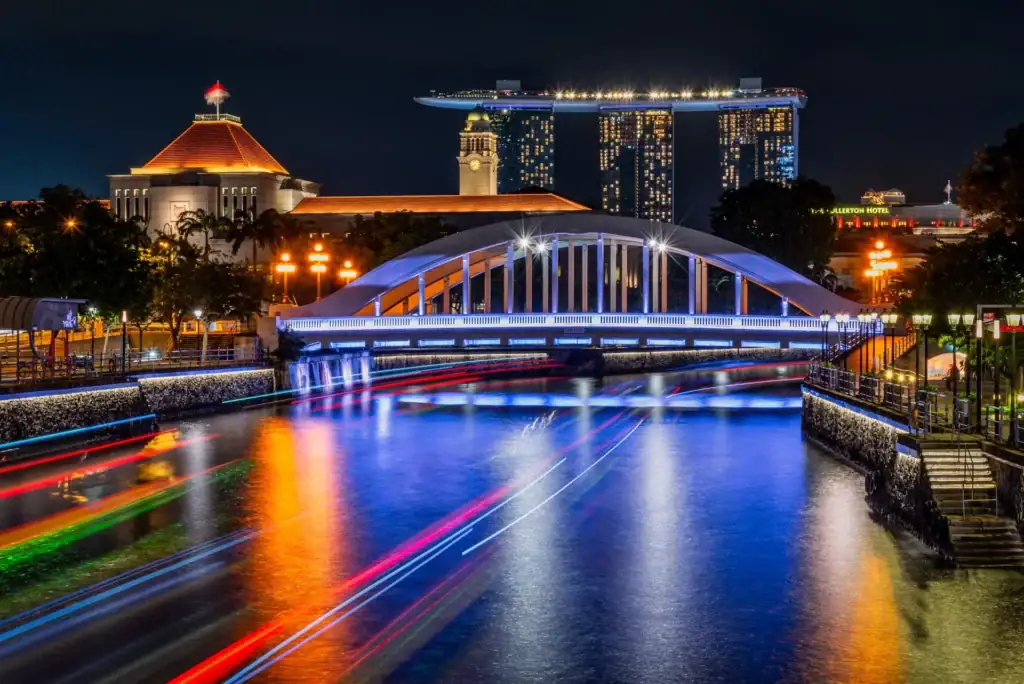
Where to Stay in Bugis, Singapore: Central, Cultural and Well-Connected
This guide to where to stay in Bugis, Singapore is written for European travellers who want a central base with easy transport, local character and walkable streets rather than a purely business or resort environment. Bugis sits between the historic civic district and the colourful quarters of Kampong Glam and Arab Street, making it one of the most convenient areas for mixing culture, food and efficient MRT links. If you are still weighing up different neighbourhoods across the city, it can help to first understand the wider layout of Singapore through an area-by-area overview such as this broader look at where to stay in Singapore, then zoom in on Bugis as a focused, central option. Once you have decided that you prefer a location that balances atmosphere with connections, Bugis becomes an especially appealing choice. Geographically, Bugis lies just east of the Colonial District and a short MRT ride from Marina Bay and Orchard Road, forming a natural hinge between heritage quarters and the modern CBD while remaining compact and highly walkable.Orientation: What Defines Bugis as a Place to Stay
Bugis is best understood as a central crossroads: one part transport hub, one part shopping district, and one part cultural enclave thanks to its proximity to Kampong Glam. Staying here means you are close to many of Singapore’s classic sights without being inside the glass-and-steel core of Marina Bay. The area loosely covers the blocks around Bugis MRT station and extends towards Bras Basah and the fringes of Kampong Glam. For visitors researching where to stay, Bugis hotels range from understated, design-led properties to simple, functional options set among shophouses. You will find wide, air-conditioned malls just a few minutes’ walk from intricate mosque domes and traditional textile and perfume shops. For European travellers, the appeal lies in how compact this area feels: streets are easy to navigate on foot, signage is clear, and major landmarks such as the National Library, the Bugis Street market and the Sultan Mosque can be reached in a short stroll. The district’s mix of old and new is visible in a single city block, which makes Bugis an ideal first introduction to Singapore’s urban fabric.Central & Connected: MRT Links and Getting Around from Bugis
Bugis is one of the most practical districts for using Singapore’s public transport network. Bugis MRT station sits on both the East–West Line (green) and Downtown Line (blue), giving direct access to Changi Airport, the CBD and many residential neighbourhoods with minimal changes. From Bugis, the East–West Line runs straight to City Hall and Raffles Place for civic landmarks and financial-district skyscrapers, and in the opposite direction towards the airport. The Downtown Line flows northwards to Little India and further to the Botanic Gardens, and south towards Promenade and Bayfront for Marina Bay Sands and Gardens by the Bay. This dual-line connection is one of the main reasons travellers looking for where to stay in Bugis Singapore tend to prioritise this neighbourhood if they expect to use the MRT heavily. On the surface, Victoria Street, North Bridge Road and Beach Road are key axes with numerous bus routes, which provide a slower but scenic way to move between Bugis, Chinatown and Orchard. Taxis and ride-hailing services are easy to find on the main roads, with relatively short journeys to most central districts. Even on foot, you can comfortably walk from Bugis to the civic district, Fort Canning, or the riverfront around Clarke Quay in under half an hour, making it an exceptionally central base without feeling boxed in by high-rise office towers.Bugis for Culture: Kampong Glam, Arab Street and Local Character
One of the stronger reasons to choose Bugis over more business-focused districts is its closeness to Kampong Glam, the historic Malay–Arab quarter centred on the golden-domed Sultan Mosque. On foot, it takes only a few minutes to wander from contemporary Bugis shopping centres into streets lined with heritage shophouses, perfumeries and textile stores that have supplied traditional garments for generations. Arab Street and the lanes around Haji Lane and Bali Lane are atmospheric at nearly all times of day. Mornings feel quiet and local, with shutters slowly opening and the call to prayer drifting from the mosque. By late afternoon and evening, the neighbourhood takes on a more social tone, with a blend of independent boutiques, small galleries and casual eateries filling the streets. This gives Bugis a sense of place that some purely commercial districts lack. For visitors who enjoy exploring on foot, staying around Bugis allows repeated, unhurried visits to Kampong Glam rather than a single quick stop on a city tour. You can observe how the quarter evolves throughout the day, visit the Malay Heritage Centre grounds, and explore side streets such as Muscat Street and Baghdad Street, which reveal different aspects of the area’s history and present-day life.Markets, Malls and Street Life in Bugis
Bugis is especially known among Singapore residents for shopping, ranging from mainstream brands to informal market stalls. This creates a lively, often youthful energy that continues into the evening, and it is one of the key lifestyle advantages of basing yourself here. Bugis Street, once a famous night-time gathering spot, has evolved into a covered market filled with narrow aisles selling clothing, souvenirs and small snacks. It is busy and occasionally chaotic, but it offers a contrast to the polished malls that dominate other parts of the city. European visitors who are curious about contemporary youth culture may find this everyday bustle just as interesting as any formal sight. On the mall side, Bugis Junction, Bugis+ and nearby complexes offer a mix of international and regional brands, cafes and casual dining. These air-conditioned interiors are a practical refuge from the equatorial heat and sudden tropical showers, which matters if you are out exploring for long stretches of the day. Just beyond, the Bras Basah and Bencoolen area brings a more arts-focused character with schools, museums and smaller galleries, giving Bugis another layer of interest for travellers who appreciate design and culture.Types of Bugis Hotels and Who They Suit
Although this guide is not about specific properties, it is helpful to understand the typical profiles of Bugis hotels to decide whether the area aligns with your style of travel. Most accommodation options here tend to be mid-range to upper-mid-range, with a growing number of design-forward boutique spaces carved out of older buildings or integrated into mixed-use developments. For travellers who like understated comfort in a central location, modern hotels along Victoria Street and Middle Road provide easy access to the MRT while remaining within ten minutes’ walk of Kampong Glam and Arab Street. These are well suited to visitors who plan to spend most of their time out in the city and value smooth transport connections over resort-style facilities. Further towards the fringes of Bras Basah and Bencoolen, some properties place greater emphasis on creative design and communal spaces, attracting a mix of younger travellers and those interested in art and architecture. If you prefer a slightly quieter ambience but still want to be within walking distance of Bugis MRT and the markets, these border areas can be appealing. The main trade-off to understand is that Bugis does not offer the iconic skyline views and waterfront promenades of Marina Bay, nor the leafy residential feel of certain other neighbourhoods. Instead, it provides a compact, urban experience with cultural depth and constant movement just outside the hotel door.Who Should Consider Staying in Bugis
Bugis works particularly well for travellers who want Singapore to feel navigable from the first day. If you are arriving from Europe, perhaps after a long-haul overnight flight, being able to step out into a neighbourhood that is central yet more human in scale than some of the city’s grander districts can be reassuring. Couples and solo travellers often appreciate the blend of convenience, food options and cultural interest around Kampong Glam and Arab Street. The neighbourhood suits those who enjoy evenings spent wandering, discovering small cafes, and watching local life rather than focusing on formal entertainment venues. Daytime is filled with office workers, students and shoppers, while nights bring a softer, more sociable atmosphere. Families can also find Bugis practical, especially if they value having covered malls and straightforward transport at hand. However, those seeking extensive resort-style pools or direct park access might find other districts more aligned with that specific priority. For anyone whose main criterion is an efficient base for sightseeing across the city, Bugis sits at an ideal intersection of lines on both the MRT map and the cultural map of Singapore. In the wider context of the city’s neighbourhoods, Bugis offers a more grounded alternative to the spectacle-focused character of areas like Marina Bay, which you can explore further in a broader look at Singapore’s main districts and their personalities.Practical Considerations: Noise, Crowds and Daily Rhythm
Because Bugis is such a central and connected area, it does come with a specific rhythm that is worth understanding before you decide where to stay. The streets immediately around Bugis MRT and the main malls are busy through much of the day and evening, with peak crowds during weekends and public holidays. This creates a sense of energy but can feel intense if you prefer very quiet surroundings. Choosing streets slightly set back from the main roads usually results in a calmer experience, especially at night. Within a few blocks, the character can change from bright retail facades to residential or mixed-use streets with more subdued lighting and less traffic. When considering hotels, paying attention to whether windows face a main road or an inner courtyard can have a noticeable impact on how restful the stay feels. Another point to bear in mind is that Singapore’s climate shapes daily patterns: midday heat can be strong, so many locals favour early mornings and evenings for walking outdoors. In Bugis, this means that the outdoor streets of Kampong Glam and Arab Street feel particularly pleasant to wander after the sun has softened, while the malls and covered walkways provide comfortable routes during the hotter hours.Practical Travel Tips for Staying in Bugis
- Use Bugis MRT as your main reference point; it connects two important lines, making it easy to navigate the rest of Singapore with minimal changes.
- From Changi Airport, the East–West Line brings you directly towards Bugis; changing lines is usually straightforward thanks to clear English signage.
- Plan some of your sightseeing early in the morning or after sunset, using Bugis’s malls and covered walkways as mid-day refuges from the heat.
- When walking to Kampong Glam and Arab Street, use pedestrian crossings on Victoria Street and North Bridge Road; traffic moves quickly and can be heavier than it appears.
- Respect the religious nature of the area around Sultan Mosque by dressing modestly if you plan to visit the mosque interior or linger in its immediate surroundings.
- Bugis Street market can become crowded; keep valuables secure and move with the flow of people in the narrower aisles to avoid bottlenecks.
- Air conditioning in malls and trains can feel cool after walking in the humidity; a light layer in your day bag can make transitions more comfortable.
- Rain showers are frequent and often sudden; many Bugis hotels provide umbrellas, but a compact travel umbrella is useful for walking between Kampong Glam, Bugis Junction and nearby cultural venues.
- Noise levels near main roads rise during peak traffic hours; if you are sensitive to sound, consider requesting a room facing an inner courtyard or higher floor.
- Cashless payments are widely accepted, but small notes are handy for market snacks and smaller stalls around Bugis Street and the side lanes of Kampong Glam.
FAQs about Staying in Bugis, Singapore
Is Bugis a good area to stay in Singapore for first-time visitors?
Bugis is well suited to first-time visitors because it combines strong MRT connections with a compact, walkable environment rich in culture and everyday life. You can reach major attractions easily while returning each evening to a neighbourhood that feels both central and approachable.How does Bugis compare to Kampong Glam or Arab Street as a base?
Bugis, Kampong Glam and Arab Street are adjacent; staying in Bugis places you closer to the MRT and malls, while Kampong Glam and Arab Street offer a more historic and atmospheric setting. Many travellers choose Bugis hotels within walking distance of the mosque and heritage streets, balancing practicality with character.Are Bugis hotels convenient for exploring the rest of Singapore?
Yes, Bugis hotels benefit from direct MRT links on the East–West and Downtown lines, which connect quickly to Marina Bay, Chinatown, Little India, the Botanic Gardens and the airport. This makes Bugis one of the more efficient locations for day-to-day sightseeing across the city.Is Bugis safe to walk around at night?
Bugis is generally safe and remains active into the evening, especially around the malls, Bugis Street market and Kampong Glam. Usual city awareness is advisable, but most visitors find the streets well-lit and comfortable to walk, even later in the day.Does staying in Bugis offer a local cultural experience?
Staying in Bugis gives ready access to Kampong Glam, Arab Street and the surrounding shophouse-lined lanes, which together provide insight into Malay and Arab heritage alongside contemporary street life. This combination offers more cultural texture than some purely commercial districts.Conclusion: The Appeal of a Bugis Base
Bugis brings together three elements that matter to many European travellers: centrality, connectivity and cultural interest. The double-line MRT station, walkable streets and proximity to Kampong Glam make it an efficient yet characterful base for exploring Singapore. The main trade-offs involve accepting a busier, more urban environment and foregoing the dramatic waterfront views of areas like Marina Bay in favour of markets, shophouses and everyday city life. For those who value a central and connected neighbourhood with strong local colour, Bugis offers a balanced, grounded way to experience Singapore.Recommended next:
- Where to Stay in Singapore CBD for Business and Leisure
- Best Boutique Hotels in Singapore for Design Lovers
- Luxury Hotels near Singapore MRT Stations
- Best Rooftop Pool Hotels in Singapore
- Best Areas to Stay in Singapore Without Breaking the Bank
- Where to Stay in Singapore for First-Timers: Simple Area Guide
- More in Singapore →