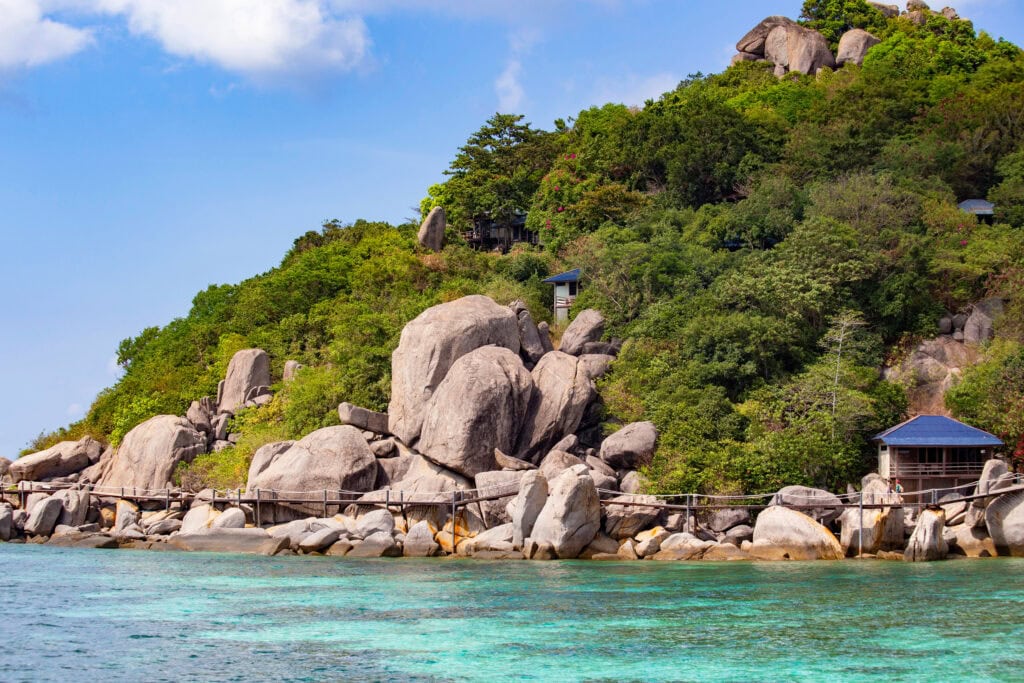
Best Dive Resorts in Koh Tao for Easy Diving and Relaxed Stays
This guide is for European travellers who want to pair comfortable island accommodation with straightforward scuba certifications on Koh Tao, without having to sift through commercial hype. It focuses on where to stay when your main goal is to learn to dive, improve your skills, or simply enjoy relaxed days in a well-run dive resort.
Koh Tao, in the Gulf of Thailand north of Koh Samui and Koh Phangan, has become one of the world’s most popular places to gain diving qualifications, combining gentle tropical dive sites with a compact island where most koh tao scuba hotels sit directly on or near the beach. For many visitors, this island follows a stay in the capital, and it can be useful to first understand where to base yourself in Bangkok as a first-time visitor before flying or travelling down to the Gulf islands.
Here, the emphasis is squarely on the dive + stay experience: how the best dive resorts in Koh Tao organise training, what kind of accommodation they offer, and how each area feels once you step out of your wetsuit and into island life.
Why Koh Tao Works So Well for Easy Diving Certifications
Koh Tao is known among European travellers as a place where learning to dive feels approachable rather than intimidating. The island’s sheltered bays, predictable conditions, and shallow reefs make it easier for beginners to get comfortable in the water, while its compact size means many dive centres are within walking distance of both the beach and your room.
Most dive resort Koh Tao properties combine on-site classrooms, equipment rooms, and boats with straightforward rooms or bungalows. That can mean early morning briefings on the terrace, kitting up just a few steps from your bed, and returning after dives to a familiar base rather than navigating a new area each day.
Certification courses usually stretch over several days, and this is where a coherent dive-and-stay setup matters: you can spread theory sessions across cooler hours, rest between dives without having to travel, and enjoy quieter evenings in resort gardens or beachfront lounges instead of commuting back from another part of the island.
The atmosphere is generally relaxed and social rather than high-adrenaline. Europeans on longer trips use Koh Tao to slow the pace: mornings on the boat, afternoons reading on the balcony, and unhurried dinners by the sea. This rhythm suits those who want to build diving confidence gradually while staying comfortable on land.
Understanding Koh Tao’s Main Dive Areas and Accommodation Vibes
Although Koh Tao is small, choosing the right bay influences both your diving and your downtime. Most koh tao diving accommodation is grouped around three main areas, each with its own rhythm and style.
- Sairee Beach: The island’s liveliest strip, with a long sandy beach, plenty of dive centres, cafés, and low-rise hotels. It’s ideal if you want a sociable scene and the broadest choice of instruction in European languages, but evenings can feel busy.
- Mae Haad: The main pier area, more functional than pretty but very convenient. Many dive resorts here are steps from arrival ferries, which is practical if you are carrying gear or prefer to avoid extra transfers. The mood is calmer than Sairee, with a few local restaurants and sunset spots.
- Chalok Baan Kao and the south: A quieter bay with a more laid-back, almost village-like feel. Ideal for those who prefer early nights, calm water, and compact resorts where staff quickly learn your name. It also offers easy access to several southern dive sites.
Hillside resorts are scattered above these main bays, often with sea views and steeper walks or shuttle rides to the dive centre. These can be attractive for couples or friends seeking a more secluded, comfort-focused stay, provided you are comfortable with some stairs or short drives before and after diving.
What Makes a Good Dive Resort on Koh Tao for Europeans
When looking beyond generic koh tao scuba hotels and focusing on dive resorts, a few factors matter particularly for European visitors planning certifications:
- On-site dive centre: Resorts with their own dive school provide a seamless experience: check-in, medical forms, gear fitting, and theory sessions all happen in one place. This is especially helpful if English is not your first language and you want consistent communication with a single team.
- Small teaching groups: For beginners, fewer students per instructor can make a significant difference in confidence and comfort. Many of the best dive resorts in Koh Tao emphasise small group sizes in their information and daily briefings.
- Calm learning spaces: Look for accommodation that offers shaded terraces, quiet corners, or lounges where you can review theory materials in the afternoon heat without distractions.
- Practical room features: After multiple dives, simple details like drying racks on balconies, efficient air-conditioning, and decent showers become important. Some dive-focused hotels provide dedicated areas for rinsing and hanging wetsuits.
- Walkability and terrain: If you are carrying gear or feel tired after dives, flat access from room to dive centre is a real advantage. Hillside bungalows can be beautiful but may involve steep walks, which not everyone appreciates at the end of a full boat day.
- Quiet vs. social atmosphere: Groups of friends often prefer sociable resorts near beach bars, while solo travellers or couples completing courses might value accommodation where evenings are quieter and sleep is easy.
European travellers who are sensitive to heat often appreciate properties with shaded gardens or trees around pool and study areas. A resort that balances open-air communal zones with air-conditioned rooms makes the learning schedule more pleasant in tropical conditions.
Best Areas and Resort Styles for Beginner Dive Courses
If your main goal is to complete an introductory course with minimal stress, certain types of koh tao diving accommodation work particularly well.
Beachfront dive resorts in Sairee and Mae Haad are convenient for your first few dives. The shore entry and boat departure points are close by, and there is enough infrastructure around you to pick up snacks, find a relaxed dinner spot, or take an evening stroll along the sand without needing transport. These areas are also where you are most likely to find instructors who can teach in various European languages.
For a quieter learning environment, compact dive resorts in Chalok Baan Kao offer a more low-key setting. These resorts often have fewer rooms, so the atmosphere is calmer, and the pace of the day is set by the dive schedule rather than nightlife. It suits travellers who want early nights and clear mornings for focused instruction.
Some hillside hotels partner with local dive schools rather than operating their own. In these cases, there may be scheduled transfers from your accommodation down to the dive centre. This arrangement can work nicely if you prefer the comfort and views of a more elevated property but still want a well-organised diving programme.
For Europeans who are slightly anxious about the water, look for resorts that highlight shallow training pools or calm house reefs used for initial skills. Having these easily accessible within or near the property helps new divers progress at their own pace.
Combining Comfort, Wellness, and Diving on Koh Tao
While many travellers come to Koh Tao with a clear focus on certification, it is increasingly common to treat the dive resort as a broader base for rest, wellness, and gentle exploration.
Resorts that blend diving with comfortable, non-party surroundings cater well to this style. Features might include quiet pools, shaded gardens, and on-site massage salas. Between dives, you can retreat to your room, enjoy a light meal facing the sea, or take a slow walk along the beach without feeling pressed into a hectic social schedule.
Couples and small groups often look for:
- Spacious rooms or bungalows with sea views and balconies, allowing you to dry gear while still enjoying privacy.
- Restaurants that serve light Thai dishes alongside familiar European options, which helps when diving multiple days in a row and wanting easy, digestible meals.
- Quiet hours or an emphasis on relaxation rather than all-night music, especially in resorts a little removed from Sairee’s main strip.
Some of the more established dive resort koh tao properties also offer continuing education courses, underwater photography workshops, or gentle yoga sessions on non-diving days. This combination suits travellers on longer trips who want to deepen skills without rushing through consecutive days underwater.
Orientation, Transport, and Getting Around Dive Resorts in Koh Tao
Koh Tao has no airport; most European visitors reach the island via a combination of domestic flights or trains and a ferry from the mainland or nearby islands. Whichever route you choose, you will arrive at the main pier in Mae Haad, from where your resort can usually arrange a simple transfer.
Because the island is compact, distances between the main bays are short, but the terrain is hilly in places and roads can be narrow. Many travellers rely on:
- Walking: Within Sairee and Mae Haad, most dive centres and accommodations are accessible on foot along the beach or main road.
- Resort transfers: Some hillside or southern resorts offer scheduled pick-ups and drop-offs to dive centres, particularly if their school is located elsewhere on the island.
- Local taxis: Open pick-up taxis run between the main areas; they are useful after a long day on the boat when walking up steep hills is less appealing.
For divers, it often makes sense to choose accommodation close to the dive operation you plan to use, reducing the need for scooters or long walks with wet gear. Those interested in exploring more remote viewpoints or bays can always arrange day trips once the main part of their course is complete.
Practical Travel Tips for Dive-Focused Stays in Koh Tao
- Plan at least four to five days on the island if you intend to complete a beginner certification, allowing a buffer for weather or rest days.
- If arriving from Europe, consider spending a night on the mainland or a nearby hub to recover from jet lag before starting intensive dive training.
- Check ferry times carefully so you do not arrive on Koh Tao late at night when transfers to hillside accommodation can be slower and more tiring.
- Pack a light long-sleeved layer for evening theory sessions, as classrooms and lounges are often air-conditioned and can feel cool after sunset.
- Bring reef-safe sunscreen and a hat for boat days; most dive boats offer shade, but surfaces can be bright and reflective.
- Use dry bags and labelled mesh bags to keep personal items separate from communal dive gear on the boat.
- Drink plenty of water and avoid heavy alcohol when diving; many koh tao scuba hotels provide refill stations, so carrying a reusable bottle is practical.
- Be mindful of local norms by dressing modestly when walking through villages or away from the beach; swimwear is best kept to resort and shoreline areas.
- Expect some steps and uneven paths within resorts; if mobility is a concern, request ground-level rooms near reception or the dive centre.
- Schedule your last dive at least 24 hours before flying onwards from the region to stay within conservative safety recommendations.
FAQs about Dive Resorts and Diving Accommodation in Koh Tao
Is Koh Tao a good place for first-time divers from Europe?
Yes. Koh Tao’s calm bays, clear water, and abundance of beginner-friendly sites make it especially suitable for first-time divers. Many dive resorts are experienced with European visitors and can provide instruction in multiple languages, with accommodation and training smoothly integrated.
What is the difference between a dive resort and regular koh tao scuba hotels?
A dive resort typically has its own on-site dive centre, boats, classrooms, and equipment, making it easy to organise your entire course from one base. Regular koh tao scuba hotels may simply be accommodation, sometimes partnering with external schools. Both can work, but dive resorts usually offer a more seamless dive + stay experience.
Which area is best to stay for easy access to dive centres?
Sairee Beach and Mae Haad offer the highest concentration of dive centres within walking distance of hotels, plus many dining options and services. For a quieter setting with established dive operations, the southern bays such as Chalok Baan Kao provide a more laid-back alternative with fewer crowds.
Can I find quiet koh tao diving accommodation if I do not want nightlife?
Yes. Many smaller resorts and bungalows sit slightly away from the busiest parts of Sairee or in the south of the island, where evenings are calmer. These places often cater to divers who prefer early nights, quieter common areas, and relaxed beachfront restaurants over loud bars.
Do dive resorts in Koh Tao cater to families or non-diving companions?
Some dive resorts welcome families and non-divers, offering pools, beach access, and easy day trips for snorkelling or hiking. If you travel with someone who will not be diving, look for properties with broader facilities and comfortable spaces to relax while you are out on the boat.
Conclusion
The best dive resorts in Koh Tao bring together accessible training, calm tropical waters, and comfortable island accommodation in a compact setting that works well for European travellers. Choosing between lively beachfront strips, practical pier-side hotels, or quieter southern bays is largely a matter of the atmosphere you prefer between dives. The trade-off is typically between convenience and seclusion, but across the island you will find koh tao diving accommodation that can support both an easy path to certification and a relaxed, restorative stay.
Recommended next:
- Thailand Itinerary 10 Days: Bangkok, Chiang Mai & Islands for First-Timers
- Thailand Itinerary 14 Days: Classic Route with Beaches and Northern Culture
- Thailand in 7 Days: Bangkok + One Beach Base (No Rushing)
- Best Time to Visit Thailand: Month-by-Month Weather for Europeans
- Thailand Travel Costs: Realistic Daily Budget for European Travelers
- Thailand Travel Insurance Guide: What to Cover and What to Skip
- More in Thailand →