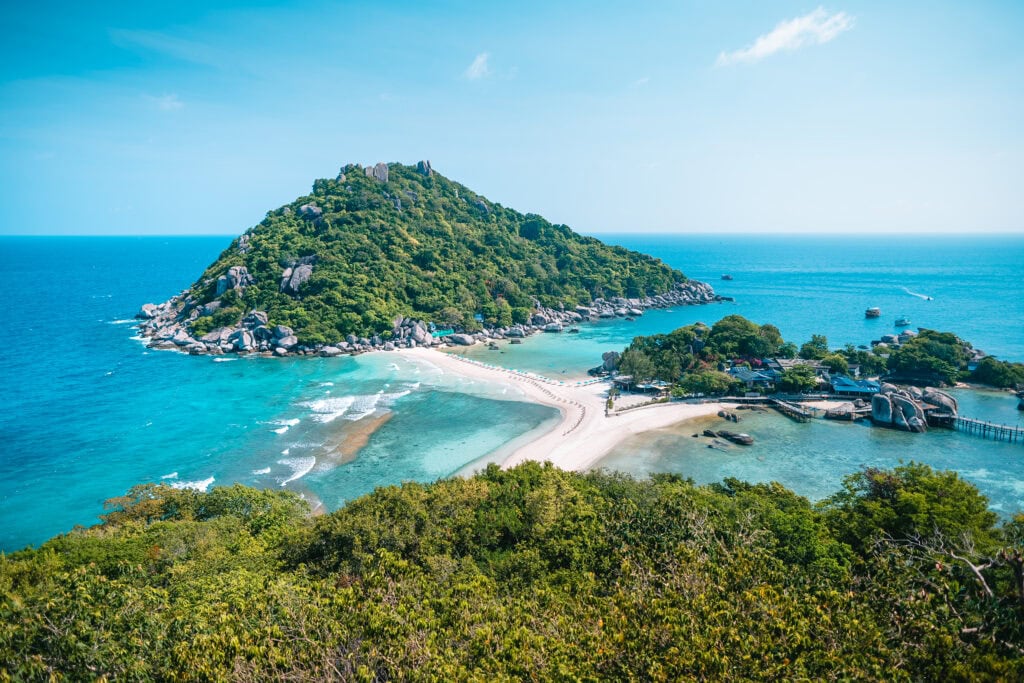
Introduction: Choosing Your Diving Base on Koh Tao
This guide is written for European travellers planning a stay on Koh Tao with diving, snorkelling and easy sea swimming as the main focus. Instead of listing individual properties, it compares the key Koh Tao areas so you can decide where to stay in Koh Tao for your style of underwater holiday.
Koh Tao is a compact island in the Gulf of Thailand, north of Koh Samui and Koh Pha Ngan, known for its dense concentration of diving schools, accessible reefs and sheltered bays that suit both beginners and certified divers. If you have already looked at how different neighbourhoods in Bangkok shape a visit, such as in area-focused city guides like where to stay in Bangkok for first-time visitors, this is the island equivalent with a clear diving base angle.
Orientation: Koh Tao is a small, hilly island where most life unfolds along the western and southern coasts, with Sairee Beach as the social hub and a series of quieter bays curving around the shoreline.
Sairee Beach: Lively Social Hub with Dive Schools on the Sand
Sairee Beach is the island’s longest stretch of sand and the best-known place to stay in Koh Tao. It runs along the mid-west coast, facing sunset, with a flat, walkable strip where many of the island’s dive operators, beach bars and restaurants cluster together.
For divers who like to be in the middle of things, this is the natural first choice among the main Koh Tao areas. You can walk from your room to your dive school in minutes, and most boats depart from the nearby piers along the same shoreline. The beach itself is shallow and calm, suited to relaxed sea swimming rather than long-distance laps, and it is especially welcoming for those easing into tropical waters for the first time.
Sairee Beach hotels range from simple bungalows tucked behind the sand to polished small resorts with pools. The atmosphere changes subtly as you move along the beach: the central zone is busy and social, while the northern end is quieter, with fewer bars and more space between buildings. If you like the convenience of having multiple dive centres, cafes and casual nightlife within a short walk, but you still want to sleep away from the noisiest spots, the northern half of Sairee often offers the best balance.
Trade-offs are mainly about noise and crowds. During peak months and around Thai holidays, the central Sairee strip can feel busy, especially in the evenings, and the shallow sea can be a little stirred up compared with the island’s smaller bays. For a pure diving base with a social side and simple logistics, however, it remains the most practical place to stay in Koh Tao.
Mae Haad: Practical Gateway and Central Dive Resort Base
Mae Haad is where the ferries arrive, making it the logistical heart of Koh Tao. The village spreads along a straight, west-facing beach south of Sairee and up the slopes behind the main pier. Many travellers see only the port area, but it is also one of the most convenient zones for a dive-focused stay.
This is where a significant number of Koh Tao dive resorts cluster, with their own training pools, classrooms and on-site gear rooms. If your priority is efficient access to dive boats and you are less concerned about being on a famous beach, Mae Haad works well. Expect to walk only a few minutes from many accommodations to the pier where boats depart for popular sites such as Chumphon Pinnacle or White Rock.
The beach at Mae Haad is sandy and swimmable, with calm conditions in settled weather, though slightly less picturesque than the island’s smaller coves. Swimming is generally better on the southern and northern edges of the bay, away from the main ferry lane. Because it is the transport hub, the area has plenty of everyday services: ATMs, small supermarkets, laundries and casual eateries that cater to divers and local staff as much as visitors.
Mae Haad suits travellers who prefer a functional, central base with reasonable walkability in all directions. From here you can reach Sairee Beach on foot in around 15–20 minutes along the coastal path, and many taxi boats and road taxis operate from the pier to smaller bays. The trade-off is that it feels more like a working port town than a secluded island escape, but for a dive trip with tight schedules it is exceptionally practical.
Chalok Baan Kao and Southern Bays: Quieter Waters and Relaxed Dive Vibe
At the southern end of Koh Tao, Chalok Baan Kao Bay and its neighbouring coves form a gentler alternative to Sairee. The bay curves in a wide arc, with shallow, usually calm waters that are ideal for easy swimming, paddleboarding and the surface intervals between dives.
Several well-established dive centres are based here, and many have on-site or nearby accommodation, effectively creating small, self-contained dive communities. The atmosphere is slower and more introspective than in Sairee, popular with travellers who come primarily for courses, certifications and repeated fun dives rather than a busy beach scene.
Swimming conditions in Chalok Baan Kao are forgiving: even those who are not strong swimmers can wade out gradually and stay within their depth for some distance. The water can become a little cloudy at low tide, but head to the sides of the bay or to nearby Freedom Beach and you will often find clearer patches for snorkelling.
In terms of amenities, Chalok has a concise main street with cafes, small shops and relaxed places to eat, but nightlife is muted and everything tends to wind down early. Road access to dive sites is not relevant here, as most trips run by boat, but it is useful to know that the roads connecting the southern bays to Mae Haad involve a few hills; scooters are common, while walking is feasible but hot in the midday sun.
This part of Koh Tao is well-suited to travellers who want to wake up by the sea, walk a few steps to their dive school and spend off-hours in a quiet, local-feeling environment. The compromise is less variety of dining and entertainment compared with Sairee or Mae Haad.
Tanote Bay and the East Coast: Strong Snorkelling and a Wilder Feel
On the east coast, Tanote Bay stands out as a natural swimming basin and snorkelling hotspot, backed by steep hills and large boulders. It feels distinctly more remote than the west, which is part of its appeal for divers and swimmers who value a wilder landscape.
There are fewer formal koh tao dive resorts on this side, but some east coast accommodations have close relationships with dive operators who arrange transfers to boats on the west, or run their own smaller-scale operations. For certified divers, staying here works well if you enjoy splitting your time between formal boat dives and independent snorkelling sessions directly from shore.
Tanote’s bay is relatively deep close to shore, with clear water when conditions are calm, creating good visibility for spotting reef fish around the rocks. Confident swimmers can reach the well-known central rock for snorkelling, while less experienced swimmers can stay in the inner part of the bay where the swell is gentler.
Access is the main trade-off. The road from Mae Haad up and over the central ridge is steep and winding; taxis and 4×4 pickups are common, and many visitors treat the bay as a day trip rather than a base. If you choose to stay here, plan around the fact that you will not be walking easily to Sairee or Mae Haad in the evenings. In return, you gain a quieter beachfront, starlit nights and easy access to some of the island’s clearest near-shore water.
Smaller Coves and Swim-Focused Spots: Shark Bay, Aow Leuk and Beyond
Around the southern and eastern edges of Koh Tao, a necklace of smaller coves provides excellent swim and snorkel conditions, even if they lack the density of formal dive schools found in Sairee or Mae Haad. These include Shark Bay (Thian Og), Aow Leuk and Hin Wong Bay, among others.
Shark Bay, on the south coast, is famous for its shallow, seagrass-filled water where blacktip reef sharks and turtles are often sighted. For strong swimmers and confident snorkellers, it can be a rewarding base, as some accommodations grant relatively direct access to the bay. However, currents can be noticeable beyond the shallows, and the seabed here is not all soft sand, so water shoes are helpful.
Aow Leuk, on the south-east, feels more enclosed and is frequently cited as one of the island’s most attractive natural swimming pools. Its clear, blue water and sandy entry point make it ideal for relaxed sea bathing between dives. Dive trips from here are usually arranged through connections to larger operators elsewhere, so it suits visitors who prioritise swimming and snorkelling, and do not mind slightly longer transfers to the main dive boats.
Hin Wong Bay, on the north-east coast, is rockier and more exposed, with excellent snorkelling when the sea is calm. It is better for experienced swimmers due to its depth and occasional chop. Accommodation options are limited but atmospheric, perched among boulders with panoramic sea views, offering a very different feel from the island’s flat western beaches.
Staying in these smaller coves works best for those who want a swimming-first trip with carefully chosen dive days rather than a tightly scheduled course. The main trade-offs are steeper access roads, limited dining options and a sense of seclusion once night falls.
How Koh Tao Areas Compare for Diving Courses vs Fun Dives
When considering where to stay in Koh Tao specifically as a diving base, it helps to separate two main needs: completing a structured diving course and enjoying relaxed fun dives with ample downtime in the water.
For beginners and those taking multi-day certifications, Sairee Beach and Mae Haad remain the most straightforward choices. The concentration of dive schools, training pools and classroom facilities, combined with easy pier access, shortens daily logistics and simplifies early-morning starts. Being able to walk or take a short scooter ride to your course meeting point every day is a significant advantage.
For certified divers focused on fun dives, the equation shifts slightly. Many experienced divers still appreciate the convenience of Sairee, but the quieter rhythms of Chalok Baan Kao or the smaller coves can be appealing if you prefer to combine boat dives with independent snorkelling and lap-style swimming directly from your accommodation.
Those who enjoy a mix of underwater experiences often use one of the central koh tao areas as a base and then spend at least one day exploring the eastern and southern bays by taxi or scooter, treating them as swim and snorkel excursions. This pattern allows you to retain the practical benefits of a central dive hub while still experiencing the island’s more secluded water.
Practical Travel Tips for Staying on Koh Tao
- Arrivals and departures: Most travellers arrive by ferry from Koh Samui, Koh Pha Ngan or the mainland; all ferries dock at Mae Haad, regardless of where you stay on the island.
- Getting to your area: Arrange a shared pick-up or local taxi from Mae Haad to Sairee, Chalok or the eastern bays; walking is realistic only if you are staying close to the pier.
- Road conditions: Koh Tao’s roads are short but often steep and occasionally rough; if hiring a scooter, ensure you are confident on hills and avoid driving at night in the rain.
- Boat transfers: For remote coves, taxi boats from Sairee or Mae Haad can be a simple option; confirm the return time and sea conditions before setting out.
- Sea seasons: The Gulf of Thailand can be choppier from November to January and calmer around March to September; visibility and swim conditions vary by bay and by day.
- Sun and heat: Shade is limited on some beaches; early mornings and late afternoons are the most comfortable times for walking the coastal paths between Sairee and Mae Haad.
- Reef etiquette: Avoid standing on corals, use reef-safe sunscreen and keep a respectful distance from marine life, especially turtles and reef sharks in places like Shark Bay.
- Local rhythm: Diving days often start early; nightlife in Sairee runs late in high season, while Chalok and the smaller bays tend to be quiet by 22:00.
- Cash and services: ATMs and pharmacies cluster around Mae Haad and central Sairee; smaller bays may have limited facilities, so plan withdrawals and essentials before heading out.
- Language and etiquette: English is widely spoken in dive centres; a simple “khop khun khrap/ka” (thank you) is appreciated, and beachwear should be reserved for the shore, not village streets.
FAQs About Where to Stay in Koh Tao
Which area is best for first-time visitors to Koh Tao?
For a first visit with a focus on diving and swimming, Sairee Beach and Mae Haad are the most practical choices. Sairee offers a sociable beach environment with many dive schools in walking distance, while Mae Haad provides straightforward access to ferries and dive boats, plus everyday services, in a more functional setting.
Where should I stay in Koh Tao for the best swim spots?
If swimming and snorkelling are your main priorities, consider Chalok Baan Kao, Aow Leuk or Shark Bay for easy, sheltered water close to your accommodation. For clearer, deeper water and excellent shore snorkelling, Tanote Bay and Hin Wong Bay on the east coast are also strong options, provided you are comfortable with steeper access and a more secluded feel.
Are Sairee Beach hotels suitable for a quiet diving holiday?
Central Sairee can be lively in the evenings, but many Sairee Beach hotels at the northern and southern ends of the bay are relatively calm. If you want a quieter diving base without leaving the main hub, look for accommodation slightly back from the busiest beach bars or closer to the northern tip of the bay.
Which Koh Tao areas have the most dive resorts?
The highest concentration of koh tao dive resorts and dedicated dive schools is found in Sairee Beach, Mae Haad and Chalok Baan Kao. These areas combine on-site facilities such as training pools and classrooms with convenient access to piers and dive boats, making them efficient bases for certifications and repeat dives.
Is it easy to move between different beaches during a stay on Koh Tao?
The island is small, so moving between beaches is feasible, but the hilly terrain means you will rely on taxis, scooter rentals or taxi boats rather than long walks, especially to east coast bays like Tanote or Hin Wong. Many travellers choose a central base in Sairee or Mae Haad and then visit other beaches as day trips.
Conclusion
Choosing where to stay in Koh Tao is largely about deciding what kind of diving base you want. Sairee Beach and Mae Haad offer the greatest convenience, with dense clusters of dive centres and easy logistics, while Chalok Baan Kao and the smaller coves provide quieter surroundings and gentle swim spots. The island’s compact size allows you to experience several different bays even on a short trip, but being clear about whether you prioritise social energy, seclusion, swimming or pure practicality will help you select the area that best frames your time underwater.
Recommended next:
- Thailand Itinerary 10 Days: Bangkok, Chiang Mai & Islands for First-Timers
- Thailand Itinerary 14 Days: Classic Route with Beaches and Northern Culture
- Thailand in 7 Days: Bangkok + One Beach Base (No Rushing)
- Best Time to Visit Thailand: Month-by-Month Weather for Europeans
- Thailand Travel Costs: Realistic Daily Budget for European Travelers
- Thailand Travel Insurance Guide: What to Cover and What to Skip
- More in Thailand →