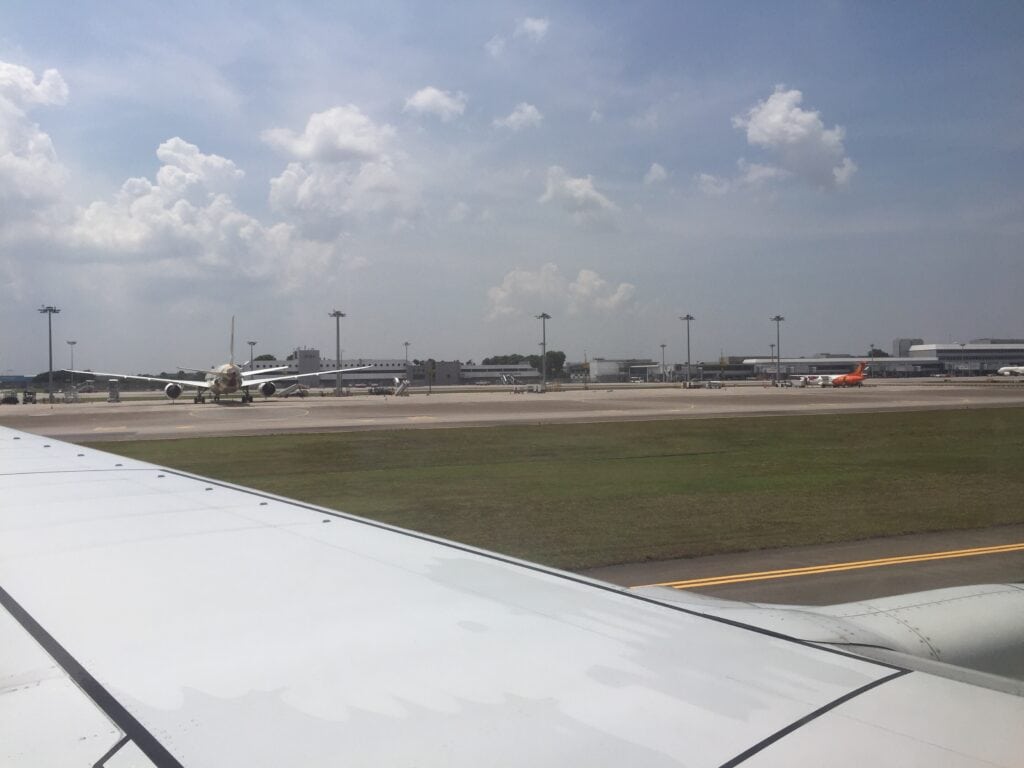
Short stopovers in Singapore: where efficiency matters
This guide is for European travellers using Singapore as a hub and needing a place to sleep, refresh and reset between long-haul flights. When your time on the ground is counted in hours rather than days, choosing the right singapore stopover hotels becomes less about ambience and more about fast transfers, calm rest and simple logistics.
Singapore is a compact city-state with an airport on its eastern edge and a dense, highly connected centre; understanding how its neighbourhoods relate to Changi Airport is the key to an efficient layover. For a wider view of the city’s main districts and how they fit together, it helps to read a broader overview such as where to stay in Singapore for different travel styles and connections before zooming in on short stopovers.
Orientation: Changi Airport lies to the east, while most city hotels are concentrated in the central area around Marina Bay, the historic riverside and Orchard Road, all roughly 20–25 minutes by taxi from the terminals when traffic is light.
Airport versus city: deciding where to sleep on a short stopover
The first decision for any layover stays in Singapore is whether to remain airside/airport-adjacent or to transfer into the city. This hinges on how many usable hours you have and how rested you want to feel on the next leg.
Airport hotels, including those within or directly linked to Changi’s terminals, are designed for pure efficiency. They minimise walking distances, allow you to shower and sleep quickly between flights and remove almost all transfer uncertainty. These are best suited to overnight layovers when you land late and depart very early, or when you have fewer than 8–10 hours on the ground and no real desire to sightsee.
City hotels, by contrast, give you a sense of place: skyline views, river promenades, hawker food, and a short glimpse of daily life in Singapore. Travelling into town adds around 40–60 minutes of round-trip transfer time, so this only becomes worthwhile if your stopover is long enough to justify unpacking, showering, sleeping and having a simple wander or meal. For most European travellers this threshold is around 12 hours or more between flights.
Staying at or near Changi: ultimate efficiency for short transit hotels
For the tightest connections, transit-accommodation around Changi Airport offers the most time-efficient solution. Within the terminals, airside short transit hotels and sleep pods are aimed at passengers who do not want to clear immigration, while several full-service properties sit in or next to the airport complex for those who are formally entering Singapore.
This arrangement is ideal if you are arriving on an overnight flight from Europe and continuing to Australia or Southeast Asia the same evening. You avoid the unpredictability of city traffic and can move between hotel and gate in a matter of minutes. The trade-off is that you will see almost nothing of the city itself beyond the airport’s gardens and mall-style public spaces.
In terms of comfort, airport hotels are surprisingly quiet for such a busy hub, with good soundproofing and blackout curtains designed to help you adjust between time zones. Spa facilities, swimming pools and gym access are common, which can be valuable when you have been sitting for 12 hours and are about to do the same again. For travellers with children, the ability to break the journey into distinct, manageable segments within one controlled environment is a significant advantage.
Marina Bay and the CBD: quick city access with streamlined transport
If your layover is closer to 18–24 hours and you would like a quick dip into Singapore’s urban scenery, Marina Bay and the Central Business District (CBD) are the most efficient central locations. Taxi and ride-hail services typically reach these districts from Changi in around 20 minutes outside peak hours, and the journey is direct: expressway, then downtown.
Marina Bay offers waterfront promenades, skyline views and easy access to major sights such as Gardens by the Bay and the Merlion. The broader CBD and Raffles Place area is more business-oriented but is extremely well-connected, with several MRT lines interchanging here, making it straightforward to move around when time is limited. For a more detailed neighbourhood breakdown, citywide overviews such as dedicated Marina Bay or central Singapore area guides can be useful reference points once you have decided that coming into town suits your stopover window.
From an efficiency perspective, these districts reduce the number of decisions you need to make. You can step out of your hotel and immediately find river walks, shopping malls, and a choice of dining options without navigating residential side streets. This matters when jet lag is setting in and you have only a couple of hours of clear-headed energy. Evening arrivals are particularly well-served here, as Marina Bay’s illuminated skyline and the riverside atmosphere give you a concentrated, easily accessible sense of Singapore in a short time.
Orchard Road and central retail zones: comfortable stopovers with easy routines
For travellers who associate rest with familiar routines—short strolls, window shopping, cafes—Orchard Road is an efficient yet slightly more relaxed alternative to the waterfront. This long retail boulevard sits just northwest of the CBD and is directly connected by MRT, taxis and ride-hailing services, with similar travel times to and from the airport.
Staying around Orchard Road during a Singapore stopover works well if you want to keep moving gently to fight jet lag, without committing to a packed sightseeing schedule. Covered walkways, air-conditioned malls and abundant dining options make it easy to stay comfortable despite the humidity. You can structure a simple, low-stress plan: a short nap, a light meal, a walk to stretch your legs, and an early night before returning to the airport.
Orchard also offers straightforward access to other central districts should you have a bit more time. A short MRT ride takes you to Marina Bay or the riverside, while taxis are plentiful and metered. This combination of convenience, comfort and connectivity makes Orchard Road a practical middle ground for layover stays in Singapore that are long enough to leave the airport but not long enough to explore multiple neighbourhoods in depth.
Sentosa and leisure-focused stopovers: when you have a full day or more
If your layover extends beyond 24 hours and you are prioritising decompression over urban intensity, Sentosa Island can work as a more resort-like base while still remaining reasonably connected to the airport. Located off Singapore’s southern coast but linked by road and monorail, Sentosa is about 25–30 minutes from Changi by taxi in normal traffic.
Sentosa’s appeal for longer stopovers lies in its beaches, landscaped grounds and family-friendly attractions. You can spend most of your time outdoors or by the pool, which can be especially restorative between long flights. The compromise is that you are slightly removed from the core city sights, and public transport back to Changi typically involves a combination of monorail or MRT plus a change, unless you opt for a taxi.
This option is best for travellers who have already visited Singapore’s central districts on previous trips, or who simply want a quiet, almost resort-style pause in the journey. With enough time, you can still schedule a half-day excursion into Marina Bay or Chinatown, but Sentosa itself becomes your main frame of reference for the stopover.
Historic riverside, Chinatown and Little India: character in compact doses
For those who value atmosphere and local colour over pure speed, the historic districts along the Singapore River, as well as Chinatown and Little India, can be rewarding bases for a short stay. They are not as ruthlessly efficient as airport hotels, but they still offer manageable transfer times from Changi and excellent MRT coverage.
Chinatown and the riverside around Clarke Quay sit close to the CBD, meaning that you retain much of the same transport simplicity while gaining access to shophouse streets, temples and lively evening scenes. Little India, slightly further north, has its own dense urban character: arcades of jewellery shops, fragrant food streets and colourful facades. For an overview of how these culturally distinct areas compare to more modern districts, a broader perspective such as a dedicated area comparison of where to stay in Singapore can help you understand the trade-offs.
In efficiency terms, these districts suit travellers with at least one evening and one morning free, who still want to sleep soundly and get back to the airport without stress. The MRT takes you quickly to the airport train connection, and taxis remain an easy fall-back. What you gain here is a brief but vivid impression of Singapore’s diverse communities to break up a long intercontinental journey.
Choosing efficiently between central districts for short stays
Once you have decided to leave the airport, the choice among central districts becomes a question of how you intend to use your limited time. Marina Bay and Raffles Place are ideal if you want a simple visual snapshot of modern Singapore—skyline, waterfront and gardens—with minimal navigation. Orchard Road is better if you prefer to walk indoors, ease jet lag with gentle movement and keep your schedule deliberately light.
Historic riverside quarters and ethnic districts offer more textured experiences but require a bit more energy and willingness to explore side streets and local food centres. None of these choices are wrong; each simply emphasises a different balance between ease, stimulation and rest. For travellers particularly interested in the city’s most polished properties and amenities during a layover, an overview of Singapore’s top-end options such as a dedicated luxury hotel round-up can provide additional context on what to expect in terms of service and facilities.
Crucially, Singapore’s compact size and modern infrastructure mean that, even on a short stopover, there is rarely a sense of being “too far” from the airport. The main variables are your own energy levels and how structured you wish your brief stay to be.
Practical tips for efficient Singapore stopovers
- Allow realistic transfer margins: from most central districts, assume around 20–30 minutes by taxi to Changi Airport outside rush hour, plus extra time if you are travelling during morning or evening peaks.
- Use taxis or ride-hailing for late-night flights: while the MRT is efficient, vehicles are often the simplest door-to-door option when you are tired or arriving very early or late.
- Consider immigration timing: if your layover is under 8 hours, factor in the time required to clear immigration and re-check for your next flight; in many cases, staying in airport-based accommodation is more efficient.
- Pack a compact transit bag: keep one small bag with essentials for the stopover—change of clothes, toiletries, medication—so you do not need to fully unpack larger luggage.
- Plan for the climate: Singapore’s humidity can be draining after long-haul flights; choose properties with easy indoor access to dining and walking routes, particularly around Marina Bay and Orchard Road.
- Use MRT for predictable timing: if you are comfortable with public transport, the MRT offers consistent journey times from central stations to the airport’s train link, avoiding road traffic variability.
- Mind check-in and check-out windows: for daytime layovers, verify whether day-use or flexible check-in arrangements are available so you can shower and rest during the hours you actually need.
- Stay near a convenience store: in city districts, being close to a late-opening supermarket or minimart simplifies refilling toiletries, snacks and travel essentials without extra detours.
- Respect local norms: dress modestly when visiting temples or cultural quarters during short excursions, and be aware that eating and drinking are not permitted on the MRT.
- Hydrate and adjust your schedule: use the stopover to align sleep and meal times with your final destination, particularly on Europe–Australia or Europe–New Zealand routes.
FAQs about Singapore stopover hotels
Is it worth leaving the airport for an overnight layover in Singapore?
It becomes worthwhile when you have at least 12 hours between flights and feel rested enough to make use of hotel facilities and perhaps a short city walk or meal. For shorter layovers, airport-based options usually offer a better balance of rest and simplicity.
What are the most efficient areas to stay in Singapore for layover stays?
For most travellers, Marina Bay, the CBD and Orchard Road offer the best combination of quick airport access, strong MRT links and easy walking to dining and basic sightseeing. They allow you to experience a slice of the city without complex transfers.
Are there short transit hotels inside Changi Airport?
Yes, Changi Airport has airside transit hotels and rest facilities designed for passengers who do not wish to clear immigration. These are particularly useful for late-night or very short layovers when speed and convenience outweigh any interest in visiting the city.
How long does it take to reach central Singapore from Changi?
In normal conditions, taxis and ride-hailing services take around 20–25 minutes to reach Marina Bay or the CBD, while the MRT connection usually ranges from 35 to 45 minutes depending on transfers and walking time within stations.
Which areas offer quick city access during a daytime stopover?
Marina Bay, Raffles Place, Clarke Quay and Orchard Road all give you rapid access to a mix of dining, shopping and waterfront or urban walks, with predictable travel times back to the airport for your onward flight.
Conclusion: balancing speed, rest and a glimpse of Singapore
Choosing where to stay in Singapore on a short stopover is essentially a decision about how you value time, rest and experience. Airport hotels deliver maximum efficiency and minimal stress, especially for tight connections. Central districts such as Marina Bay, the CBD and Orchard Road offer a measured taste of the city with manageable transfer times, while historic quarters and Sentosa introduce more atmosphere or leisure if your layover is longer. With clear priorities and realistic timing, it is possible to turn even a brief stop into a calm, structured pause in a long-haul journey.
Recommended next:
- Where to Stay in Singapore CBD for Business and Leisure
- Best Boutique Hotels in Singapore for Design Lovers
- Luxury Hotels near Singapore MRT Stations
- Best Rooftop Pool Hotels in Singapore
- Best Areas to Stay in Singapore Without Breaking the Bank
- Where to Stay in Singapore for First-Timers: Simple Area Guide
- More in Singapore →