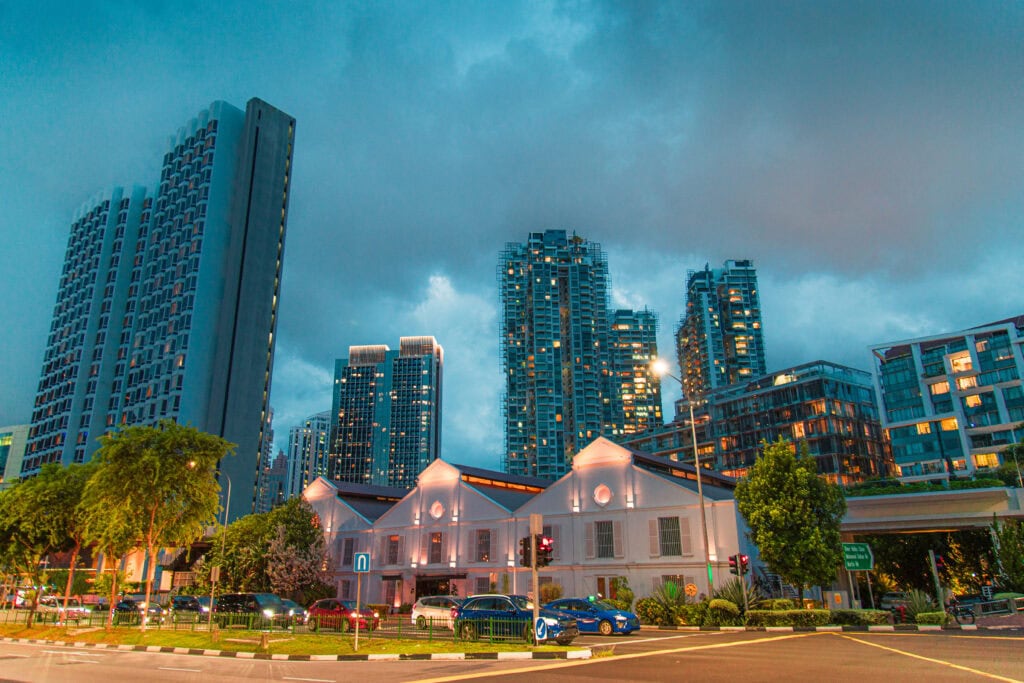
Staying in Tanjong Pagar for Dining and Central Access
Tanjong Pagar is one of Singapore’s most interesting areas for travellers who care as much about food as they do about convenience. For European visitors, it offers a mix of heritage shophouses, sleek skyscrapers and a dense concentration of places to eat, all within walking distance of key business and leisure districts.
Set on the edge of Singapore’s Downtown Core, Tanjong Pagar sits between the Central Business District and historic Chinatown, forming a compact base that features prominently among the best areas to stay in Singapore for first-time visitors. From here, you can walk to many attractions or connect quickly by MRT to the rest of the city.
This guide focuses on tanjong pagar hotels singapore that work well for food-focused stays and central access, explaining how the area fits into Singapore’s wider layout and what kind of traveller it suits.
Why Tanjong Pagar Works as a Central Base
Compared with other central stays in Singapore, Tanjong Pagar feels compact and legible. The main spine is Tanjong Pagar Road, running parallel to Anson Road and the CBD towers, with a tight grid of side streets packed with cafes, bistros and Korean barbecue joints. For visitors arriving from Europe after a long-haul flight, this ease of navigation is a quiet advantage: very little feels overwhelming once you have oriented yourself around the MRT station and a few landmarks.
In practical terms, staying in the tanjong pagar area hotels places you within the broader Downtown core. The CBD proper, with Raffles Place and Shenton Way, is a short walk or one MRT stop away, while Chinatown is a gentle stroll uphill. This means you are central without being in the most corporate or tourist-heavy streets, creating a more balanced sense of city life.
For those planning to explore multiple food districts Singapore is known for, Tanjong Pagar’s position is also strategic. You can move easily between the hawker centres and heritage lanes of Chinatown, the bars and riverside restaurants around Boat Quay, and the modern dining rooms of Marina Bay, all without long transfers.
The Dining Landscape Around Tanjong Pagar Hotels
The editorial focus in Tanjong Pagar is unmistakably food. The streets around Tanjong Pagar Road, Tras Street and Duxton Hill are lined with converted shophouses where restaurants, wine bars and izakayas sit side by side with coffee roasteries and dessert bars. Guests staying in nearby hotels can honestly treat the neighbourhood as an extended hotel dining quarter.
One of the area’s signatures is its strong Korean presence. On Tanjong Pagar Road itself, you will find clusters of Korean barbecue and fried chicken spots, giving the street a casual, late-night energy. Interspersed among them are Japanese eateries, modern European bistros, and understated cocktail bars hidden behind unmarked doors. This variety is ideal if you prefer to eat in a different style every evening without planning far ahead.
While the area offers plenty of sit-down restaurants, it also connects easily to Singapore’s hawker culture. Maxwell Food Centre and Amoy Street Food Centre are both walkable from most tanjong pagar hotels singapore, providing access to classic dishes such as chicken rice, laksa and char kway teow in a more everyday setting. This duality between polished dining rooms and informal hawker stalls is one of the reasons many repeat visitors gravitate back to Tanjong Pagar.
Types of Tanjong Pagar Area Hotels and Their Dining Appeal
The hotel mix in Tanjong Pagar is diverse, which makes it easier to match your preferred style of stay with the dining culture around you. At one end of the spectrum, you have international high-rise properties integrated into office and residential towers. These often come with rooftop or high-floor bars that overlook the port and city skyline, giving you a refined setting for a first-night drink after arriving from Europe.
At the other end are boutique hotels housed in restored shophouses along Duxton Road, Keong Saik Road and the surrounding lanes. These smaller properties place you right inside some of the most atmospheric food districts Singapore offers, where pavement tables, lantern lighting and narrow streets create a more intimate experience. The trade-off is usually fewer on-site facilities but richer street life on your doorstep.
Between these two, there are mid-range properties and serviced residences that appeal to business travellers and longer stays. Their draw for food-focused visitors lies less in in-house restaurants and more in reliable walking access to the neighbourhood’s dining streets. Many guests use the hotel simply as a quiet base and treat the surrounding lanes as an extended living room and kitchen.
Getting Around: MRT, Walking and Access to Other Districts
Tanjong Pagar MRT station (East–West Line) is the primary transport anchor for the area. From here, you can ride directly to Changi Airport with a simple line change, or cross the city to areas like Bugis and City Hall. The station’s multiple exits feed directly into the major streets where most Tanjong Pagar hotels cluster, meaning you seldom need more than a few minutes’ walk between train and lobby.
For exploring central Singapore, walking often makes more sense than public transport. Chinatown, with its temples and wet markets, is about 10–15 minutes on foot. Raffles Place and the riverside areas of Boat Quay and Clarke Quay require a slightly longer walk, but reward you with riverfront dining and evening views of the skyline. Marina Bay itself connects well from nearby Raffles Place and Downtown stations, offering an easy transition from Tanjong Pagar’s low-rise shophouses to the city’s most iconic waterfront.
Travellers comparing central stays sometimes weigh Tanjong Pagar against Marina Bay or Orchard Road. Marina Bay has grander vistas and more formal surroundings, while Orchard Road focuses on retail and mall culture. Tanjong Pagar sits somewhere in between: close enough to enjoy those districts, yet grounded in a more lived-in, neighbourhood feel. For a fuller orientation to Singapore’s main bases, the broader overview of Singapore neighbourhoods for visitors is useful context.
Neighbourhood Atmosphere: Balancing Heritage and Modernity
One of Tanjong Pagar’s strengths is the way it balances old and new. Rows of two- and three-storey shophouses, many with original facades and shutters, sit at the foot of glass office towers. This layering creates a sense of historical continuity without turning the area into a museum piece, and it is particularly noticeable around Duxton Hill and Keong Saik Road.
During the day, the area feels businesslike but not sterile, with office workers spilling out to cafes at lunch and after work. By evening, lights and music from bars and restaurants add warmth, while side streets remain largely residential and quiet. For European travellers used to dense urban quarters, the scale feels human and approachable, with plenty of shaded sidewalks and pockets of greenery.
The demographic mix is also broad. You will see office staff, long-term expatriates, older residents and visitors all sharing the same coffee counters and food stalls. This diversity reinforces the sense that you are staying in an urban district rather than a resort enclave, a quality many repeat travellers value.
Who Tanjong Pagar Suits – and Potential Trade-Offs
From a purely practical standpoint, Tanjong Pagar works best for travellers who care about centrality and food more than about being next to a single flagship attraction. If your ideal trip revolves around tasting local dishes, exploring multiple food districts Singapore is famous for, and walking back to your room afterwards, the area aligns closely with those priorities.
Business travellers often favour Tanjong Pagar because it offers easy access to offices in the CBD and nearby precincts, while still providing after-hours dining choices that feel local rather than conference-oriented. Couples and solo travellers interested in design, coffee culture and contemporary Asian cuisine also tend to appreciate the neighbourhood.
The main trade-offs are distance from resort-style leisure areas and limited green spaces. Sentosa and East Coast Park are reachable by public transport or taxi but are not on your doorstep. Families seeking large pool decks and theme-park proximity may prefer other central stays closer to the water. Noise can also vary: shophouse streets with late-opening bars may feel lively into the night, while hotel towers set slightly back from the main strips are quieter but less atmospheric.
Practical Tips for Staying in Tanjong Pagar
Use Tanjong Pagar MRT as your anchor: Learn which station exit is closest to your hotel; this makes returning after evening meals in other districts straightforward.
Plan for heat and humidity: Distances are short, but Singapore’s climate can feel intense. Combine short walks with MRT hops or taxis, especially around midday.
Book meals on weekends: Popular restaurants on Duxton Hill, Keong Saik and Tras Street can be busy on Friday and Saturday nights; plan ahead for specific venues.
Explore hawker centres at off-peak times: Visit Maxwell Food Centre or Amoy Street Food Centre slightly before or after lunch to avoid the heaviest queues.
Be mindful of dress codes: Most shophouse restaurants are relaxed, but some high-floor hotel bars and finer dining rooms may expect smart-casual attire.
Respect local norms in residential lanes: Several heritage streets mix homes with nightlife; keep conversations low late at night when returning to your hotel.
Use nearby bus routes for short hops: Buses along Anson Road and Neil Road can be a comfortable alternative to the MRT for short inner-city journeys.
Combine Tanjong Pagar with other precincts: Consider structuring your days to pair heritage walks in Chinatown with evenings in Tanjong Pagar’s dining streets.
FAQs About Tanjong Pagar Hotels in Singapore
Is Tanjong Pagar a good area to stay in Singapore for food?
Yes. Tanjong Pagar is one of the most food-focused central neighbourhoods, with dense clusters of Korean, Japanese and modern Asian restaurants, plus easy access to nearby hawker centres and the wider food districts Singapore is renowned for.
How central are tanjong pagar hotels singapore compared with Marina Bay or Orchard?
Tanjong Pagar is within the broader Downtown area, slightly southwest of Marina Bay and south of Chinatown. It is more compact and neighbourhood-like than Orchard Road, yet still within a short MRT ride or walk of major business and sightseeing zones.
Are tanjong pagar area hotels suitable for first-time visitors?
They work well for first-time visitors who prioritise dining and central connectivity over being next to a single landmark. The area’s straightforward layout and MRT access make it easy to explore other parts of the city.
Is Tanjong Pagar within walking distance of other popular areas?
From most Tanjong Pagar hotels, you can walk to Chinatown in around 10–15 minutes and to Raffles Place and the riverside in 15–20 minutes. Marina Bay and Clarke Quay are reachable with a combination of short walks and one- or two-stop MRT journeys.
How does Tanjong Pagar compare to other central stays for nightlife?
Tanjong Pagar’s nightlife is more about intimate bars, wine-focused venues and late-opening eateries than large clubs. It offers a relaxed yet refined evening scene, with easy connections to livelier riverside areas if you want more variety.
Conclusion
Tanjong Pagar offers a distinctive blend of heritage streets, contemporary dining and direct access to Singapore’s central business and leisure areas. For visitors who value food culture and walkable urban neighbourhoods, tanjong pagar hotels singapore provide a balanced base: central without being overly formal, lively without losing a sense of everyday life. The main considerations are distance from resort-oriented waterfront areas and the occasionally busy evening streets, but for many travellers these are small trade-offs in return for such a concentrated and characterful slice of the city.
Recommended next:
- Where to Stay in Singapore CBD for Business and Leisure
- Best Boutique Hotels in Singapore for Design Lovers
- Luxury Hotels near Singapore MRT Stations
- Best Rooftop Pool Hotels in Singapore
- Best Areas to Stay in Singapore Without Breaking the Bank
- Where to Stay in Singapore for First-Timers: Simple Area Guide
- More in Singapore →