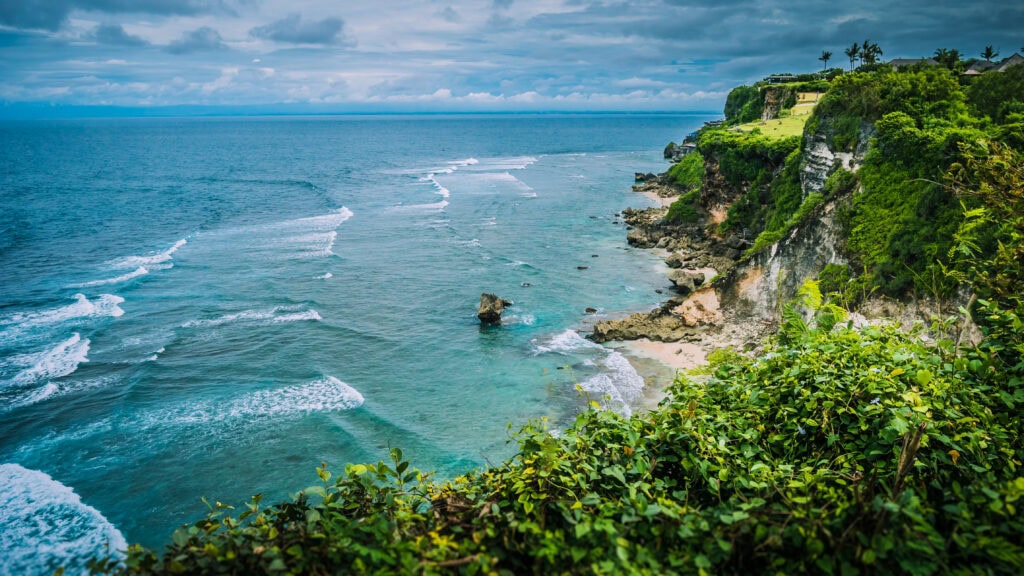
Where to Stay in Uluwatu: Clifftop Views, Surf Access and Calm Nights
This guide is for European travellers who want Uluwatu to be their base for ocean views, consistent surf and quieter evenings than Bali’s busier resort areas. Understanding where to stay in Uluwatu is key, as the peninsula is spread along cliffs and coves rather than one central beach strip.
Uluwatu sits on Bali’s Bukit Peninsula, south of the airport, and is known for its dramatic limestone cliffs, Indian Ocean swells and a slower, more contemplative rhythm than Seminyak or Canggu.
Understanding Uluwatu: Clifftop Villages Rather Than One Beach Town
When people talk about the “Uluwatu best area”, they often imagine a single walkable town focused on surf and sunsets. In reality, Uluwatu is a series of clifftop neighbourhoods and beach access roads that curve along the southwestern tip of Bali. Distances are short, but the elevation and layout mean that where you base yourself will shape your stay.
The main stay areas fan out along the coastal road: Bingin, Padang Padang, Labuan Sait, Blue Point (around Uluwatu Temple and Suluban), and further south towards Nyang Nyang. Each pocket offers a different balance of surf access, dining and evening atmosphere, yet almost everywhere shares similar hallmarks: big skies, open horizons and a quieter nightlife compared with Kuta or Legian.
Most guests rely on scooters or private cars to move between the clifftops and the beaches. Walking is enjoyable for short distances within each pocket, but steep stairways and hills separate the cliff from the sand, and pavements are patchy. Choosing the right section of coast can minimise daily transfers and keep you close to the breaks or viewpoints that matter most to you.
Staying Near Uluwatu Temple and Suluban: Iconic Cliffs and World-Class Surf
If your idea of Uluwatu centres on sheer cliffs, classic surf photos and dramatic sunsets, the area around Uluwatu Temple and Suluban Beach is one of the most atmospheric places to stay. This clifftop stretch is home to some of the most recognisable images of Bali: tiered rock ledges, bright turquoise water and surfers dropping into long left-handers far below.
Here, many Uluwatu hotels and guesthouses cling to the cliff rim, often with terraces that look straight onto the break. Access to the beach and surf is via steep steps down through warungs and cave openings. It is not the easiest stretch for swimming, but for confident surfers and those who simply want to watch the sets roll in, it is hard to rival.
The vibe is focused on surf and sunsets rather than late-night bars. Evenings tend to revolve around clifftop dinners, quiet drinks overlooking the ocean and, on some nights, traditional Kecak performances at Uluwatu Temple. It suits travellers who prioritise views and atmosphere over sand-between-your-toes convenience, and who do not mind using steps and scooters daily.
Bingin Beach: Intimate Clifftop Lanes and Laid-Back Sands
For many visitors considering where to stay in Uluwatu, Bingin hits a comfortable middle ground. Perched along a low cliff above a small bay, it combines easy surf access with a more intimate village feel. Narrow lanes weave between villas, small hotels and homey cafes, with viewpoints opening unexpectedly onto wide ocean panoramas.
From most accommodations, you descend a stairway to reach the sand. At high tide, the beach feels compact, framed by rocky outcrops; at low tide, there is room to wander, explore tide pools and watch surfers line up on the reef. This makes Bingin a good option for couples or friends who want a beach they can enjoy even if not everyone surfs.
The evenings are relaxed, with simple seafood dinners on the beach at certain times of year, and low-key gatherings at clifftop terraces. Nightlife is understated, and by late evening, Bingin generally winds down to the sound of waves. Those looking for a calm night’s sleep within earshot of the ocean rather than club noise tend to feel at home here.
Padang Padang and Labuan Sait Road: Balanced Base for Exploring Uluwatu Beaches
Staying near Padang Padang Beach and along the main Labuan Sait Road suits travellers who want flexibility. This zone sits roughly between Bingin and Uluwatu Temple, and offers straightforward road access north and south, making it an effective base for exploring different Uluwatu beaches during your stay.
Accommodation here is a mix of boutique hotels, simple guesthouses and villas set slightly back from the cliff, creating a quieter, greener environment. While you may not wake up right on the edge of the ocean, you can often walk or take a very short ride to Padang Padang’s sandy cove, and reach other beaches within a 10–15 minute drive.
Padang Padang’s main break is a well-known surf spot, but the shoreline near the bridge also offers gentler sections that can be more approachable for intermediate surfers depending on conditions. The area’s dining scene is more concentrated than in some other pockets, with cafes, smoothie bars and restaurants lining the main road. This makes it a practical choice for travellers who value both surf access and an easy dinner without planning far in advance.
Impossibles and Balangan: Quiet Clifftops with Long Views
North of Bingin, the coasts around Impossibles and Balangan Beach feel a little more open and breezy. The cliffs here offer wide, sweeping views over the Bukit coastline, with long sections of reef and sand visible at low tide. These areas are popular with more experienced surfers, particularly when swells line up along the outer breaks.
Impossibles lives up to its name for many casual beachgoers: access to the water can be tricky at certain tides, and the surf tends to be powerful. Balangan, by contrast, offers a long sandy crescent backed by casual warungs, and can feel more accessible for beach days, with a spacious shoreline and photogenic headlands at each end.
Staying here suits those who prefer a quieter coastal experience and do not mind relying on scooters or drivers to reach other parts of Uluwatu. With fewer late-night venues, nights are generally calm, and the primary soundtrack is the surf. The trade-off is that you will be a little farther from Uluwatu Temple and some of the more densely clustered cafes.
South Uluwatu and Nyang Nyang: Secluded Escapes and Wild Coastline
Travellers seeking a sense of remoteness and uninterrupted horizons often look to the southern edges of Uluwatu, around Nyang Nyang and the coast beyond the temple. Here, the cliffs feel higher, the beaches less developed and the atmosphere more contemplative. Nyang Nyang in particular is known for its long strip of sand, which can feel strikingly quiet compared with other parts of Bali.
Many properties in this zone sit high on the clifftop, emphasising privacy, space and expansive views. Beach access usually involves a long and steep path, which helps preserve the sense of seclusion but demands a reasonable level of fitness and planning, especially in the heat of the day.
This is not the best choice if you plan to surf multiple breaks each day and move around frequently. It works better for travellers who want to settle into a slower rhythm: mornings on balconies with ocean views, occasional beach walks, and evenings that end early in deep quiet. Dining and services are more dispersed, so it is worth considering how comfortable you are with relying on in-house options or pre-arranged transport.
Choosing Between Clifftop Calm and Direct Beach Access
Much of the decision about where to stay in Uluwatu comes down to your preferred balance between clifftop seclusion and immediate access to the sand. The clifftop locations deliver the most cinematic views: uninterrupted horizons, elevated sunsets and the ability to watch waves peel along the reefs far below. However, this usually means factoring in stairs or scooter rides every time you go for a swim or a surf.
Staying closer to water level, as at parts of Bingin or Balangan, brings you nearer to the beach at the expense of the broadest panoramas. You trade some drama for ease: shorter walks, smoother returns after a long surf session, and more straightforward access for families or anyone who prefers to avoid long staircases.
For many European travellers planning several days or longer, a central base around Padang Padang or Bingin offers a good compromise: close to several Uluwatu beaches, a range of Uluwatu hotels at different comfort levels, and simple logistics for heading north to Balangan or south to the temple and Nyang Nyang for sunset.
Practical Tips for Staying in Uluwatu
- Transport: The area is spread out, so factor in scooter hire or a reliable driver; walking between beaches can be hot and hilly.
- Airport transfers: Denpasar Airport is typically 45–75 minutes away depending on traffic; allow extra time for arrivals and departures.
- Cliff stairs: Many Uluwatu beaches require steep staircases; consider light luggage and suitable footwear if your hotel is down or up a cliff path.
- Surf logistics: Reef breaks dominate here; reef-safe booties and awareness of tides are helpful for anyone planning to surf regularly.
- Sun exposure: Clifftop breezes can disguise strong sun; carry a hat, high-factor sunscreen and enough water, especially on temple or beach walks.
- Evening atmosphere: Nights are generally quiet; if you prefer low noise, choose accommodation away from the few bars that host regular events.
- Cash and payments: Many cafes and mid-range spots accept cards, but some small warungs or beach stalls remain cash-only.
- Dress and culture: Around Uluwatu Temple, shoulders and knees are covered with sarongs; at beaches, standard swimwear is common, but modest clothing is appreciated away from the sand.
- Road conditions: Expect narrow, winding roads and occasional potholes; driving after dark demands extra care due to limited street lighting.
- Seasonal swell: Surf conditions and crowds shift with the dry and wet seasons; if you are not surfing, shoulder seasons can feel calmer on the cliffs.
FAQs About Where to Stay in Uluwatu
What is the best area in Uluwatu for first-time visitors?
For a first stay, many visitors choose the Padang Padang and Labuan Sait area or Bingin. Both offer relatively central access to multiple Uluwatu beaches, a good choice of cafes and a balance between ocean views and practical logistics. They make it easier to explore the broader peninsula without long daily journeys.
Which part of Uluwatu is best for surf-focused stays?
For dedicated surfers, staying near Uluwatu Temple and Suluban, or around Padang Padang, keeps you closest to famous reef breaks. Impossibles and Balangan also appeal to experienced surfers, though these areas feel slightly more removed from the rest of the peninsula. In all cases, reef awareness and understanding of local conditions are important.
Where should I stay in Uluwatu for calm nights and quieter surroundings?
For particularly peaceful evenings, look to Bingin’s quieter lanes, the clifftops near Balangan, or the more secluded properties around Nyang Nyang and south Uluwatu. These areas generally wind down early, with minimal late-night noise beyond the sound of the ocean.
Are there areas in Uluwatu that suit non-surfers?
Yes. Bingin, Balangan and some sections near Padang Padang are well-suited to non-surfers who simply enjoy beach walks, viewpoints and watching the waves. Staying slightly inland from the cliff rim can provide a greener, more garden-like feel while still keeping Uluwatu’s coastal scenery within easy reach.
Is Uluwatu a good base for exploring other parts of Bali?
Uluwatu works best as a coastal base rather than an island-wide hub. It is ideal if your focus is on Uluwatu beaches, clifftop sunsets and surf, with occasional day trips to nearby Jimbaran or Nusa Dua. For broader sightseeing across Bali, many travellers combine Uluwatu with time in areas like Ubud or central south Bali to reduce travel times.
Conclusion
Choosing where to stay in Uluwatu is primarily about how you want to experience the cliffs and the ocean. Temple-side clifftops provide instant drama and renowned surf; Bingin and Padang Padang balance scenery with practical access; Balangan and the far south lean towards space, solitude and night-time quiet. Each area shares the same horizon, but the feel on the ground shifts subtly from bay to bay, allowing you to match your base to your rhythm between surf, views and calm evenings.
Recommended next:
- Where to Stay in Bali for First-Time Visitors
- Bali Itinerary 7 Days: Ubud + Beaches with Smooth Transfers
- Bali Itinerary 10 Days: Add Nusa Islands and Slow-Luxury Days
- Bali in 5 Days: Best Highlights Without Feeling Rushed
- Best Time to Visit Bali: Month-by-Month Weather and Crowd Reality
- Bali Travel Costs: Daily Budget for Comfortable (Not Backpacker) Trips
- More in Bali →