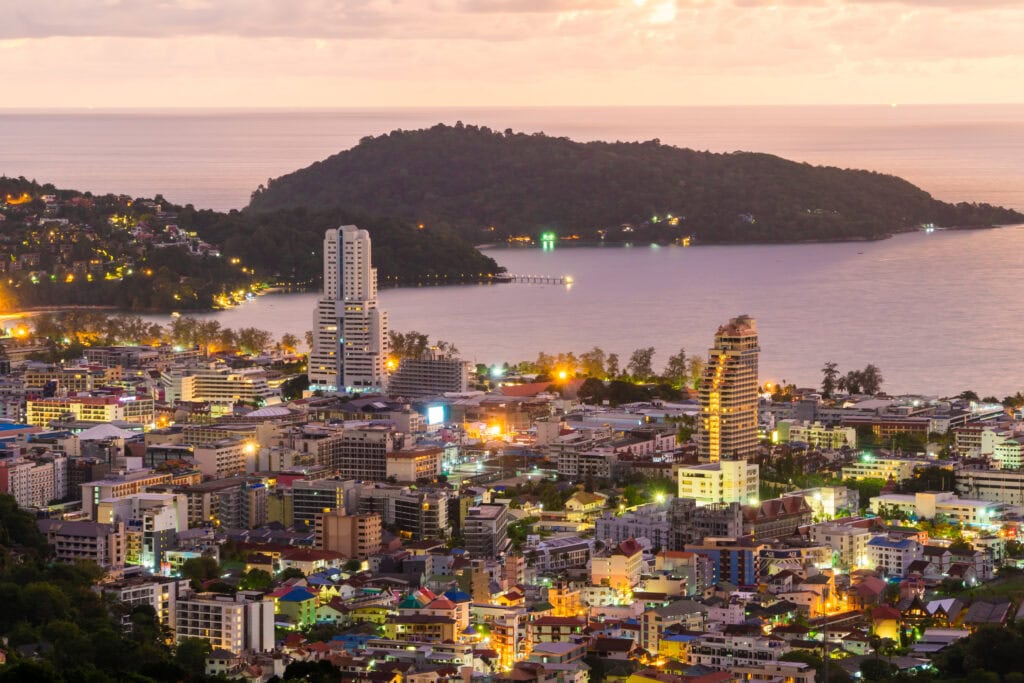
Introduction: A Cultural Base in Old Phuket Town
This guide is for European travellers who prefer heritage streets, cafés and creative culture over beach clubs, yet still want easy access to Phuket’s coast. Choosing where to stay in Phuket Town shapes how you experience the island, especially if you value walkable neighbourhoods, local food and architecture more than resort pools.
Old Phuket Town makes a compelling counterpart to Bangkok’s urban energy; many visitors first get their bearings with a wider overview of Thai cities such as in orientation-focused Bangkok neighbourhood guides and then extend their cultural journey south to Phuket’s historic core. In practical terms, Phuket Town is the island’s compact administrative and cultural centre, around 30–45 minutes by road from the main west-coast beaches and the airport.
Staying here places you among Sino-Portuguese shophouses, street shrines and markets, with beaches, viewpoints and islands treated as day trips rather than your sole focus.
Why Choose Phuket Town as Your Cultural Base
Phuket Town is the most rewarding choice for travellers who see Phuket as more than just sand and sea. The Old Town area concentrates much of the island’s history, from Peranakan mansions to Chinese shrines and European-influenced façades, creating an atmospheric setting for slow, exploratory days.
Compared with the developed beach strips of Patong or Karon, a Phuket Town stay feels calmer, more lived-in and more oriented towards local life. You can wander past restored shophouses in pastel colours, stop for a coffee in a third-wave café housed in a century-old building, and end the day in a small bar listening to live jazz or acoustic sets.
For Europeans, the appeal lies partly in contrast: dense, characterful streets rather than a linear beachfront promenade, and a chance to understand the island’s multi-layered identity—Chinese, Malay, Thai, and colonial influences all visible in a few blocks.
Phuket Town also works well as a logistical base. Buses and shared vans connect you to major beaches, the pier for island-hopping, and the airport, while ride-hailing apps and local taxis make evenings and early departures relatively straightforward.
Key Areas in and Around Old Phuket Town
When thinking about where to stay in Phuket Town, it helps to break the centre into a few walkable zones. Distances are short, but each area has a slightly different feel and convenience level.
Thalang Road and the Historic Core
Thalang Road is the postcard street of Old Phuket Town, lined with elaborately decorated Sino-Portuguese shophouses, lanterns and wooden shutters. Staying on or just off this road puts you at the heart of the historic quarter.
This area suits travellers who want to step out of their old Phuket Town hotels directly into the most photogenic streets, with cafés, small galleries and boutiques on the doorstep. On Sundays, the road turns into a lively walking street market, with street food, crafts and occasional live performances. Expect a gentle buzz into the evening but little late-night noise compared with beach resorts.
Dibuk and Krabi Roads: Elegant and Quiet
Running parallel to Thalang, Dibuk and Krabi Roads are slightly quieter but dotted with restored mansions, small museums and charming eateries. They make a refined base if you prefer a touch more tranquillity while still being only a few minutes’ walk from the central streets.
Here you will find a mix of heritage guesthouses and discreet design-focused properties, often with inner courtyards or verandas. The vibe is unhurried; mornings begin with coffee at a neighbourhood café and perhaps a stroll to nearby temples such as Wat Mongkol Nimit, where you can observe daily rituals without crowds.
Romanee and the Side Lanes
Soi Romanee and its neighbouring lanes are some of the most photographed corners of Phuket Town. Narrow, colourful and atmospheric, they once had a notorious reputation but are now home to ice cream parlours, small bars and intimate guesthouses.
Staying in these lanes places you in a very compact, romantic setting. Rooms here tend to be in older shophouses, with some trade-offs in terms of views or parking, but the ambience is hard to match. This suits couples and photographers who prioritise character over space and want to experience the Old Town from the inside rather than as a day visitor.
Clock Tower and Provincial Hall Area
A few minutes’ walk east of the historic core, around the landmark clock tower and Provincial Hall, the town becomes slightly more modern and administrative in feel. Streets are wider, with more banks and offices, but there are also several mid-range hotels popular with domestic travellers.
This zone works well if you plan to move around the island frequently and want easy access to main roads and public transport. Bus stops for beaches and intercity routes are typically closer here, while the Old Town’s atmospheric streets remain within walking distance for evening strolls and dinners.
Cafés, Markets and Everyday Life in Phuket Town
One of the main reasons to base yourself in Phuket Town is the everyday rhythm of cafés and markets. Rather than being limited to resort restaurants, you can explore a broad range of local and international flavours within a small radius.
Phuket cafés and markets are woven into the daily life of residents. In the mornings, traditional coffee shops serve strong local brews with kaya toast, while contemporary specialty cafés offer espresso and pour-over in minimalist interiors. Many occupy historic shophouses with tiled floors and high ceilings, creating a pleasing blend of old and new.
Markets provide another layer of local texture. The central fresh market is busy from early morning, with stalls of herbs, seafood and tropical fruit. Nearby, food courts offer simple noodle soups, rice dishes and snacks popular with office workers and students. In the evenings and at weekends, various night markets appear around the Old Town, complementing the walking street on Thalang Road.
For European visitors, these settings make it easy to sample Thai and Peranakan food styles in small portions, observe local habits and adjust between flavoursome street dishes and more familiar café-style breakfasts or lunches.
What to Expect from Old Phuket Town Hotels
Old Phuket Town hotels tend to be smaller and more individual than the large beachfront properties elsewhere on the island. Many are housed within converted shophouses, low-rise buildings or restored mansions, and the experience is more about atmosphere than extensive facilities.
Rooms in heritage buildings may feature original tiled floors, wooden shutters and high ceilings, sometimes balanced by contemporary bathrooms and minimalist furnishings. Space can be more limited than in purpose-built hotels, especially in narrow shophouses, but you gain a stronger sense of place. Modern properties just outside the core often provide a little more room, lifts and broader amenities while still being within walking distance of the Old Town.
If your priority is a Phuket Town stay that feels rooted in the destination, look for accommodation that preserves architectural details and integrates local design elements. Some properties curate small exhibitions on Phuket’s history or display old photographs in public spaces, subtly reinforcing the town’s narrative.
Noise levels are generally moderate, but streets can become lively during festivals, Chinese New Year or the Sunday walking street. Those sensitive to sound may prefer lanes away from the main market areas or rooms facing interior courtyards rather than the road.
Using Phuket Town as a Base for Day Trips
One of the strengths of staying in Phuket Town is how easily you can convert it into a hub for varied day trips, returning each evening to a calm, cultural base. The town’s location in the centre-east of the island makes it relatively convenient for both coastal and inland excursions.
Boat trips to nearby islands, including groups in Phang Nga Bay and the offshore islets south of Phuket, typically depart from piers a short drive from town. This can mean slightly shorter morning transfers compared with some west-coast beaches, and an early return that leaves time for a relaxed dinner in the Old Town.
Overland, Phuket Town sits on the main road network, making it straightforward to reach viewpoints such as Khao Rang, temples on the hills, or west-coast beaches like Kata and Nai Harn for afternoon swims. Public buses from the central station provide a low-key, local way of travelling to the main beaches during the day, while taxis or ride-hailing apps are more practical for early departures and evening returns.
Inland attractions, including rubber plantations, small waterfalls and local villages, are also accessible from town. Staying here means you can balance beach time, countryside drives and cultural wandering without feeling tied to a single resort zone.
Who Phuket Town Suits – and Who It Does Not
Choosing where to stay in Phuket Town works best for travellers who see beach days as part of a wider itinerary rather than the dominant focus. It suits visitors who enjoy walking, are curious about architecture and food, and appreciate having independent cafés and small bars rather than a single all-purpose resort environment.
European travellers familiar with historic quarters in cities like Lisbon, Palermo or Porto often find Old Phuket Town appealing: compact, layered with history, and best explored slowly. It is also a good option for longer stays, where having a diversity of dining and coffee options within a few blocks helps keep routines pleasant.
On the other hand, those seeking a classic resort experience with direct beach access, multiple pools and on-site entertainment may find the town-based approach less convenient. Families with very young children who expect to move frequently between room and beach during the day might prefer to sleep near the coast and visit the Old Town as a day trip instead.
Phuket Town’s evenings are atmospheric rather than high-energy; there are bars and some live music, but not the large-scale nightlife of Patong. Travellers prioritising late-night scenes may wish to factor in taxi rides to and from the beaches if they still choose to base themselves in town for the cultural advantages.
Practical Travel Tips for Staying in Phuket Town
- Use the airport bus or pre-arranged transfers: Phuket Town is around 30–45 minutes from the airport, and the airport bus terminus is conveniently close to the Old Town, though ride-hailing offers more flexibility for late-night arrivals.
- Expect warm, humid walks: Distances are short, but the climate is tropical. Plan walks for mornings and evenings, and use shaded streets or indoor stops at cafés during the midday heat.
- Check festival calendars: Chinese New Year, the Vegetarian Festival and other events bring processions, firecrackers and temporary street closures. The atmosphere is memorable, but noise and traffic can increase.
- Learn a few temple norms: Shoulders and knees should be covered when visiting local temples; carry a light scarf or shawl for spontaneous visits while exploring the town.
- Use local buses for daytime beach visits: Songthaews (local buses) run from central Phuket Town to key beaches, offering a slower but inexpensive way to see the island during the day.
- Plan for rain showers: In the wet season, sudden downpours are common. Many shophouse arcades offer shelter, and it is worth keeping a compact umbrella or light rain jacket with you.
- Carry cash for markets: Cafés widely accept cards, but smaller stalls at markets and in older eateries may be cash-only, especially for snacks and street food portions.
- Respect residential streets at night: The Old Town is a lived-in neighbourhood; keep noise low when returning late along narrow lanes lined with family homes.
FAQs about Staying in Phuket Town
Is Phuket Town a good place to stay instead of the beaches?
Phuket Town is an excellent base if you prioritise culture, cafés and markets over constant beach access. You can still visit the coast by day trip while enjoying a more local, historic environment in the mornings and evenings.
How many nights should I plan for a Phuket Town stay?
Two to three nights allow time to explore the Old Town, sample several cafés and markets, and fit in at least one day trip. Those interested in photography, food and slower travel often stay longer and use the town as a hub for varied excursions.
Are old Phuket Town hotels suitable for families?
Many heritage properties are small and may have stairs instead of lifts or compact rooms, so families should check layouts in advance. That said, the calm streets, easy dining options and accessible day trips can work well for older children who enjoy urban exploring.
Is Phuket Town safe to walk around at night?
The central Old Town feels generally comfortable for evening walks, with plenty of locals and travellers frequenting cafés, bars and dessert shops. As in any city, normal precautions apply: keep valuables secure and use taxis or ride-hailing if returning late from more distant areas.
What is the best area in Phuket Town for cafés and markets?
The streets around Thalang, Dibuk and Krabi Roads offer the densest concentration of Phuket cafés and markets within walking distance. Staying near these streets ensures you are close to both traditional food stalls and contemporary coffee shops.
Conclusion
Staying in Phuket Town offers a contrasting way to experience Thailand’s most famous island, centred on heritage streets, galleries, shrines and sociable cafés rather than beachfront loungers. The trade-off is clear: you gain immediate access to culture, food and local life while treating beaches and islands as day trips, rather than stepping directly from your room onto the sand.
For European travellers who value atmosphere, walkability and a sense of history, the Old Town provides a calm and characterful base from which to understand Phuket in its wider context, beyond the shoreline.
Recommended next:
- Thailand Itinerary 10 Days: Bangkok, Chiang Mai & Islands for First-Timers
- Thailand Itinerary 14 Days: Classic Route with Beaches and Northern Culture
- Thailand in 7 Days: Bangkok + One Beach Base (No Rushing)
- Best Time to Visit Thailand: Month-by-Month Weather for Europeans
- Thailand Travel Costs: Realistic Daily Budget for European Travelers
- Thailand Travel Insurance Guide: What to Cover and What to Skip
- More in Thailand →