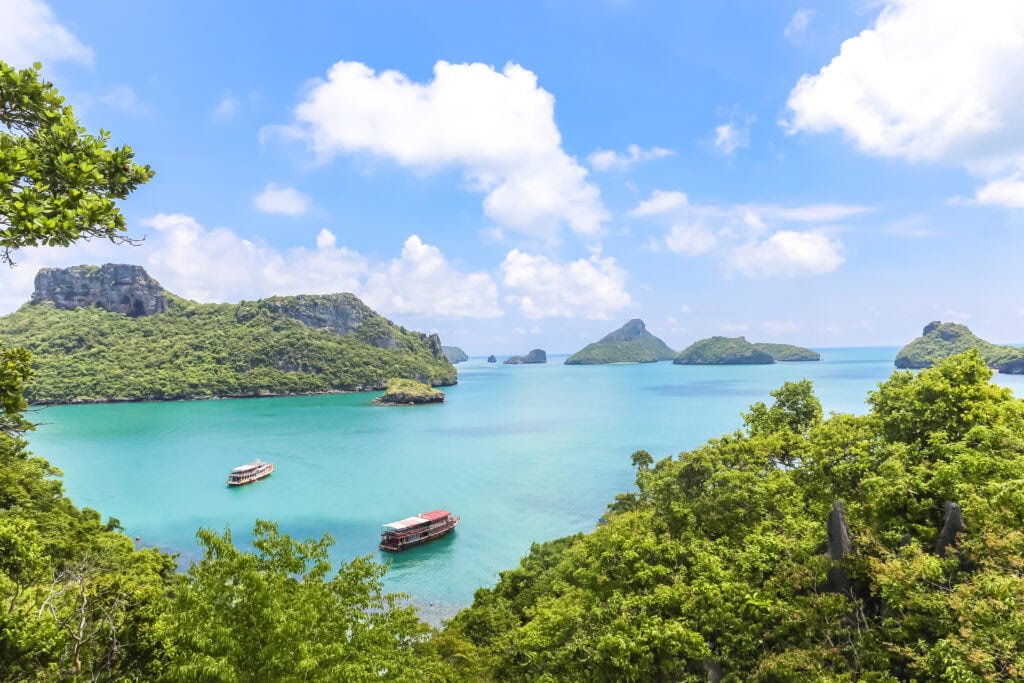
Introduction: Matching Your Koh Samui Beach to Your Mood
This guide is for European travellers weighing up where to stay in Koh Samui, and specifically choosing between the island’s three most popular beaches: Chaweng, Bophut and Lamai. It focuses on the feel of each area rather than individual places, helping you match the right stretch of sand to your preferred pace, atmosphere and style of holiday.
On a first trip to Thailand, many visitors combine Koh Samui with a few days in the capital, so it can be helpful to pair this with broader advice on how different Bangkok neighbourhoods work for first-time visitors. In a similar way, understanding Koh Samui’s main coastal zones gives shape to your time on the island and avoids landing somewhere that feels out of sync with your expectations.
Koh Samui sits in the Gulf of Thailand, east of the mainland, with Chaweng on the northeast coast, Bophut to the north and Lamai a little further south on the east coast. Distances are short, but the character of each bay is surprisingly distinct.
Understanding Koh Samui Areas: A Quick Orientation by Vibe
When people ask about the best area in Koh Samui to stay, what they usually want to know is: which beach atmosphere will feel right for me? The island’s coastal strip is essentially a necklace of bays, yet the rhythm shifts markedly as you move between Chaweng, Bophut and Lamai.
- Chaweng – the busiest and most urban-feeling beach, with a long sweep of soft sand, shallow water and the highest concentration of bars and nightlife.
- Bophut – a calmer north-coast bay centred on Fisherman’s Village, combining a refined village feel with stylish cafes and a low-rise, family-friendly ambience.
- Lamai – a laid-back east-coast alternative to Chaweng, with a slightly older crowd, softer nightlife and easy access to some of the island’s natural sights.
All three areas are within a 15–30 minute drive of each other and the airport, but your immediate surroundings will define how your holiday feels day to day. Chaweng suits those who want activity on the doorstep, Bophut fits travellers who like to stroll out to dinner in an atmospheric setting, while Lamai leans into unhurried beach time with enough infrastructure to stay comfortable.
Chaweng: Lively and Social, with Classic Beachfront Energy
Chaweng is the island’s best-known resort strip, and often the first answer when people discuss where to stay in Koh Samui. It stretches along a crescent of fine sand and clear, shallow water, ideal for long swims and morning walks. Behind the beach runs a busy main road lined with restaurants, bars, massage pavilions and small shops.
The vibe in Chaweng is distinctly energetic. During the day the beach is dotted with loungers and casual beach clubs, and in the evening the area comes alive with music, cocktails and a sociable crowd. It draws a broad mix of ages, but skews younger than Bophut or Lamai, particularly around the central section.
In terms of practicality, Chaweng is one of the best-connected koh samui areas. It lies only a short drive from the airport, and songthaews (shared pick-up taxis) circulate frequently along the main road, making it easy to reach other parts of the island for day trips. The beach itself is walkable end to end, though distances can still feel long in the heat.
The trade-offs are mostly about peace and authenticity. Central Chaweng can feel busy, especially in the evenings, and nightlife noise can carry well into the night near the most animated sections. For some, this is precisely the appeal; for others, it may feel out of step with a more restorative beach break. Northern and southern Chaweng tend to be quieter but still within reach of the action, suiting those who want energy close by without being in the thick of it.
Bophut and Fisherman’s Village: Refined, Atmospheric and Walkable
Bophut occupies a sheltered bay on the north coast and has a distinctly different character to Chaweng. The heart of the area is Fisherman’s Village, a low-slung waterfront strip with a mix of restored wooden houses, boutiques, cafes and restaurants opening onto a narrow beach. It feels more like a small coastal town than a resort strip.
The overall mood here is relaxed and gently sophisticated. Evenings centre on dining by the water and strolling along the main lane rather than loud nightlife. You will find families, couples and small groups of friends, with a noticeable contingent of European travellers who return year after year. The atmosphere is social but measured, more clinking glasses than late-night dancing.
Bophut is also one of the most walkable koh samui areas. Within Fisherman’s Village you can easily move on foot between the beach, restaurants, cafes and small spas. Outside the core, the area becomes more spread out, but taxis and local transport remain straightforward, and the airport is only a short drive away.
As for the beach itself, Bophut’s sand is slightly coarser than Chaweng’s, and the water can shelve more quickly. It is still pleasant for swimming, but the main appeal lies in the combination of sea, scenery and the village backdrop rather than a pure postcard-perfect strand. For travellers who prioritise atmosphere, dining and an easygoing yet polished setting, Bophut is often the best area in Koh Samui to stay.
The main compromise is that those seeking extensive nightlife or a long, wide beach may find Bophut a little too subdued. That said, its position on the north coast is convenient for boat trips to nearby islands and for exploring inland viewpoints and temples.
Lamai: Relaxed Beach Days with a Softer Nightlife Edge
Lamai sits south of Chaweng on the east coast and offers a middle ground for those deciding between the chaweng bophut lamai triad. The beach is broad and scenic, with clear water that tends to be a little deeper than in Chaweng, which many strong swimmers appreciate. The sand is soft, and the bay feels open and airy.
The vibe in Lamai is slower and more relaxed than in Chaweng, but livelier than the quietest pockets of the island. The main street behind the beach has a good range of restaurants, simple bars and massage spots, yet the overall feeling is more low-key. Nightlife exists, particularly along the central stretch, but it is generally milder and tends to wind down earlier.
Lamai attracts a varied mix of travellers, often including couples and Europeans on longer stays, as well as those returning to Koh Samui who prefer a more settled, village-like feel. It works well if you want a beach that feels lived-in but not hectic, with enough life to keep evenings interesting without dominating the experience.
In terms of orientation, Lamai is a little further from the airport than Chaweng or Bophut, but still within a 30–40 minute drive under normal conditions. From here it is straightforward to reach some of Koh Samui’s natural highlights, such as viewpoints, waterfalls and the well-known rock formations on the coast. The trade-off is that getting to the northern parts of the island, including Bophut or Fisherman’s Village, takes a bit longer, so you are less likely to drift between areas on foot or on a whim.
Comparing Chaweng vs Bophut vs Lamai by Beach Vibe
Choosing where to stay in Koh Samui ultimately comes down to the kind of beach atmosphere that will shape your days and evenings. While you can easily visit all three areas during your stay, your base will inevitably colour the overall mood of your trip.
- For a lively, social holiday: Chaweng is the clear choice. The beach is long and lively, with music, water activities and bars never far away. Ideal if you like to alternate between relaxed days and more animated nights without needing to travel far.
- For a village-like, atmospheric stay: Bophut’s Fisherman’s Village offers charming streets and sea views, with a focus on food, ambience and relaxed evenings. It suits travellers who prefer conversation over crowds and who value character over a vast sweep of sand.
- For a laid-back, classic beach feel: Lamai balances a generous beach with a calm but not sleepy centre. It fits those who want simplicity and space, with enough dining options to vary the experience over a week or more.
Seasonality also plays a role in beach vibe. During busier periods, Chaweng can feel particularly intense, while Bophut and Lamai absorb crowds more gently. In shoulder seasons, the differences can soften somewhat, though the underlying character of each bay remains recognisable.
It is common for travellers to split their time between two areas—perhaps starting with a few nights near the action and then shifting to a quieter bay. Others prefer to settle in one area and treat the others as day or evening excursions, especially when travelling with children or older family members who may appreciate a consistent base.
Who Each Area Suits: Matching Personality to Place
Thinking about who you are travelling with can make the decision between Chaweng, Bophut and Lamai much clearer. Each bay naturally aligns with different types of trips and travel personalities.
- Couples: Many couples gravitate towards Bophut for its intimate scale, sunset dining and strollable Fisherman’s Village. Lamai also works well for couples who favour open beach space and quiet evenings, especially if they enjoy exploring nearby natural sights together. Younger couples seeking nightlife might prefer Chaweng, particularly near the central section.
- Families: Bophut is often a strong fit thanks to its easy walking, calm evenings and relaxed yet structured feel. Chaweng’s shallow sections of beach can suit families with confident sleepers who are unlikely to be disturbed by evening noise, while Lamai provides a good compromise if you want a roomy beach without heavy nightlife.
- Solo travellers and friends: Chaweng offers the easiest setting for meeting others and enjoying a more active social scene, though quieter corners at the northern and southern ends can still provide personal space. Solo travellers who prefer a softer, more local rhythm may feel more at home in Bophut or Lamai.
- Return visitors and longer stays: Those returning to Koh Samui or staying for longer periods often settle in Bophut or Lamai, where the pace is gentler and daily life feels less transient. Over time, the appeal of cafes, markets and regular walking routes tends to outweigh the novelty of constant nightlife.
Age, energy levels and preferred bedtimes all matter more than labels like “party” or “quiet”. A couple in their thirties who enjoy cocktails and live music might find Chaweng invigorating; another of the same age who values early starts and sunrise swims could feel more attuned to Lamai or Bophut.
Getting Around Between Chaweng, Bophut and Lamai
Although picking the best area in Koh Samui to stay is important, the island is compact enough that you are not confined to one bay. Understanding how easy it is to move between Chaweng, Bophut and Lamai can make the choice feel less high-stakes.
The main coastal ring road connects all three, and distances are modest: journeys typically take from 10 to 30 minutes by car, depending on traffic and exact starting point. Taxis, private transfers and songthaews operate along this route. Many visitors use a mix of pre-arranged transfers for longer movements and local transport or taxis for evenings out.
Walking between areas, however, is not realistic due to distance, heat and road conditions. This means that your immediate surroundings will define how spontaneously you can step out for dinner or an evening drink. If you anticipate frequently visiting bars or restaurants outside your base, factor in transport time and the availability of return journeys at night.
From any of the three main bays, you can arrange excursions to outlying islands, snorkelling spots, viewpoints and temples. Being on the north coast in Bophut can be an advantage for certain boat trips, while Chaweng and Lamai give slightly shorter drives to some of the interior viewpoints and waterfalls. These differences are subtle rather than decisive, but worth bearing in mind if you are planning an excursion-heavy stay.
Practical Travel Tips for Staying in Koh Samui’s Main Beach Areas
- Plan transfer times from Samui Airport according to area: Chaweng is closest, Bophut is a short drive along the north coast, and Lamai takes a little longer along the eastern side.
- Use songthaews for simple point-to-point trips between main beaches during the day; at night, taxis or pre-arranged transport are usually more reliable.
- Check how far your accommodation is from the main road or central strip in each bay if you are sensitive to noise, particularly in Chaweng.
- In Bophut, staying within or near Fisherman’s Village greatly increases walkability and reduces the need for constant transport.
- In Lamai, distances can be longer than they appear on a map; consider whether you want to be at the quieter ends of the beach or closer to the central cluster of restaurants.
- Heat and humidity can make even short walks feel longer, so factor this into decisions about how far you are willing to be from the seafront or dining streets.
- Local customs are generally relaxed, but beachwear is best kept to the sand and pool; cover shoulders and torso when heading into villages and shops.
- During wetter months, surfaces can become slippery; simple sandals or shoes with good grip are useful for walking between beach and town, especially in Lamai where some slopes are steeper.
- ATM access and small convenience shops are easy to find in all three areas, but the highest concentration is along Chaweng’s main road.
- If you plan several boat trips, Bophut’s north-coast location can minimise early-morning travel, whereas for inland excursions the differences between areas are modest.
FAQs: Choosing Where to Stay in Koh Samui
Which is the best area in Koh Samui to stay for first-time visitors?
For a first visit, many travellers choose between Chaweng and Bophut. Chaweng offers a classic mix of long beach, restaurants and nightlife, while Bophut, especially around Fisherman’s Village, provides a more intimate, village-like feel with enough infrastructure for a comfortable stay. Your tolerance for noise and nightlife is the main deciding factor.
Is Chaweng or Bophut better for families?
Bophut is often preferred by families thanks to its calmer evenings, walkable Fisherman’s Village and relaxed, low-key atmosphere. Chaweng can also work, particularly its quieter northern and southern ends, if you value a shallow beach and do not mind a livelier backdrop.
How does Lamai compare to Chaweng and Bophut for nightlife?
Lamai’s nightlife sits between the two. It is livelier than Bophut, with bars and some music, but significantly softer than central Chaweng. If you like a few evening options without a dense concentration of clubs, Lamai can be a comfortable compromise.
Can I easily visit all three areas if I stay in just one?
Yes. Chaweng, Bophut and Lamai are linked by the island’s ring road and are only short drives apart. Day visits and evening trips between them are simple to arrange, though you will generally rely on taxis, songthaews or private transfers rather than walking.
Which Koh Samui area has the best beach?
Chaweng typically offers the most classic long, soft-sand beach with shallow water. Lamai has a broad and scenic bay with slightly deeper water, which some swimmers prefer. Bophut’s beach is narrower and a little coarser, but many travellers choose it for its village atmosphere and dining rather than for the sand alone.
Conclusion: Balancing Energy, Atmosphere and Ease
Deciding where to stay in Koh Samui is less about finding a single “best” beach and more about choosing the right balance of energy, atmosphere and convenience. Chaweng delivers a lively, sociable island experience centred on a long, active beach. Bophut offers a measured, village-like setting with a strong sense of place. Lamai provides classic beach days with a gentle, unhurried rhythm.
All three areas sit within easy reach of one another, yet each shapes your daily experience in a distinct way. Matching the feel of Chaweng, Bophut or Lamai to your travel style and companions will ensure Koh Samui aligns naturally with the kind of holiday you have in mind.
Recommended next:
- Thailand Itinerary 10 Days: Bangkok, Chiang Mai & Islands for First-Timers
- Thailand Itinerary 14 Days: Classic Route with Beaches and Northern Culture
- Thailand in 7 Days: Bangkok + One Beach Base (No Rushing)
- Best Time to Visit Thailand: Month-by-Month Weather for Europeans
- Thailand Travel Costs: Realistic Daily Budget for European Travelers
- Thailand Travel Insurance Guide: What to Cover and What to Skip
- More in Thailand →