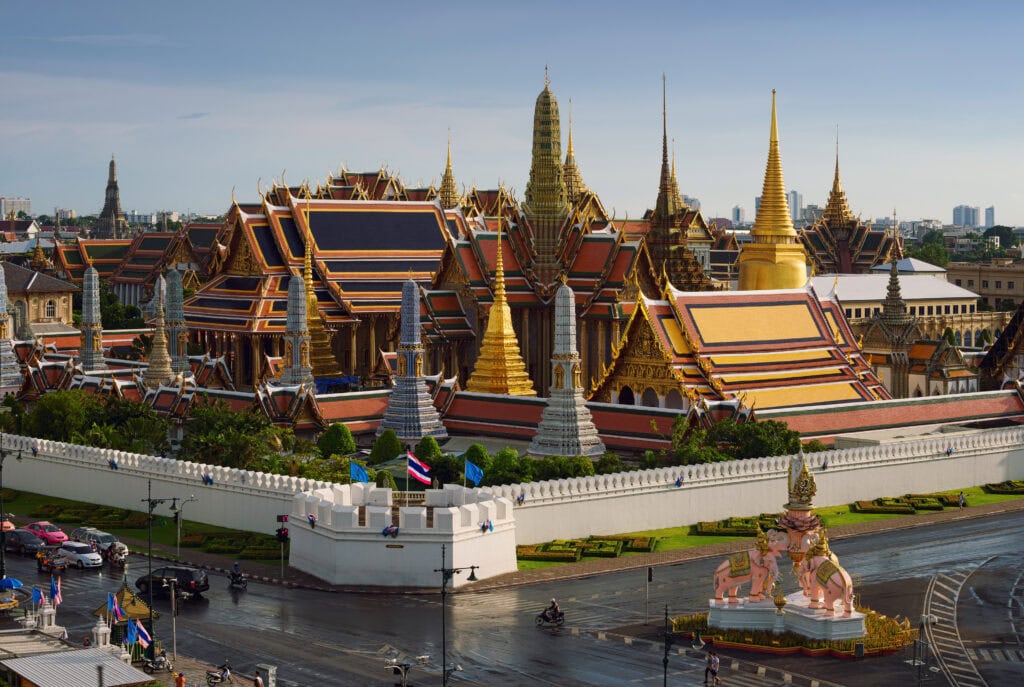
Introduction: A Historic Base in Bangkok Old Town
If you are planning a city break to Thailand and wondering where to stay in Bangkok Old Town, this guide is written for European travellers who like to explore on foot, absorb history slowly, and return to a calm, character-rich base at the end of the day. Old Town Bangkok, also known as Rattanakosin, offers temple spires, riverside walks and some of the city’s most atmospheric streets all within easy reach.
This part of the city matters for European visitors because it condenses Bangkok’s royal, religious and architectural heritage into a compact area, allowing you to experience the historic heart without constantly negotiating long taxi rides or metro changes. If you are still comparing areas across the city, you may find it useful to pair this article with a broader overview such as where to stay in Bangkok for a first visit before deciding on your base.
Orientation: Bangkok Old Town (Rattanakosin) lies on the eastern bank of the Chao Phraya River, west of the modern Sukhumvit and Siam districts and just north of the main Riverside hotel strip.
Understanding Bangkok Old Town as a Historic Base
Bangkok Old Town, or Rattanakosin, is the original royal island founded in the late 18th century, still defined by old moats and canals. Staying here places you among palaces, monasteries, and narrow lanes rather than malls and high-rises. For many European travellers, this historic setting feels closer in spirit to a compact old town in Europe than to the sprawling image of modern Bangkok.
The area’s main landmarks are the Grand Palace, Wat Phra Kaew (Temple of the Emerald Buddha), Wat Pho with its reclining Buddha, and the riverside Wat Arun just across the water. While many visitors only pass through on a day trip, choosing a base in the Bangkok Old Town neighborhood means you see these sites early, before the buses arrive, and in the golden light of late afternoon when most tours have departed.
From a practical perspective, a historic base here suits travellers who do not mind the absence of a metro station on every corner, and who value an immersive, almost museum-like setting over nightlife or shopping. It is a neighbourhood where you are woken by temple bells rather than rooftop bars.
Key Areas and Micro-Neighbourhoods within Old Town
When considering where to stay in Bangkok Old Town, it helps to think in terms of micro-neighbourhoods, each with a different balance between serenity, sightseeing and local life. While locals may refer broadly to Rattanakosin, the experience varies from one cluster of streets to another.
- Grand Palace & Sanam Luang area: This is the most regal part of Bangkok Old Town, with formal boulevards, government buildings, and the royal field of Sanam Luang. A base here puts you within walking distance of the Grand Palace, Wat Phra Kaew and the National Museum. Streets become quiet in the evening; you are here for history, not nightlife.
- Wat Pho & Tha Tien: Around the river pier of Tha Tien and the grounds of Wat Pho, the mood feels more intimate. Small alleys host coffee shops, low-key eateries and a few characterful guesthouses. It is ideal if you want to stroll to the river for sunset views of Wat Arun and take early ferries across the water.
- Banglamphu & Phra Athit: North of the palace, this area blends historic shophouses with a softer, bohemian energy. The riverside Phra Athit Road has leafy promenades and small bars, while inner streets host independent bookshops and casual dining. It offers a compromise between heritage and a more relaxed evening scene.
- Democracy Monument & Ratchadamnoen: Eastwards, around the broad avenue of Ratchadamnoen, you find stately architecture from the early 20th century and a more civic, residential feel. It is still historic, but the sights are fewer and streets can be busier with through traffic; it suits visitors who do not mind a slightly longer walk to the river in exchange for a broader choice of local food.
All of these micro-areas form part of the broader Bangkok Old Town neighborhood, and all provide a distinctly historic base. The choice is less about being close to a single sight, and more about the type of street life you want to step into when you leave your door.
Staying Near the Grand Palace and Major Temples
For many travellers, the primary question is whether to stay near the Grand Palace itself. Being based within walking distance of the palace and Wat Pho means you can time your visits around the peak heat and crowds, making early morning and late afternoon explorations far more comfortable.
Staying near the Grand Palace suits travellers who like structured days built around cultural visits. You can move between the palace, temples and nearby museums on foot, returning to your room for a break before heading out again for an evening stroll along the river. This pattern is particularly appealing for visitors adjusting to jet lag from Europe, when early wake-ups feel natural.
The trade-off is that this intensely historic core quietens markedly after dark. Nightlife and late-opening eateries are limited, and streets can feel almost ceremonial in the evenings. If you prefer to have a choice of casual night-time options, you might be happier staying slightly further north around Phra Athit or further inland where local food streets stay open later.
Another point to consider is navigation: the palace area is well signposted and easy to orient around, but it can feel formal and occasionally congested around opening and closing times. For a more lived-in version of history, the side streets between Wat Pho and the river often feel more intimate while still giving you rapid access to the main sights.
Rattanakosin Hotels: What to Expect from a Historic Stay
Rattanakosin hotels tend to reflect the character of the district: lower skylines, period facades, and interiors that reference the city’s royal and riverine heritage. Rather than large chains and glass towers, you are more likely to find mid-rise properties, historic townhouses converted into small hotels, and riverside addresses with long views of temple spires.
Rooms in these historic buildings can sometimes be smaller or more irregularly shaped than in modern districts such as Sukhumvit, but what they often offer in return are wooden floors, verandas, and courtyards planted with frangipani trees. Many Europeans find that this sense of place matters more than the latest fittings, especially on a shorter cultural stay.
Common features of Rattanakosin hotels include shaded internal courtyards, rooftop terraces for sunset, and lounges decorated with old photographs of the city. Some properties sit directly on canals, giving you glimpses of traditional wooden houses and monks moving between temples. Noise levels are generally lower than in central commercial districts, though you may hear temple bells or early morning chants.
Accessibility is an important aspect to consider. While some hotels occupy fully renovated buildings with lifts and accessible bathrooms, others still reflect older layouts with stairs and narrow corridors. If step-free access is important, it is worth checking building configurations in advance rather than assuming modern standards across the board.
Riverside Walks and Getting Around from Old Town
One of the pleasures of staying in Bangkok Old Town is the ability to explore on foot along the Chao Phraya River and its smaller canals. While Bangkok is not generally thought of as a walking city, this district is one of its more pedestrian-friendly pockets, with promenades, riverside parks and relatively compact distances between major sights.
From a base near Tha Tien, Phra Athit or the National Museum, you can stroll along the river, watch long-tail boats slipping past, and cross to Wat Arun by local ferry. In the early evening, the water reflects temple lights, and the atmosphere can feel unexpectedly tranquil for a city of this size. Paths are not always continuous, but short detours through side streets often bring you back to the water.
In terms of wider transport, Old Town is linked to the rest of Bangkok by river boats, buses, and taxis rather than direct Skytrain or metro lines. River boats along the Chao Phraya are especially convenient; they connect you to the central Riverside district, Sathorn pier (for the BTS Skytrain), and further north to other historic sites. Many visitors use a combination of river boat and occasional taxi rides to reach more modern areas such as Siam or Sukhumvit.
Traffic in and out of Old Town can be slow at peak times, particularly across bridges and major intersections. If you plan to spend much of your time in other parts of the city, a central modern area might be more convenient. However, for those focusing on heritage, temples and local food, a base here reduces the need for long cross-city journeys, especially during hot afternoons.
Local Food and Everyday Life in Bangkok Old Town
Beyond the monuments, one of the main reasons to choose a historic base in Bangkok Old Town is the local food. Here, stalls and family-run eateries cater primarily to residents, monks, and office workers, rather than passing tour groups. That translates into menus shaped by habit and tradition rather than trends.
Morning is an especially vivid time to explore. Around temple gates and market streets, vendors set up stands selling rice porridge, soy milk, fresh fruit, and grilled skewers. Monks collect alms along quiet lanes, and the air smells of incense and jasmine. Eating at small, informal spots might mean sitting on plastic stools under a fan, but the reward is a window into daily life.
In the evenings, some streets around Banglamphu, Phra Athit and the fringes of the Old Town fill with casual dining options, from pad thai and stir-fries to regional Thai dishes served at simple shopfronts. Portions are often modest and designed for sharing, making it easy to try several plates across the evening. Menus may not always be translated, but staff are usually adept at pointing out popular dishes.
The food scene here is more traditional than in newer districts, with less emphasis on international cuisine, fine dining or design-led cafés. For European visitors, this makes Old Town a strong choice if you are curious about Thai regional styles and don’t mind a degree of informality. Those seeking a broad selection of international restaurants or modern wine bars may prefer to commute out for certain evenings while keeping their historic base in Old Town.
Who Bangkok Old Town Suits – and Trade-Offs to Consider
Choosing where to stay in Bangkok Old Town is as much about travel style as it is about geography. This district particularly suits visitors who like to spend their days on foot, exploring galleries, temples, and riverfronts, then winding down in quiet, atmospheric streets rather than in lively nightlife areas.
It is a natural fit for history enthusiasts, architecture lovers, and those on shorter trips who want to concentrate on the city’s historic core. The compact scale and walkability are also appealing for travellers who find Bangkok’s size initially overwhelming; being anchored to a clearly defined historic island offers a sense of structure and coherence.
The main trade-offs are distance and pace. Reaching shopping centres, modern rooftop bars or late-night districts involves a transfer by boat and train or a taxi ride, which can take time in traffic. Public transport is less direct than in areas built around BTS and MRT stations. Evening streets in the palace quarter, while safe, can feel very quiet once museums close.
For some travellers, the solution is to combine a few nights in Old Town with time in a more modern part of Bangkok, balancing history with contemporary experiences. Understanding the contrast between these areas can deepen your sense of the city’s evolution, from royal island to Asian megacity.
Practical Travel Tips for Staying in Bangkok Old Town
- Best time of day for temples: Visit the Grand Palace and Wat Pho early in the morning to avoid midday heat and crowds; staying nearby makes this easy.
- Clothing and temple etiquette: Shoulders and knees need to be covered in major temples; light long trousers or skirts and a breathable shirt are more comfortable than carrying extra wraps.
- Footwear: Choose sandals or shoes that are easy to slip on and off, as you will remove them when entering temple interiors.
- Moving around by river: Use the Chao Phraya Express Boat or local ferries from Tha Tien or Phra Athit to reach other riverside districts instead of relying only on taxis.
- Connecting to the Skytrain: The Sathorn pier is the main interchange between river boats and the BTS Skytrain; factor in boat timings when planning journeys to modern shopping areas.
- Heat management: Plan indoor visits or a rest back at your hotel during the early afternoon, when temperatures and humidity peak along the river.
- Street crossings: Use marked crossings and pedestrian bridges where available, particularly around Democracy Monument and main avenues where traffic can be fast.
- Cash and small change: Keep small notes and coins for river boats, ferries and very small food stalls, as not all accept cards.
- Noise considerations: Temple bells and chanting can start early; light sleepers may prefer rooms facing internal courtyards rather than main streets or temple compounds.
- Respectful photography: Photography is widely allowed outside temples but may be restricted in certain shrine areas; always follow posted signs and avoid intrusive photos of worshippers.
FAQs about Staying in Bangkok Old Town
Is Bangkok Old Town a good area for first-time visitors?
Yes, for visitors whose main interests are temples, royal history and river life, Bangkok Old Town is an excellent base. You are close to the Grand Palace, Wat Pho and key museums, and can experience a calmer, more traditional side of the city. Those focused on shopping or nightlife might complement an Old Town stay with time in a modern district.
What is the difference between Rattanakosin hotels and those in modern areas?
Rattanakosin hotels are typically smaller in scale, set in low-rise or historic buildings, and emphasise atmosphere over extensive facilities. In contrast, modern areas like Sukhumvit often feature large high-rises with wide-ranging amenities but less direct access to the historic sights.
Is it better to stay near the Grand Palace or closer to the river?
Staying near the Grand Palace offers the shortest walks to the main temples and museums, making sightseeing very straightforward. Staying closer to the river, such as near Tha Tien or Phra Athit, trades a slightly longer walk to some landmarks for easier access to river boats and more relaxed riverside walks.
How easy is it to reach other parts of Bangkok from the Old Town neighborhood?
From the Bangkok Old Town neighborhood, you can reach other districts by combining river boats with the Skytrain or using taxis and ride-hailing services. Journeys can take longer than from more central transport hubs, but for visitors focused on heritage, most daily activities can be done locally.
Is Bangkok Old Town safe in the evenings?
The Old Town is generally considered safe, with a strong presence of temples, government buildings and local residents. Evenings tend to be calm rather than busy, especially around the palace area, so while it may feel quiet, it is usually comfortable for walking between hotels and nearby restaurants.
Conclusion: The Appeal of a Historic Bangkok Base
Staying in Bangkok Old Town means living amid the city’s royal and religious landmarks, with temple roofs and the curve of the Chao Phraya River shaping your sense of place. It offers a slower pace, walkable distances between major sights, and an everyday food culture that leans more towards tradition than trend.
The trade-offs involve longer journeys to modern shopping and nightlife hubs, fewer late-night options on your doorstep, and a more compact hotel inventory set within older buildings. For many European travellers, however, these are acceptable compromises for the chance to wake up inside the historic core, step straight into riverside streets, and experience Bangkok through its oldest, most enduring neighbourhood.
Recommended next:
- Thailand Itinerary 10 Days: Bangkok, Chiang Mai & Islands for First-Timers
- Thailand Itinerary 14 Days: Classic Route with Beaches and Northern Culture
- Thailand in 7 Days: Bangkok + One Beach Base (No Rushing)
- Best Time to Visit Thailand: Month-by-Month Weather for Europeans
- Thailand Travel Costs: Realistic Daily Budget for European Travelers
- Thailand Travel Insurance Guide: What to Cover and What to Skip
- More in Thailand →