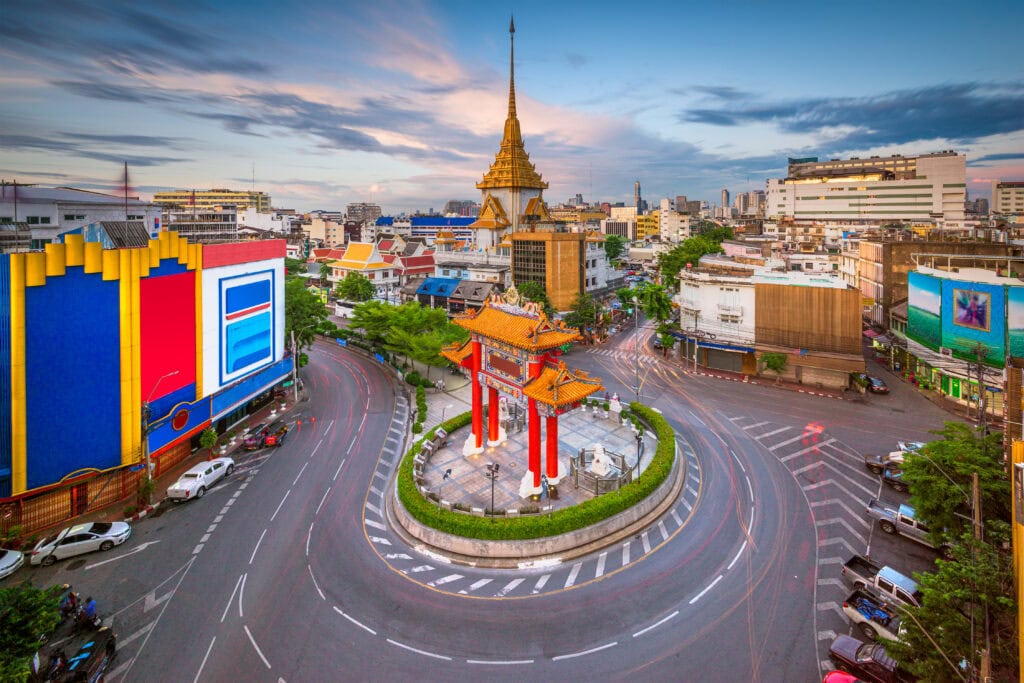
Introduction: A Food-First Base in Bangkok Chinatown
This guide is for European travellers who want to stay in Bangkok Chinatown not just for convenience, but as a culinary and cultural base. If food is how you understand a city, Yaowarat – as Chinatown is locally known – offers one of Bangkok’s most immersive neighbourhoods to sleep, wander and eat.
Bangkok Chinatown stretches along Yaowarat Road, just west of the modern city centre and a short ride from areas like Sukhumvit and Silom; it feels like a dense, historic pocket within a much larger metropolis. For a wider comparison of Bangkok’s districts and how Chinatown fits among them, you can first explore where to stay in Bangkok for first-time visitors and then return to this more detailed focus on Yaowarat itself.
What makes a Bangkok Chinatown stay distinctive is the way food shapes daily life: street food stalls rolling out in late afternoon, neon-lit seafood restaurants, afternoon tea rooms in restored shophouses, and early-morning market lanes. Choosing where to sleep here is largely about how close you wish to be to these experiences – and how much of the nighttime energy you are comfortable having directly outside your window.
Understanding Bangkok Chinatown as a Food-First Base
Chinatown is one of Bangkok’s oldest trading districts, with a tight grid of streets radiating from Yaowarat Road. For a food-led trip, it works best either as a primary base for a few nights or as a contrasting stay after time in a quieter riverside or modern business district.
During the day, Chinatown’s streets are busy but navigable, with gold shops, Chinese pharmacies, shrines and dim sum eateries. At night, Yaowarat Road transforms into one of the liveliest street food Bangkok areas: queues snake around noodle stalls, seafood is cooked over charcoal, and dessert carts line the pavements. Staying here places you in the heart of this scene, so you can wander out for supper without thinking about taxis or the last train.
European visitors often appreciate that Chinatown still feels distinctly low-rise and traditional compared with other parts of Bangkok. Rather than big commercial centres, you find five-storey shophouses, market arcades and small guesthouses. The trade-off is that pavements can be uneven, traffic is dense, and the sensory experience – smells, sounds, neon – is intense, especially if you are recovering from a long-haul flight.
Core Areas of Yaowarat: Choosing the Right Micro-Neighbourhood
When considering yaowarat hotels, it helps to think in micro-neighbourhoods, each with a slightly different balance of food, heritage and convenience. Distances are short, but atmosphere and noise levels can change noticeably from one street to the next.
- Central Yaowarat Road: This is the iconic neon-strip section of Yaowarat, where most visitors recognise the photos of glowing signs and dense food stalls. Staying immediately on this stretch places you within steps of late-night dining, but expect traffic noise, bright lights and crowds until late evening. It suits travellers who prioritise being right in the middle of it all.
- Side streets off Yaowarat (Soi Texas, Soi Nana, etc.): Short lanes leading off the main road can offer a good compromise. You remain close to the action, but late-night noise is slightly reduced. Many contemporary guesthouses and small design-focused properties are tucked into these sois, ideal for travellers who enjoy emerging into the bustle but prefer a slightly calmer sleeping environment.
- Chinatown–Ratchawong river edge: Towards the Chao Phraya River, streets such as Ratchawong Road link Chinatown to piers used by local boats. This area can be convenient if you plan frequent river trips to the Grand Palace or Thonburi canal districts. Food options are still plentiful, but the feel is more local and less purely nightlife-driven.
- Hua Lamphong and southern edge: The area near Hua Lamphong Railway Station and Wat Traimit (Temple of the Golden Buddha) feels slightly more open and less compressed. It works for travellers who want easy MRT access while staying within walking distance of Yaowarat’s food streets.
Across all these pockets, the scale remains human and walkable. You can easily explore on foot, with frequent pauses for snacks, coffee or cold drinks, but expect to move slowly in the evening when the pavements are at their busiest.
Food Streets, Night Markets and Staying Close to the Action
The main appeal of a Bangkok Chinatown stay is how it allows you to experience the area’s food streets at different times of day, not just during a rushed visit. Different corners come alive in different ways, and where you sleep can shape what you naturally encounter.
In the evening, Yaowarat Road itself is effectively a long, linear night market. Stalls specialising in roast duck, grilled seafood, tom yum noodles and Chinese-inspired desserts set up directly on the roadside. Queues form for well-known vendors, but you will also find less-famous stalls serving excellent dishes with shorter waits. If your accommodation is close by, you can embrace a more intuitive rhythm: an early snack at one stall, a later main course elsewhere, and a final dessert or fruit shake before heading back.
Parallel streets such as Charoen Krung Road and small intersecting lanes add variety to this core strip. You might find lighter breakfast options, traditional Chinese pastries, or herbal drinks that balance the heavier, fried flavours of the evening. Staying nearby makes it easy to explore these secondary streets without worrying about orientation or transport after dark.
European travellers often appreciate that, despite the crowds, Chinatown generally feels safe at night, with families and groups out late. The main consideration is comfort: if you are a light sleeper, look for accommodation one or two streets back from the busiest sections to reduce horn noise and late-night chatter while remaining within easy reach of the food streets.
Heritage, Temples and Old-Shophouse Charm Around Your Hotel
While food defines daily life in Yaowarat, the district’s appeal also lies in its layered heritage: Buddhist temples, Chinese shrines, and early 20th-century shophouses with peeling pastel facades. Choosing where to stay in Bangkok Chinatown can therefore also be about how close you wish to be to these quieter, more reflective corners.
Wat Mangkon Kamalawat, one of the most important Chinese-Buddhist temples in Bangkok, is tucked within narrow streets and alleys. In the mornings, the area around the temple feels very local, with vendors selling offerings, incense and street-side breakfasts. Staying within walking distance allows you to visit in the early hours, before day-trip groups arrive, and experience a very different side of Chinatown’s energy.
Wat Traimit, at the edge of Chinatown near Hua Lamphong, is another landmark, home to an impressive golden Buddha image. The surrounding streets feel slightly less chaotic than central Yaowarat and can offer a more balanced blend of heritage, food and space. This area may particularly suit travellers who appreciate being able to retreat to a quieter café or temple courtyard after exploring the busier food lanes.
Between these religious sites, numerous small streets hide restored shophouses, some converted into understated guesthouses or cafés. These lend themselves to a slower pace: you might start your day with coffee in a heritage building, explore markets, and then return in the late afternoon for a short rest before the evening’s food explorations.
Connectivity, Transport and Exploring Beyond Chinatown
Bangkok Chinatown is well-placed for exploring the wider city while remaining distinctly separate from the main commercial hotel districts. For many European travellers, the key questions are how to reach Yaowarat from the airport and how easy it is to move between Chinatown and other parts of Bangkok.
From Suvarnabhumi Airport, many visitors take a taxi directly; the ride is relatively straightforward, but streets within Chinatown are narrow and congested, so drivers may drop you at a main corner. From Don Mueang Airport, taxis are also the simplest option, although a combination of train and MRT is possible for those comfortable with public transport and light luggage.
Once in the area, the MRT (underground) is the most reliable and air-conditioned way to link Chinatown to other neighbourhoods. Wat Mangkon Station sits on the edge of Yaowarat, while Hua Lamphong Station is a short walk away at the southern end. From either, you can connect to Sukhumvit, Silom and other parts of the city with one or two changes. This connectivity makes Chinatown a realistic base even if you plan to spend days visiting Bangkok’s more modern districts.
The Chao Phraya River adds another dimension. From nearby piers, riverboats connect Chinatown to the Old Town, the Grand Palace, and riverside cultural sites. This can be a practical and scenic alternative to road traffic during busy hours, and staying near the river end of Chinatown simplifies such journeys.
Who Bangkok Chinatown Suits as a Place to Stay
Thinking carefully about whether a Bangkok Chinatown stay fits your travel style can make the difference between finding the area exhilarating or overwhelming. Because this is such a food-centric district, your preferences around dining, nightlife and sensory intensity matter.
Chinatown works particularly well for travellers who enjoy:
- Eating late and grazing across multiple small dishes rather than having a single formal dinner.
- Exploring on foot, even in warm and humid conditions, with frequent stops for drinks or snacks.
- Observing local routines and traditional businesses alongside the more photographed food streets.
It may be less ideal if you are very sensitive to noise, prefer a more polished and contemporary urban landscape, or are travelling with very young children who need large, open spaces to run around. Pavements can be narrow, uneven and crowded, making pushchairs and large wheeled luggage more cumbersome than in some other Bangkok districts.
For many European visitors, a balanced approach works well: a few nights based in Chinatown to immerse yourself in the food scene, combined with time in another area that offers more space, greenery or a different pace. This allows you to appreciate Yaowarat’s intensity without feeling obliged to spend your entire stay amid its most crowded streets.
Practical Travel Tips for Staying in Bangkok Chinatown
- Arrival timing: If possible, arrive in Chinatown during daylight hours. It is easier to orientate yourself before the food stalls and neon lights fully take over the pavements.
- Luggage and alleys: Streets can be narrow and uneven, so compact, easy-to-carry luggage is more practical than large, heavy suitcases.
- MRT access: Aim to stay within a comfortable walking distance of Wat Mangkon or Hua Lamphong MRT stations, especially if you plan to explore other parts of Bangkok frequently.
- Footwear: Wear breathable, closed shoes. Pavements can be slick around food stalls, and there may be unexpected steps or gaps in the pavement.
- Heat management: The combination of cooking fires, traffic and humidity can make evenings quite warm. Short walks punctuated by café or mall stops for air-conditioning are more comfortable than long, continuous routes.
- When to explore: For photography and orientation, mornings are calmer and less crowded. For food, arrive on Yaowarat Road from late afternoon onwards as stalls begin setting up.
- Local norms at shrines and temples: Dress respectfully when visiting temples (shoulders and knees covered), speak softly, and follow local cues about photography in prayer areas.
- Street food etiquette: Queues operate on an informal but respected basis. Wait your turn, avoid blocking the pavement with bags, and watch how locals order before stepping up.
- Allergies and dietary needs: Many vendors speak limited English. Simple written notes about allergies, especially to shellfish or nuts, can be helpful, though options may still be limited.
- Cash and payments: Small street food stalls are primarily cash-based. Keep smaller notes and coins handy to avoid delays when paying.
- Noise expectations: Even quieter side streets may experience bursts of traffic or activity late at night. Light sleepers may want earplugs for a more restful stay.
- Navigation: GPS can falter in dense streets; using landmarks such as temples, main road junctions and MRT stations as reference points is often more reliable than exact addresses.
FAQs About Staying in Bangkok Chinatown
Is Bangkok Chinatown a good area to stay for first-time visitors?
Bangkok Chinatown can be an excellent base for first-time visitors who are particularly interested in food and historic neighbourhoods. It offers constant dining options, strong character and good MRT connections, but it is more intense and crowded than areas like riverside or some parts of Sukhumvit, so it suits travellers comfortable with busy urban environments.
How late does the street food in Yaowarat stay open?
On most evenings, food stalls on Yaowarat Road and surrounding lanes operate from late afternoon until around midnight, with some vendors closing earlier or later depending on the day and demand. Weekends are typically livelier, with more stalls and longer opening hours than midweek.
Is it noisy to stay directly on Yaowarat Road?
Staying directly on Yaowarat Road usually means accepting higher noise levels from traffic, horns and crowds until late evening, especially on weekends. Travellers who value quiet might prefer accommodations set one or two streets back, which can offer a better balance between proximity to the food streets and more restful nights.
Is Bangkok Chinatown safe to walk around at night?
Chinatown is generally busy and feels safe to walk around in the evening, with families, groups of friends and tourists out late for food. As with any large city, normal urban awareness is sensible: keep valuables secure, be aware of traffic when crossing streets, and avoid leaving belongings unattended at street-side tables.
How does a Bangkok Chinatown stay compare with areas like Sukhumvit for food?
Sukhumvit offers a wide range of international and modern Thai dining, often in contemporary settings, while Chinatown focuses more on traditional Chinese-Thai dishes, street food and heritage shophouse eateries. If your priority is an atmospheric, historically rooted street food Bangkok area, Yaowarat offers a denser, more immersive experience than most other districts.
Conclusion: Balancing Energy, Food and Heritage
Staying in Bangkok Chinatown places you at the centre of one of the city’s most distinctive food landscapes, where meals shape the rhythm of the day and night. The rewards lie in immediate access to night markets, historic streets and temples, but they come with trade-offs: crowded pavements, sensory intensity and relatively little open space.
For European travellers who see food as a lens into local culture, a carefully chosen base in or around Yaowarat can offer a memorable perspective on Bangkok, combining everyday rituals, culinary variety and a palpable sense of history in a compact, walkable district.
Recommended next:
- Thailand Itinerary 10 Days: Bangkok, Chiang Mai & Islands for First-Timers
- Thailand Itinerary 14 Days: Classic Route with Beaches and Northern Culture
- Thailand in 7 Days: Bangkok + One Beach Base (No Rushing)
- Best Time to Visit Thailand: Month-by-Month Weather for Europeans
- Thailand Travel Costs: Realistic Daily Budget for European Travelers
- Thailand Travel Insurance Guide: What to Cover and What to Skip
- More in Thailand →