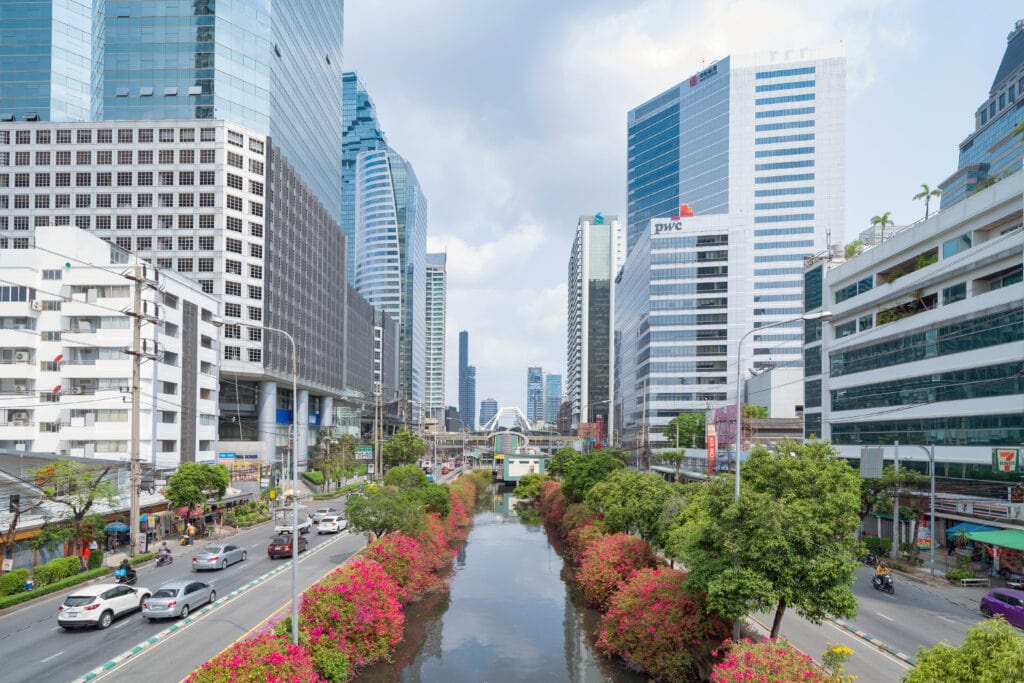
Where to Stay in Ari, Thonglor & Ekkamai: Bangkok’s Cafés and Quiet Luxury
This guide is for European travellers who enjoy refined city breaks: design-conscious visitors who prefer neighbourhood cafés, leafy streets and understated comfort over neon nightlife and crowded shopping malls. If you are wondering where to stay in Ari, Thonglor and Ekkamai to experience a quieter, more local side of Bangkok, these districts offer a reassuringly calm base within easy reach of the city’s headline sights.
Ari, Thonglor and Ekkamai sit along or just off Sukhumvit, north-east of the historic centre, and feel like self-contained villages with their own rhythm, linked by the BTS Skytrain to the temples, river and major shopping areas. For a broader orientation to the city’s main districts before fine-tuning your choice, it can be helpful to read a wider overview such as where to stay in Bangkok for first-time visitors, then return to these three quieter, more residential pockets.
All three neighbourhoods have become shorthand among locals and long-term residents for “Bangkok cool neighborhoods”: creative cafés, independent restaurants, discreet boutique stays and a sense of urban comfort that never feels rushed.
Ari: Leafy Lanes, Creative Cafés and Low-Key Comfort
Ari is one of the most relaxed areas to consider when thinking about ari Bangkok hotels. Located along the Sukhumvit line of the BTS (Ari station), it feels almost suburban compared with central Bangkok, with wide residential streets, mature trees and a gentle, lived-in atmosphere. For Europeans unused to Bangkok’s intensity, Ari can be an excellent first base: urban but not overwhelming.
The core of Ari centres on the sois (side streets) around Phahon Yothin Road. Here, low-rise houses, design studios and small offices sit beside minimalist cafés and bakery-style brunch spots. The area is highly walkable, particularly in the early morning and late afternoon when the heat softens, and pavements here are generally easier to navigate than in busier parts of the city.
Staying in Ari means trading blockbuster attractions on your doorstep for a daily rhythm that feels quietly luxurious: morning coffee at a Scandinavian-style café, a slow lunch at a hidden Thai restaurant, perhaps a massage in a polished yet modest spa. The BTS connects you to Siam (for malls and connections), Mo Chit (for Chatuchak weekend market) and central Sukhumvit without the need to negotiate taxis every time you go out.
Accommodation here tends to be compact and design-focused rather than ostentatious. Think small boutique hotels and serviced residences with good natural light, thoughtful interiors and personalised service. There are fewer large-scale properties than in downtown Sukhumvit, so Ari suits travellers who appreciate intimacy and a more residential feel over rooftop spectacle.
Thonglor: Quiet Luxury at the Heart of Modern Bangkok
Thonglor (Sukhumvit Soi 55) is often the answer for travellers asking where to stay in Ari Thonglor Ekkamai if they want the most polished take on contemporary Bangkok. This is where understated luxury apartments, discreet hotels and some of the city’s most respected bars and restaurants share the same streets. For many residents, Thonglor is the benchmark for aspirational urban living.
The main artery, Soi 55, runs from Sukhumvit Road up towards Petchaburi Road, and the side sois weave off into increasingly residential pockets. The lower part of Thonglor, closer to the BTS Thong Lo station, is more animated, with sleek lifestyle complexes, cocktail bars and dessert cafés. Higher up the soi, the mood softens: quieter condominiums, leafy compounds and smaller streets with independent eateries.
Thonglor embodies the guide’s editorial angle of quiet luxury. Interiors tend to be polished but never shouty: warm woods, soft lighting and contemporary Thai design details. European visitors who appreciate the feel of West London’s Notting Hill or Paris’s 7th arrondissement often connect with Thonglor’s balance of everyday life and refined indulgence.
In terms of practicalities, Thonglor is well positioned. The BTS offers direct access to Asok (for interchanges and shopping hubs), and a short ride further takes you to Siam or the riverside connections. Within the neighbourhood, traffic can be slow at peak hours, so staying within walking distance of your preferred café clusters or the BTS can make a difference to daily comfort.
Compared with Ari, Thonglor feels more international and more curated, with a noticeable presence of European, Japanese and Korean residents. It suits travellers who enjoy evenings in stylish yet relaxed wine bars, chef-led restaurants and cafés that transition throughout the day, while still wanting a sense of privacy and retreat once they return to their accommodation.
Ekkamai: Balanced, Residential and Effortlessly Cool
Neighbouring Ekkamai (Sukhumvit Soi 63) shares much of Thonglor’s appeal but at a slightly more measured pace. When discussing Thonglor Ekkamai stays, locals often describe Ekkamai as Thonglor’s calmer sibling: less dense, slightly more spacious, with a blend of long-standing Thai businesses and new-wave cafés and studios.
The BTS Ekkamai station connects easily to Thonglor, Phrom Phong and further into town, while the sois reaching inland from Sukhumvit house low-rise homes, independent eateries and compact community malls. The atmosphere is relaxed, and walking is pleasant on many streets, especially in the late afternoon when the light softens and the café terraces begin to fill.
For European travellers, Ekkamai works particularly well as a long-stay or repeat-visit base. It is close enough to Thonglor’s dining scene to walk or take a short ride between the two, yet many streets remain quiet in the evenings. The sense of scale feels comfortable: enough options to vary your days, without the intensity of central shopping districts.
Accommodation in Ekkamai spans modern serviced apartments, boutique hotels and a handful of design-led guesthouses. Many properties here emphasise residential comforts—laundry rooms, small kitchens, generous living spaces—alongside considered communal areas such as rooftop terraces or small pools. For those combining work and leisure, Ekkamai’s co-working spaces and slower pace can be especially appealing.
One additional advantage is connectivity beyond central Bangkok. The Eastern Bus Terminal at Ekkamai offers departures to seaside towns like Pattaya and Rayong, which can be convenient for European visitors planning a combined city-and-coast itinerary.
Comparing Ari, Thonglor and Ekkamai for Different Travellers
While all three districts share a sense of quiet luxury, each fits a slightly different travel style. Thinking carefully about your priorities—transport, social scene, design, and pace—helps clarify the best match among these Bangkok cool neighborhoods.
Ari for laid-back city explorers: Ideal if you enjoy slower mornings, independent coffee shops and a neighbourhood where you quickly recognise faces. The atmosphere is relaxed and creative, with good BTS access but fewer late-night distractions. Ari suits couples, solo travellers and small groups who value calm streets and a residential feel.
Thonglor for discreet urban luxury: Best for travellers drawn to contemporary design, excellent dining and a polished bar scene. Thonglor offers the broadest range of luxury-leaning venues within walking distance and feels at its best in the evenings, when restaurants and cocktail spots quietly come to life.
Ekkamai for balanced, longer stays: A strong choice for digital nomads, remote workers or anyone settling in for several days or longer. The area combines residential comfort, reliable transport and easy access to both Thonglor and the rest of Sukhumvit.
In terms of noise and energy, Ari is generally the most tranquil, Ekkamai occupies the middle ground, and Thonglor is the liveliest—though even Thonglor feels measured compared to Bangkok’s more frenetic nightlife districts. All three are safe by big-city standards, with a noticeable number of local residents, families and professionals out and about throughout the day.
Cafés, Dining and Everyday Pleasures in These Districts
Part of the appeal of staying in Ari, Thonglor or Ekkamai is how easily daily rituals fall into place. These areas are known for their café density, refined yet relaxed dining and an emphasis on well-made everyday comforts rather than grand gestures.
In Ari, cafés often occupy converted houses or low-rise shopfronts, with leafy terraces and a residential, creative ambiance. Brunch is taken seriously here, with a mix of Thai and Western options, and many venues are comfortable places to read, work lightly or simply escape the midday heat.
Thonglor’s café scene is more deliberately styled: minimalist interiors, carefully curated playlists and speciality coffee. The dining mix leans towards chef-driven Thai cuisine, Japanese restaurants and modern European menus, many with tasting options or small plates designed to share. For European visitors curious about how Bangkok’s younger professionals dine and socialise, Thonglor offers a revealing snapshot.
Ekkamai sits neatly between the two, with a liberal scattering of roasteries, bakeries and casual dining spaces. There is a pleasing mix of long-established local eateries and newer, design-forward spaces, giving a sense of continuity and evolution. It is also a comfortable area to explore on foot at night, as many streets are softly lit and retain a village-like feel despite being in the heart of the city.
Access, Transport and Getting Around Quiet-Luxury Bangkok
From a logistical perspective, these neighbourhoods work well for European travellers arriving into Suvarnabhumi or Don Mueang airports. Taxis and ride-hailing services are straightforward, and travel time depends largely on traffic rather than distance.
All three districts are anchored by BTS Skytrain stations—Ari on the Sukhumvit line north of Victory Monument, Thong Lo and Ekkamai along Sukhumvit Road itself. This makes moving between ari Bangkok hotels, Thonglor Ekkamai stays and central attractions simple, especially during rush hours when overground traffic slows.
For major cultural sights such as the Grand Palace, Wat Pho and the riverside temples, you will generally travel via BTS and then transfer to the MRT or a river boat. While none of these quiet luxury neighbourhoods are next to the historic centre, many travellers find the trade-off worthwhile: time spent commuting is balanced by restful evenings and calmer surroundings.
Within the districts, walking is often pleasant on key streets, though pavements can be uneven in places. Motorbike taxis and short ride-hail journeys help bridge gaps between BTS stations and more tucked-away side streets, particularly in Thonglor and Ekkamai where sois can be long.
Practical Travel Tips for Ari, Thonglor and Ekkamai
Use the BTS as your backbone: When choosing where to stay in Ari Thonglor Ekkamai, prioritise properties within a comfortable walk of a BTS station to minimise dependence on road traffic.
Plan for heat when walking: Distances may look short on a map, but midday heat and humidity can be intense. Schedule walking-heavy activities for mornings or late afternoons.
Take advantage of side-street shortcuts: In Thonglor and Ekkamai, smaller sois often run parallel to busier roads and provide quieter, shadier routes between cafés and shops.
Dress with modesty in mind: These areas are fashionable but still conservative by European standards. Light, breathable clothing that covers shoulders and knees works well for both cafés and temple visits elsewhere in the city.
Use contactless payments but carry some cash: Most venues in these neighbourhoods accept cards and digital wallets, yet small local eateries may prefer cash, especially in residential corners of Ari.
Factor in travel time to the Old Town: Reaching the Grand Palace and riverside from these districts can take 45–60 minutes depending on connections; plan visits earlier in the day to avoid the hottest hours.
Respect building quiet hours: Many properties in Ari, Thonglor and Ekkamai are in residential buildings. Be mindful of noise in corridors and communal spaces late at night.
Look for shaded café terraces: Many cafés in these districts are designed with outdoor, shaded seating, offering a comfortable compromise between air-conditioned interiors and Bangkok’s tropical air.
Allow time for traffic peaks: If you have timed entries for museums, spa appointments or dinner reservations outside the neighbourhood, build in a buffer during evening rush hours.
FAQs: Ari, Thonglor and Ekkamai for European Travellers
Is Ari a good area to stay in Bangkok for first-time visitors?
Ari can be an excellent choice for first-time visitors who value calm streets, creative cafés and an easy introduction to local daily life. With its BTS station and relatively gentle pace, it offers a soft landing in the city, especially for those who find central Sukhumvit or Silom too intense.
How do Thonglor and Ekkamai compare as places to stay?
Thonglor feels more overtly luxurious, with a higher concentration of upscale restaurants and bars, while Ekkamai offers a slightly quieter, more residential ambiance. Both have strong transport links and a wide choice of café and dining options; Thonglor suits travellers prioritising dining and nightlife, whereas Ekkamai is ideal for longer, more settled stays.
Are Ari, Thonglor and Ekkamai safe at night?
These neighbourhoods are generally considered safe by big-city standards, with a regular presence of residents, workers and families in the streets into the evening. As in any large city, standard precautions apply: keep valuables discreet, be aware of your surroundings and use licensed taxis or ride-hailing services for late-night journeys.
Are these quiet luxury areas far from Bangkok’s main temples and the river?
They are not within walking distance of the main temples or the Chao Phraya River, but the BTS and MRT make the journey manageable. Expect around 45–60 minutes including transfers. Many travellers appreciate returning to the quieter atmosphere of Ari, Thonglor or Ekkamai after days spent exploring busier historic and riverside areas.
Which neighbourhood is best for café culture and remote work?
All three have strong café cultures, but Ari and Ekkamai are particularly well suited to remote work, with numerous relaxed, laptop-friendly spaces and a slightly calmer feel. Thonglor also has excellent cafés, though some spots can be busier and more social, especially in the evenings.
Conclusion: Choosing Your Quiet Bangkok Base
Ari, Thonglor and Ekkamai each offer a distinct take on quiet luxury in Bangkok: Ari with its leafy streets and creative calm, Thonglor with its polished urban sophistication, and Ekkamai with its balanced, residential ease. None of these neighbourhoods place you directly next to the city’s temples or river, but they provide restful, design-conscious bases with strong transport links and rich everyday pleasures.
For European travellers who value café culture, walkable streets and an understated sense of comfort, these three districts show a side of Bangkok that is less about spectacle and more about how the city feels to live in—one morning coffee, evening stroll and carefully chosen meal at a time.
Recommended next:
- Thailand Itinerary 10 Days: Bangkok, Chiang Mai & Islands for First-Timers
- Thailand Itinerary 14 Days: Classic Route with Beaches and Northern Culture
- Thailand in 7 Days: Bangkok + One Beach Base (No Rushing)
- Best Time to Visit Thailand: Month-by-Month Weather for Europeans
- Thailand Travel Costs: Realistic Daily Budget for European Travelers
- Thailand Travel Insurance Guide: What to Cover and What to Skip
- More in Thailand →