Staying on Singapore’s East Coast: A Calm Base for Beachfront Cycling
This guide is for European travellers who value fresh air, water views and an active outdoors lifestyle as much as they do museums and skyline vistas. If you are wondering where to stay east coast Singapore for easy access to beaches and cycling, the East Coast shoreline offers a slower, breezier counterpoint to the city’s central districts. The East Coast stretches along the southeastern fringe of Singapore, between the airport and the central bay, and is centred on the long waterfront strip of East Coast Park, a local favourite for cycling, running and relaxed seaside picnics. For a broader overview of how this area compares with downtown, Sentosa and other neighbourhoods, you can cross-reference the wider best areas to stay in Singapore for first-time visitors. What makes the East Coast distinctive is the combination of city conveniences with a genuinely coastal feel: palm-lined paths, long views over the Singapore Strait, and a network of cycling routes that link the shoreline with park connectors and residential enclaves.Why Choose the East Coast for an Outdoors Lifestyle
The East Coast is one of the few parts of compact Singapore where you can step out of your accommodation and quickly find yourself on a beachside path rather than a shopping street. The area appeals to travellers who prefer morning runs under casuarina trees, leisurely bike rides along the water, and evenings marked by sea breezes instead of city noise. Compared with central districts, the pace here is residential and local. Weekdays bring joggers, dog walkers and cyclists using the paths before and after work. Weekends are livelier, as families gather in East Coast Park for barbecues and picnics, so visitors seeking quieter paths may prefer weekday mornings. For visitors from Europe, the climate is consistently warm and humid, which makes having green, shaded spaces and easy access to the sea especially valuable. The East Coast’s long linear park and waterfront lawns encourage spending time outdoors, although cycling layouts vary between separated and shared paths.Key East Coast Areas: From Katong to East Coast Park
When considering where to stay east coast Singapore, it helps to understand the main sub-areas along the shore. Most European visitors will base themselves in one of three broad pockets, each with its own character and proximity to the water.- Katong and Joo Chiat: A heritage-rich residential district inland from the beach. Historically Peranakan, it is known for colourful shophouses, independent cafés and local eateries. Access to the waterfront varies by address, so map the accommodation entrance, nearest park crossing and cycling route before booking.
- Park-side East Coast: This refers to streets and developments near East Coast Park, often with the East Coast Parkway between the property and the waterfront. Check the precise pedestrian route because access may involve an underpass, bridge or a longer walk to a suitable crossing.
- Airport-side East Coast: As you move further east towards Changi, accommodation can provide a different balance between coastal access and airport transfers. Compare the exact route to the park, the nearest Thomson–East Coast Line station and the expected airport journey rather than relying on the district name alone.
East Coast Park: Beaches, Cycling Paths and Seafront Life
East Coast Park is the main reason many travellers consider staying in this part of Singapore. According to Singapore’s National Parks Board, the park covers 180 hectares and stretches for about 13 kilometres along the shoreline. It is where locals cycle, inline skate, run and meet for open-air gatherings. The park includes sandy urban waterfront areas overlooking the Singapore Strait and its shipping lanes. Beach access and water conditions vary by section and date. Singapore’s National Environment Agency monitors East Coast Park Beach weekly and classified it as “Good” for primary-contact recreation for January–June 2026, but this general grading does not guarantee that every section is open or suitable for swimming at a particular time. Check the latest NEA water-quality information and NParks closure, clean-up and wildlife notices before entering the water. East Coast Park and the adjoining park connectors include cycling routes, but layouts vary: some sections separate cyclists and pedestrians, while others are shared. NParks explains that segregated sections can merge into shared paths and that pedestrians may use cycling paths, so follow the markings, slow down at attention zones and give way where required. NParks lists bike and skate rental shops among the park’s amenities. Availability, operating hours and equipment offered can change, so verify the current operator before relying on a rental. In the evenings, the park shifts character as groups gather at pergolas and barbecue pits, and food centres begin to fill with diners. For travellers interested in combining beach time with local flavours, staying close to East Coast Park offers the convenience of walking or cycling to dinner along the seafront rather than taking transport across town.Best Places to Stay Near the Seaside and Cycling Routes
Accommodation locations across the East Coast vary considerably in their access to the waterfront, heritage streets and public transport. When thinking about where to stay east coast Singapore, compare the exact property entrance with the nearest park crossing and Thomson–East Coast Line station rather than judging from the neighbourhood name alone.- Direct park access: Properties immediately inland from East Coast Park may offer the shortest routes to the beach and cycling paths, but the East Coast Parkway can separate buildings from the waterfront. Confirm the pedestrian underpass or bridge you would use and map the complete route before booking.
- Katong and Joo Chiat accommodations: Staying inland gives you more character in terms of shophouse architecture, cafés and independent shops. Travel time to the park depends on the property and route, so compare walking, cycling and public transport options for your shortlisted address.
- Airport-adjacent bases: The far eastern stretch may appeal to those combining an outdoors stay with airport access. Check the actual airport transfer, nearest rail or bus connection and pedestrian route to the seafront because these differ by property.
Getting Around: From Beachfront Paths to the City Centre
Although the East Coast feels removed from the central skyline, several neighbourhoods now have direct rail access. The Land Transport Authority states that Stage 4 of the Thomson–East Coast Line opened on 23 June 2024, serving Tanjong Katong, Marine Parade, Marine Terrace, Siglap and Bayshore, among other stations. The most useful station still depends on the property’s exact address and its pedestrian route to the park. For most visitors, daily life alternates between cycling and walking locally, and using public transport or ride-hailing services to access the city centre, museums and business districts. Journey times vary with the starting address, destination, traffic and interchange, so check the route for the time you expect to travel. Public-transport options depend on the accommodation’s exact address. Use the current journey planner to check the relevant rail or bus route, walking connection and interchange for the time you expect to travel. The East Coast can also be practical for Changi Airport, but transfer times and routes depend on the chosen property and time of travel. Check the journey from the accommodation’s exact address rather than assuming that every East Coast location is equally close to the terminals.Who the East Coast Suits – and Who It Doesn’t
Not every traveller will find the East Coast the ideal base, and understanding the trade-offs helps clarify whether this is the right area for your style of trip.- Ideal for outdoors-focused visitors: If your image of Singapore includes dawn cycles along the sea, barefoot walks on the sand and evenings sitting by the water, the East Coast aligns closely with that vision. The network of seaside stays and nearby cycling routes makes it easy to keep an active routine.
- Comfortable for slower-paced stays: Those planning a longer visit, or combining work and leisure, often appreciate the calmer, more residential feel. Cafés, local eateries and supermarkets are woven into daily life, and the park provides a natural space for unwinding.
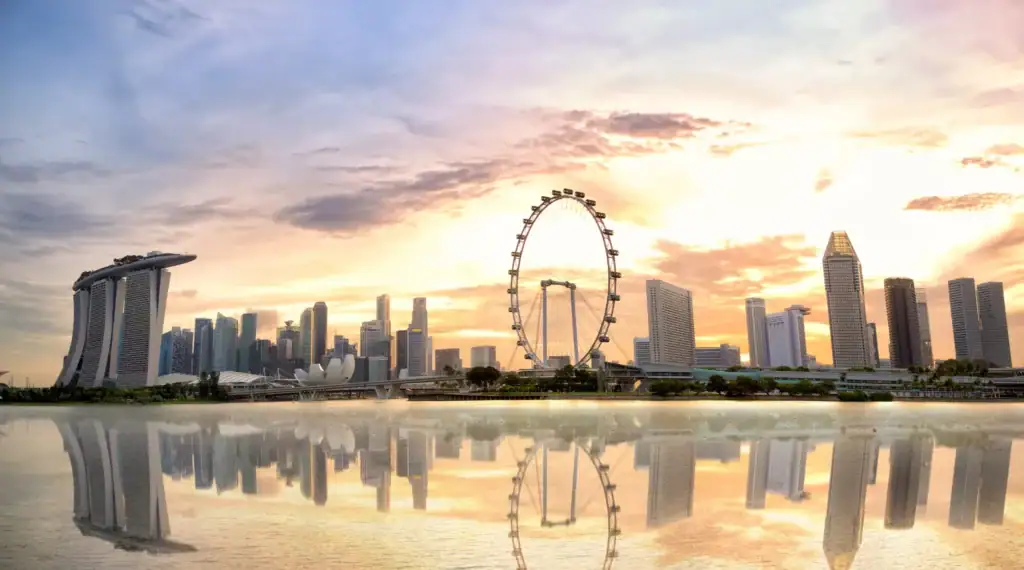
- Less suited to skyline enthusiasts: If your priority is being within a short walk of major landmarks, high-end malls and rooftop bars, central districts may serve you better. The East Coast offers glimpses of the skyline in the distance but its identity is low-rise and coastal.
- Not primarily a nightlife hub: There are bars and eateries, and the hawker centres can be lively, but the area does not have the intensity of late-night entertainment found in more central neighbourhoods. Evenings tend to be relaxed rather than frenetic.
Practical Tips for Staying on Singapore’s East Coast
- Consider the humidity: The combination of heat and moisture can feel intense, especially when cycling. Plan rides for early morning or late afternoon, and take advantage of shaded stretches in East Coast Park.
- Use park connectors: Look out for signposted park connectors that link residential streets to the main waterfront paths. Check the route markings because some sections are shared by pedestrians and cyclists.
- Public transport planning: When choosing where to stay east coast Singapore, check walking distances and pedestrian routes to bus stops and Thomson–East Coast Line stations.
- Weekday versus weekend atmosphere: East Coast Park is generally busier when families and groups gather on weekends. Plan longer rides or runs for less busy periods if you prefer more space, while remembering that conditions vary by section and event.
- Cycling etiquette: Follow the markings for each section, keep left where directed, slow down at attention zones and give way where required. Some segregated paths merge into shared paths, and pedestrians are permitted on cycling paths under NParks’ PCN guidance.
- Beach use and facilities: Facilities differ by park area. Check the current NParks map and notices for the beach section you plan to use rather than assuming showers or changing rooms will be available nearby.
- Protection from the elements: Sun protection is essential, including during overcast conditions. Brief tropical showers are frequent, so a light rain jacket or quick-drying clothing is useful for cyclists.
- Respect for public spaces: Singapore is strict about littering and public cleanliness. Use the bins provided in East Coast Park and avoid eating in restricted public transport areas on your way to and from the shoreline.
FAQs About Staying on Singapore’s East Coast
Is the East Coast a good area to stay in Singapore for beaches?
East Coast Park includes long sandy urban waterfront areas overlooking shipping lanes. Beach access and water conditions vary by section and date. NEA classified East Coast Park Beach as “Good” for primary-contact recreation for January–June 2026, but that general grading does not guarantee that every section is open or suitable for swimming at a particular time. Check current NEA water-quality information and NParks closure, clean-up and wildlife notices before entering the water.How easy is it to cycle around East Coast Park and nearby areas?
Cycling is one of the East Coast’s main attractions. NParks lists bike and skate rental shops in the park, although current operator availability should be checked before visiting. The terrain is generally flat, but path layouts vary: cyclists and pedestrians have separate lanes in some sections and share paths in others. Follow current markings, reduce speed where paths merge and give way where required.Are there seaside stays directly by the beach?
Most accommodation sits inland of the park or East Coast Parkway. When considering seaside stays, focus on the complete pedestrian route to East Coast Park, including the nearest underpass or bridge, rather than expecting buildings directly on the sand.Is the East Coast convenient for visiting central Singapore?
The East Coast is relatively close to the city centre in distance, though the most practical route depends on your accommodation. The Thomson–East Coast Line serves Tanjong Katong, Marine Parade, Marine Terrace, Siglap and Bayshore, while buses and ride-hailing provide alternatives. Check the exact journey and any interchange before booking.Does staying on the East Coast suit families?
The East Coast can suit families who value playgrounds, open lawns and access to outdoor space. Because some cycling routes are shared and distances vary by property, families should check the route from their accommodation to the park and supervise children around other path users.Conclusion: Balancing Coastal Calm and City Access
Choosing where to stay east coast Singapore is largely about deciding how central the outdoors should be to your time in the city. The East Coast provides long beaches, cycling routes and a calm, residential feel while still offering rail, bus and road links to Singapore’s major sights and districts. For travellers who prioritise sea breezes, relaxed evenings by the water and a daily rhythm built around parks and paths rather than shopping malls, this shoreline offers a distinctive perspective on the city. The main trade-offs lie in being slightly removed from the densest concentration of attractions and nightlife, in exchange for space, greenery and an everyday coastal lifestyle.Recommended next:
- Where to Stay in Singapore CBD for Business and Leisure
- Best Boutique Hotels in Singapore for Design Lovers
- Luxury Hotels near Singapore MRT Stations
- Best Rooftop Pool Hotels in Singapore
- Best Areas to Stay in Singapore Without Breaking the Bank
- Where to Stay in Singapore for First-Timers: Simple Area Guide
- More in Singapore →