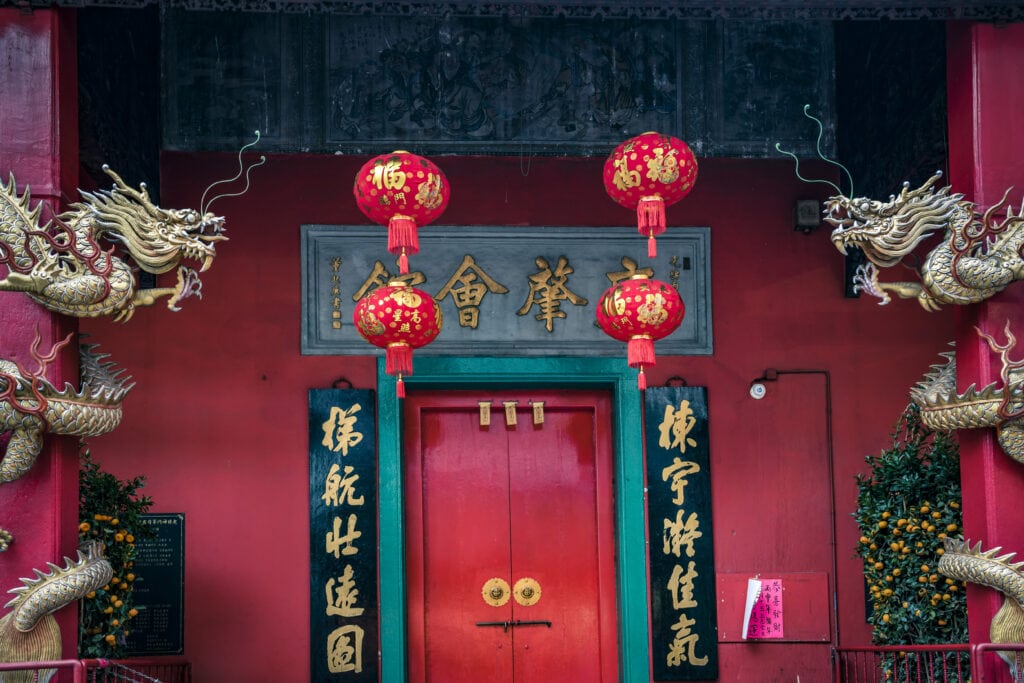
Kuala Lumpur’s Chinatown is a practical base for travellers who value historic streets, traditional places of worship, markets and easy access to local food. The neighbourhood is centred on Petaling Street, but the experience changes noticeably from one block to the next.
Choosing where to stay in Chinatown Kuala Lumpur therefore depends on whether you want to be close to the evening activity, near public transport or on a quieter street at the edge of the district.
Quick answer
For a first KL Chinatown stay, look around Petaling Street and the streets leading towards Central Market if you want the most convenient balance of heritage sights, food and transport. Stay directly beside Petaling Street for maximum atmosphere, or choose the edge of Chinatown if street noise and late-evening activity may disturb you.
Hotels near Pasar Seni are particularly practical for travellers who expect to use public transport frequently. The area around Jalan Sultan offers plenty of character, while accommodation towards Merdeka Square can suit visitors who prefer broader heritage walks and slightly more distance from the busiest market lanes.
Chinatown accommodation areas compared
| Area | Best for | Main advantage | Possible drawback |
|---|---|---|---|
| Petaling Street | Food, markets and first-time visits | Immediate access to Chinatown’s busiest streets | Noise, crowds and limited vehicle access can be inconvenient |
| Pasar Seni and Central Market | Public transport and sightseeing | Convenient for exploring Chinatown and other parts of Kuala Lumpur | The surroundings can feel busy during popular visiting periods |
| Jalan Sultan | Heritage atmosphere and independent travellers | Traditional streetscape close to food and cultural sights | Room quality and sound insulation can vary between properties |
| Southern edge of Chinatown | Travellers seeking a calmer base | Still walkable to the core without being directly above the busiest lanes | Some routes may feel less active later in the evening |
| Towards Merdeka Square | Architecture and longer city walks | Useful position between Chinatown and the historic civic quarter | Less immediate access to Petaling Street’s evening atmosphere |
Best parts of Chinatown for different travellers
Petaling Street: best for food and market atmosphere
Petaling Street is the recognisable heart of Chinatown. Staying nearby puts market stalls, casual restaurants and busy side streets within easy walking distance. It is a sensible choice if you plan to return to your room between sightseeing and dinner.
Petaling Street hotels range from simple guesthouses to more contemporary city properties. Before choosing one, check recent guest comments about window quality, room ventilation, lift access and outside noise. A room facing an internal courtyard or away from the main street may be preferable for light sleepers.
Vehicle access can also be less straightforward around pedestrian-heavy streets. If you have large luggage, ask the property where taxis or app-based cars can stop rather than assuming they can reach the entrance.
Pasar Seni and Central Market: best for transport
The area around Pasar Seni is one of the most convenient choices for visitors planning to combine Chinatown with wider Kuala Lumpur sightseeing. Public transport connections make it easier to travel beyond the historic centre without relying on a car for every journey.
Central Market and the riverfront area are close by, while Petaling Street remains within walking distance. This location is well suited to first-time visitors, solo travellers and anyone taking short trips across the city.
Check the walking route between the station and your accommodation before booking. A hotel can appear close on a map while still requiring you to cross a busy road or manage uneven pavements with luggage.
Jalan Sultan: best for heritage character
Jalan Sultan and its surrounding lanes are a strong match for travellers drawn to older shopfronts, traditional restaurants and the layered architectural character of Chinatown. It keeps you close to the main attractions while offering a more neighbourhood-focused setting than a large commercial district.
Buildings in this part of the city vary considerably. Some heritage-style properties have compact rooms, stairs or limited natural light. These features may be part of the atmosphere, but they are worth checking carefully if accessibility or spacious accommodation is important.
The southern edge: best for a quieter stay
Accommodation just outside the busiest Petaling Street blocks can offer a useful compromise. You can walk into Chinatown for meals and sightseeing while putting some distance between your room and the market activity.
This area may suit couples, business travellers adding a short leisure stay, and visitors who prioritise sleep over being in the centre of the nightlife. Review the exact street rather than relying only on the Chinatown label, as the atmosphere changes quickly between blocks.
Towards Merdeka Square: best for broader heritage walks
The northern side of Chinatown works well for visitors interested in both the market district and Kuala Lumpur’s historic civic architecture. From here, it is possible to plan walks linking Chinatown, the river area and the streets around Merdeka Square.
This is less of a food-market immersion than staying beside Petaling Street, but it can be a better overall base for travellers who want varied sightseeing rather than spending most of their time within Chinatown.
Who should stay in Kuala Lumpur Chinatown?
- Food-focused travellers: The neighbourhood offers a dense selection of restaurants, cafés, market snacks and traditional dishes within a compact area.
- Heritage visitors: Historic commercial streets and several cultural and religious landmarks can be combined on foot.
- Independent travellers: Public transport and walkable sightseeing reduce the need to organise every trip in advance.
- Short-stay visitors: Chinatown provides plenty to see and eat without requiring long journeys between each stop.
- Budget-conscious visitors: The area typically has a broad range of accommodation styles, although rates and standards vary.
Chinatown may be less suitable if your priority is a resort-style hotel, large pool area, polished business district or immediate access to Kuala Lumpur’s major shopping centres. Travellers seeking modern towers and skyline-focused city nights can compare it with Where to Stay in KLCC: Skyline Views and Walkable City Nights.
Food streets and what to expect
Chinatown is one of the most convenient choices for travellers searching for a street food KL area, but it is worth looking beyond the main Petaling Street strip. Side streets around Jalan Sultan and the wider market district often contain established restaurants, coffee shops, bakeries and informal stalls.
Not every dish or venue will meet the same dietary requirements. If you need halal, vegetarian, vegan or allergy-aware food, ask clearly about ingredients and preparation. Language translations on your phone can help, but staff should be the final source of information about a particular dish.
Popular vendors may have changing operating days or sell out. Treat any online list as a starting point and check current information locally rather than building an entire evening around one stall.
A simple Chinatown heritage walk
A flexible walk can begin near Pasar Seni and Central Market before continuing towards the river area and into the lanes around Petaling Street. From there, explore the traditional shopfronts and places of worship around Jalan Tun H S Lee, then continue towards Jalan Sultan and the surrounding side streets.
Kwai Chai Hong is another frequently visited stop for restored alleyway scenery and murals. Access conditions and visitor arrangements can change, so check locally before making it an essential part of your route.
Dress respectfully when entering religious sites, keep voices low and follow posted photography rules. Some buildings may restrict access during worship or ceremonies. Kuala Lumpur’s heat and rain can make even a compact walk tiring, so allow time for indoor breaks rather than planning every stop back to back.
How to choose a hotel in Chinatown
Check the exact location
Properties across a fairly broad area may use Chinatown in their description. Open the map and check the walking route to Petaling Street, Pasar Seni and the places you expect to visit. Also look at where a driver can drop you off.
Read recent reviews for noise
Market activity, traffic, nearby entertainment and thin walls can all affect sleep. Recent reviews are more useful than general claims that a hotel is quiet. Ask for a room away from the street if this matters to you, while recognising that requests are not always confirmed.
Confirm room features
Lower-cost rooms may be compact or lack an external window. Check the listed room type carefully, including bed size, private bathroom, air conditioning, lift access and luggage storage. Do not assume all rooms within the same property have identical features.
Consider your arrival time
If you will arrive late or with heavy luggage, confirm reception arrangements and the recommended drop-off point directly with the property. Transport services, station access and hotel procedures can change, so verify current details before travel.
Practical tips for European travellers
- Plan for tropical conditions: Lightweight clothing, water and a compact rain layer are useful. Indoor spaces can feel cool because of air conditioning.
- Pace your first day: Long flights and the time difference can make an ambitious heritage walk less enjoyable. Keep the first evening flexible.
- Bring suitable footwear: Pavements can be uneven, crowded or slippery after rain. Comfortable shoes are more useful than formal footwear for most sightseeing.
- Keep a second payment option: Card and digital payments are common in many places, but smaller vendors may operate differently. Check fees with your bank before leaving Europe.
- Use an offline map: Dense streets and covered market sections can make orientation harder than the map suggests.
- Check mobile connectivity: Review roaming costs or local connectivity options before departure, especially if you expect to use navigation and ride-hailing apps.
- Verify current entry requirements: Passport and immigration conditions depend on nationality and can change. Consult official Malaysian sources before travelling.
FAQ
Is Chinatown a good area to stay in Kuala Lumpur?
Yes, especially for food, heritage walks and public transport. It offers more historic character than Kuala Lumpur’s modern commercial districts, but some streets are busy and accommodation standards vary. Check the precise location and recent reviews before choosing.
Should I stay near Petaling Street or Pasar Seni?
Choose Petaling Street for immediate market atmosphere and food access. Choose Pasar Seni if transport connections and easier movement around the wider city are more important. The two areas are close enough that either can work for most first-time visitors.
Is Chinatown suitable for families?
It can be, particularly for families interested in food and cultural sightseeing. However, crowded lanes, traffic, compact hotel rooms and uneven walking surfaces may require additional planning. Confirm family room layouts and lift access directly with the accommodation.
How many nights should I stay in Chinatown?
Chinatown works for both a short city break and a longer Kuala Lumpur visit. A shorter stay is enough to sample the markets and heritage streets, while extra nights allow a slower pace and day trips to other parts of the city. The right duration depends on your wider Malaysia itinerary.
Final recommendation
For the best overall balance, stay between Petaling Street and Pasar Seni. This places food streets, heritage sights and public transport within convenient reach. Choose a room away from the busiest frontage if you are sensitive to noise, and consider the edge of Chinatown if a calmer night matters more than stepping directly into the market.