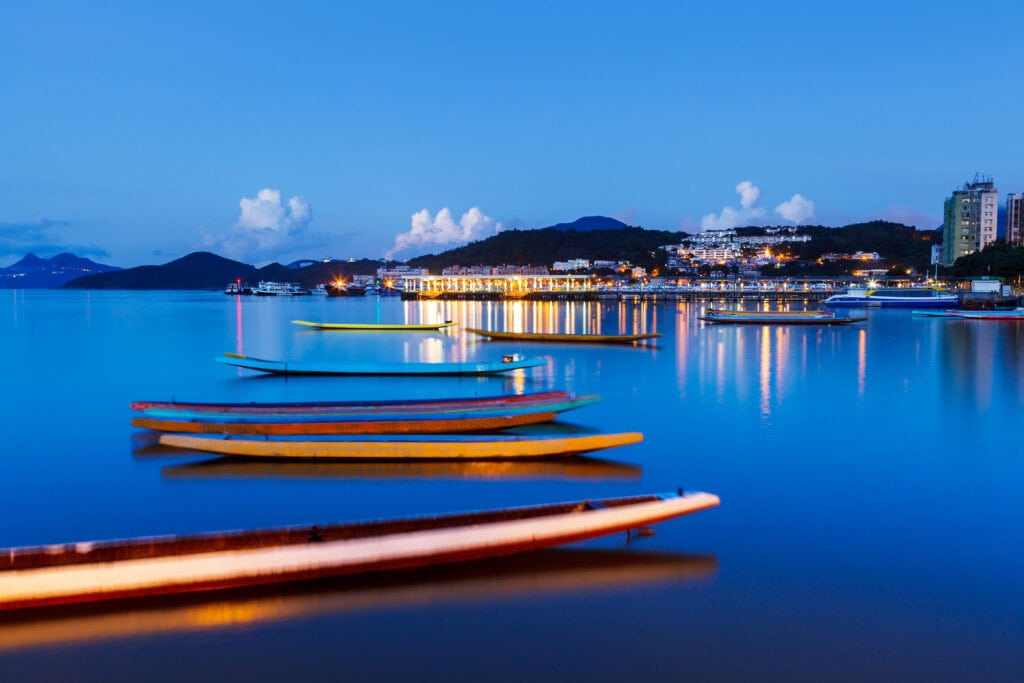
Tioman Island combines accessible reef snorkeling with a broad choice of boat dives around granite islets, sheltered bays and more exposed offshore sites. The main planning challenge is choosing the right village, because transport, beach access and dive-centre choice vary around the island.
Quick answer
For a first Tioman Island snorkeling trip, Air Batang, Salang and Paya are practical bases with convenient access to beaches and boat excursions. Tekek suits travelers who value transport connections and services, while Juara is better for a quieter east-coast stay than for maximizing access to the commonly visited west-coast dive sites.
Divers can usually choose between nearby reefs such as Renggis and Soyak and more exposed sites around Chebeh, Labas, Tiger Reef and Coral Island. Suitability depends on currents, weather, certification and recent experience, so let a reputable local dive centre select sites according to the day’s conditions.
Tioman’s main bays and villages compared
| Area | Best for | Advantages | Points to consider |
|---|---|---|---|
| Air Batang, often called ABC | Independent travelers, divers and relaxed snorkeling | Laid-back atmosphere, dive-centre choice and access to local reef areas | Beach and reef conditions differ along the village; check the location of your accommodation |
| Salang | Snorkelers and travelers focused on diving | Convenient for northern and offshore boat trips, with reef access in the wider bay | More remote from Tekek’s transport facilities and services |
| Tekek | First-time visitors prioritizing logistics | Main service hub and a useful base for reaching nearby dive operations | Less of a secluded beach setting than the smaller villages |
| Paya | Short stays, couples and resort-based trips | Compact base with easy access to organized snorkeling and diving excursions | Dining and activity choices may be tied more closely to local resorts |
| Genting | Travelers seeking a quieter west-coast base | Village atmosphere and access to boat-based activities | Fewer operators and services than in the principal hubs |
| Juara | Quiet stays and travelers who prefer the east side | Longer beach setting and a more removed atmosphere | Less convenient for many west-coast dive sites; sea conditions can differ from the sheltered side |
Best Tioman Island snorkeling areas
Snorkeling Tioman can involve swimming from a beach, joining a short local boat trip or taking a multi-stop excursion. Visibility, currents and marine life vary with weather, tides and recent sea conditions, so no bay is consistently perfect.
Air Batang and the ABC coastline
Air Batang is a flexible choice for travelers who want to combine independent beach time with organized snorkeling. Some sections of coast provide reef access, while local operators can arrange trips to sites that are less practical to reach from shore.
Ask where the safest entry point is on the day. Coral, rocks, boat traffic and changing water depth can make one part of the coastline more suitable than another.
Salang Bay
Salang is popular with visitors whose main priorities are snorkeling and diving. The wider area has reef sections accessible from the village, while boats can reach northern locations and offshore rocks.
Do not assume the entire bay has identical conditions. Ask your accommodation or an established dive centre about current visibility, boat lanes and recommended entry points.
Paya and Renggis
Paya is convenient for organized excursions, and Renggis is among the commonly visited nearby reef areas. It can appeal to mixed groups in which some people snorkel while others dive, although the operator must confirm whether conditions suit both activities.
Renggis is normally reached by boat. Currents and surface traffic can change, so use the flotation equipment and supervision offered by your operator.
Coral Island and northern boat trips
Coral Island, also known locally as Pulau Tulai, often appears on snorkeling itineraries from northern and west-coast villages. Trips may combine more than one stop, but routes depend on sea conditions and operator decisions.
When comparing excursions, ask about group size, time in the water, flotation aids, drinking water and whether the guide enters the water with guests. A longer list of stops does not necessarily produce a better trip.
Notable Tioman dive spots
Tioman dive spots range from nearby reefs to current-sensitive offshore formations. Site names and exact routes can differ between operators, and an advertised site may be changed if conditions are unsuitable.
| Dive area | General character | Who it may suit |
|---|---|---|
| Renggis | Reef diving close to the main west-coast bases | Newer and experienced divers when conditions are appropriate |
| Soyak | Small-island reef site near Tekek and Air Batang | Divers seeking a relatively convenient local outing |
| Chebeh | Offshore granite formations with potentially more exposed conditions | Experienced divers or others approved by the operator for the day’s conditions |
| Labas | Rock formations and swim-through-style topography in suitable conditions | Confident divers with appropriate training and buoyancy control |
| Tiger Reef | Offshore reef that can be affected by current | Experienced divers when conditions and operator assessment permit |
| Coral Island area | A collection of reef and rock sites rather than one uniform dive | A range of experience levels depending on the selected location |
Never choose a site solely from an online list. Tell the dive centre honestly about your certification, number of dives, date of your most recent dive and comfort with currents. A refresher or easier first dive may be sensible after a long break.
Who Tioman suits
- Snorkelers who want both shore access and guided boat options.
- Certified divers looking for a mixture of local reefs and offshore sites.
- Couples or friends with different experience levels who need flexible activities.
- Travelers comfortable with ferry-dependent island logistics.
- Visitors who prefer a village or small-resort setting over a large urban beach destination.
Tioman may be less suitable for travelers who need guaranteed daily transport, extensive nightlife or completely step-free access. Jetties, boats, sandy paths and wet boarding conditions can create practical difficulties, so discuss mobility requirements directly with transport providers and accommodation before traveling.
How to get to Tioman
Most visitors travel overland to a mainland ferry terminal and continue to Tioman by passenger ferry. Mersing and Tanjung Gemok are the principal gateways commonly used for island services. The terminal used, departure pattern and village stops can vary, so verify your ticket details with the current operator rather than relying on an old timetable.
From Kuala Lumpur
Travelers commonly reach the ferry coast by intercity bus, private transfer or a combination of local transport. Build in a generous margin before the ferry, especially when arriving on an international flight or traveling during busy periods. A mainland overnight stay can reduce the risk created by separate transport bookings.
From Singapore
The usual journey involves crossing into Malaysia and continuing by road to the relevant ferry terminal. Border queues and road conditions are unpredictable, so avoid arranging a tight same-day connection. Check current passport and entry requirements through official sources before departure.
Ferry and island arrival
Ferry operations may be influenced by weather, sea conditions, tides and operational changes. Confirm the departure terminal, check-in instructions, luggage policy and intended Tioman stop shortly before traveling.
Tioman’s villages are not all connected by one continuous road network. Depending on your base, onward transport may involve walking, a local vehicle or a boat transfer. Ask your accommodation how guests normally reach it from the ferry stop and what happens if the ferry uses a different stop.
When to plan snorkeling and diving
Tioman lies off Peninsular Malaysia’s east coast, where the northeast monsoon can bring rougher seas, heavier rain and disruption to some tourism and ferry services. Conditions vary from year to year, and rain is possible outside the monsoon period as well.
For wider seasonal context, read Best Time to Visit Malaysia: Month-by-Month (West vs East Coast) before choosing dates.
Even in a generally favorable season, underwater visibility can change after rain, wind or swell. Contact a local operator shortly before the trip for a realistic update, but remember that conditions can still change overnight.
Choosing a snorkeling or dive operator
For snorkeling, ask whether the trip includes an in-water guide, correctly sized masks, flotation aids and a clear boat-safety briefing. Families should confirm supervision arrangements rather than assuming a general boat guide will provide individual assistance.
Divers should ask about instructor or divemaster credentials, equipment maintenance, group size, emergency oxygen, communication procedures and the operator’s plan for managing an incident. Confirm what is included in the dive package and whether marine permits or local fees are separate.
If renting equipment, try everything before leaving the centre. Check mask fit, fin comfort, buoyancy equipment, gauges and exposure protection. Report problems immediately rather than attempting to tolerate poorly fitting gear underwater.
Practical tips for European travelers
- Leave recovery time after a long-haul flight. Fatigue, dehydration and jet lag are poor preparation for a first dive.
- Use travel insurance that explicitly covers your planned depth, type of diving and any other water activities. Standard policies may exclude scuba diving or impose conditions.
- Follow your training agency’s current guidance on flying after diving. Keep an adequate interval between the final dive and any flight.
- Carry some local currency because card acceptance and cash access can be limited outside the main service areas.
- Bring reef-conscious sun protection, a rash vest, a reusable water bottle and dry storage for electronics. Check local rules before using any sunscreen product in the water.
- Pack prescription medication in your hand luggage and bring enough for delays. Seek professional medical advice for any condition that may affect diving.
- Check electrical compatibility and bring a suitable adapter for your devices.
- Keep at least one flexible night in your wider Malaysia itinerary when a ferry cancellation would jeopardize an international flight.
Responsible reef behavior
- Do not stand on coral, even in shallow water.
- Maintain enough distance to avoid kicking the reef with fins.
- Do not touch, chase or feed marine animals.
- Secure cameras and gauges so they do not drag across the bottom.
- Use a life jacket or flotation aid if this helps you remain horizontal and controlled.
- Take rubbish back to shore and avoid collecting shells or marine life.
Beginners often protect the reef better with a guided session than by struggling independently in shallow coral areas. If you are not a confident swimmer, explain this before boarding rather than waiting until you are in the water.
FAQ
Is Tioman Island good for snorkeling from the beach?
Yes, several west-coast villages offer access to reef areas from or near the shore. However, coral coverage, visibility, currents and safe entry points differ by location and day. Ask locally before entering and stay clear of jetties and boat lanes.
Which area is best for first-time visitors?
Air Batang offers a useful balance of relaxed accommodation, snorkeling and diving, while Tekek is practical for services and transport. Salang suits visitors who want water activities to dominate the trip, and Paya works well for a compact resort-based stay.
Can beginners dive at Tioman?
Beginners can often find training and suitable dives, subject to medical fitness, weather and operator assessment. Choose a recognized dive centre, disclose your experience honestly and accept a change of site if the planned location is too demanding.
Should I reserve ferries and diving in advance?
Advance planning is sensible when travel dates are fixed, but confirm all current terms directly with the providers. Ferry schedules can change, and dive-site plans remain dependent on weather, currents and participant experience.
Final recommendation
Choose Air Batang or Salang if snorkeling and diving are the main reasons for your trip, or Tekek if straightforward logistics matter more. Allow flexibility around ferries, select operators by safety standards rather than the number of advertised sites, and treat daily sea conditions as the deciding factor for every excursion.