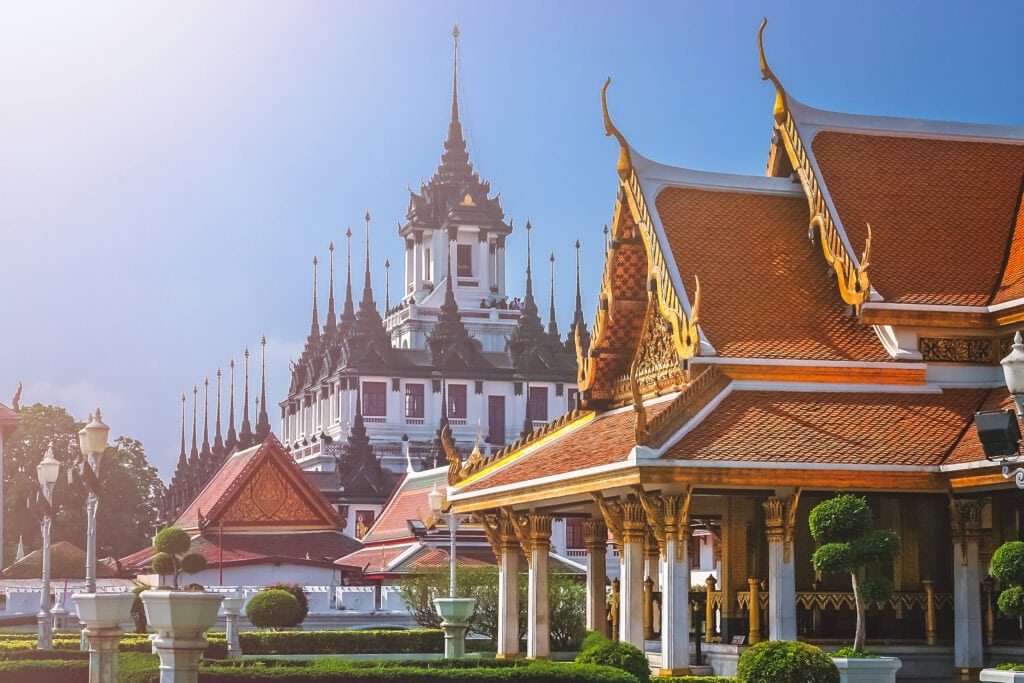
Thailand travel cost per day for European visitors
This guide is for European travellers planning a trip to Thailand and wanting a calm, realistic picture of daily costs rather than guesswork or social media extremes. It focuses on how much you are likely to spend per day, how prices vary between regions, and where your budget actually goes once you are on the ground. Understanding thailand travel cost per day matters because the country offers everything from simple guesthouses and street food to refined resorts and tasting menus, and it is very easy to either overspend or underestimate expenses. For a wider orientation to the Thai capital before you look at numbers, the overview on where to stay in Bangkok for first-time visitors provides helpful context on the city’s main areas. Thailand lies in mainland Southeast Asia, stretching from the northern hills around Chiang Mai down to the tropical beaches of the Andaman Sea and the Gulf of Thailand, and this geographic diversity is one of the main reasons daily budgets can look quite different from one traveller to another.How daily budgets in Thailand break down
When European travellers talk about a thailand daily budget, they are usually combining several categories: accommodation, food and drink, local transport, activities, and incidental spending. Looking at each category separately makes it easier to adjust expectations to your own travel style.- Accommodation: This is typically the largest single expense, especially in Bangkok, major islands, and popular beach towns. Costs vary strongly between basic fan rooms in smaller towns and design-forward hotels in central city districts or on the beach.
- Food and drink: Thailand remains one of the most rewarding countries for eating well at modest cost. Street food, simple shophouse restaurants, and modern cafés coexist with high-end dining rooms, particularly in Bangkok, Phuket, Koh Samui and Chiang Mai.
- Local transport: Within cities this covers skytrain and metro rides, taxis, rideshare services, river boats, and in some places tuk-tuks or songthaews. On the islands, local transport may mean shared trucks, small taxis or scooter rental.
- Activities and sightseeing: Temple visits, museum entrances, guided food walks, island-hopping boat trips and diving or snorkelling excursions can all form a noticeable part of your daily spend, especially in beach destinations.
- Everyday extras: Coffee, occasional drinks, laundry, mobile data, small gifts and personal care services such as Thai massage are easy to overlook but can add up across a longer itinerary.
Budget, mid-range and comfortable daily spending styles
Cost of travel Thailand figures vary widely online because they are based on very different comfort levels. Instead of one general number, it is more helpful to picture three broad approaches to daily spending and see which feels closest to your own habits.Budget-conscious independent travellers
This style suits backpackers, gap-year travellers and anyone comfortable with simple surroundings. Accommodation is usually in basic guesthouses, hostels or small family-run hotels. Street food, food courts and local markets feature prominently, and public transport or walking is preferred where possible. For this group, the biggest variable tends to be paid activities. Choosing a few selective excursions, such as a day trip to islands from Krabi or a cooking class in Chiang Mai, and mixing them with free or low-cost experiences like temple visits and markets keeps overall spending controlled without feeling restricted.Mid-range European city-break habits
Many visitors from Europe travel with expectations shaped by weekend city breaks at home. In Thailand this usually translates into comfortable, well-located hotels, a mix of local restaurants and more polished dining rooms, and the convenience of taxis or rideshares for part of the day. For this style of travel, thailand travel cost per day reflects a balance between comfort and value: you might stay in a modern hotel in central Bangkok, enjoy coffee and pastries in contemporary cafés, and book a curated food tour or guided visit to a historic district rather than planning everything fully independently.Comfortable yet still budget-aware travellers
The third group values comfort and aesthetics but still keeps an eye on overall spending. This might mean staying in a design hotel in Chiang Mai while choosing simpler bungalows on quieter parts of the islands, or alternating between relaxed beach days and one or two higher-cost experiences such as a diving trip or private boat ride. In this bracket, accommodation and activities are often the main drivers of cost, while everyday spending on street food lunches or local markets remains relatively modest. Being selective about when to spend more makes it possible to enjoy a refined experience without losing sight of your preferred daily budget ceiling.Regional differences: what shapes Thailand prices in 2026
Thailand prices 2026 will not be uniform across the country. Regional differences and local patterns of tourism have a clear influence on your day-to-day budget, even if you keep your travel style consistent throughout your itinerary.Bangkok and major cities
Bangkok, Chiang Mai and, to a lesser extent, Chiang Rai are the main urban centres most European visitors encounter. These cities usually have the broadest price range in each category, from modest guesthouses to hotels with skyline views and from street food stalls to celebrated tasting menus. In Bangkok, you are more likely to use public transport such as metro and skytrain, especially if you stay within the central neighbourhoods and follow the kind of area overview mentioned in first-time visitor guides. The city is where many travellers allocate a slightly higher daily budget to explore diverse food options, rooftop perspectives and cultural experiences concentrated in a small area.Northern Thailand
Chiang Mai and other northern towns are often perceived as more affordable due to a relaxed pace and abundant local food options. Accommodation can be good value, especially away from peak festival periods, and many of the main attractions—temples, markets, and viewpoints—either cost little or nothing to visit. The main adjustment in your thailand daily budget for the north may come from choosing nature-focused excursions: hikes in national parks, ethical elephant experiences or visits to hill villages. These usually take the form of full or half-day trips, so they raise spending on particular days rather than across your entire stay.Islands and beach destinations
Southern islands such as Phuket, Koh Samui, Koh Phi Phi and the Krabi coastline remain among the most sought-after locations, and this is reflected in overall cost of travel Thailand figures. Beachfront accommodation, island transfers and boat-based activities all tend to be higher than on the mainland. Spending patterns vary according to the island’s character. Phuket and Samui have a wide spectrum of dining and nightlife, with prices rising around heavily developed beaches and falling in quieter areas. Smaller islands such as Koh Lanta or some of the Trang islands may have fewer high-end options but can feel more relaxed, with spending focused on comfortable bungalows and simple local food.Accommodation, food and transport: how they shape your budget
Once you understand regional differences, the next step is to look more closely at the main components that shape thailand travel cost per day. Adjusting just one or two of these can have a noticeable effect on your total daily spending.Accommodation choices
Location within each destination plays a major role. In Bangkok, for example, staying closer to public transport nodes reduces the need for taxis while typically raising room rates, whereas more distant neighbourhoods may offer quieter streets and lower costs but require additional time and transport planning. On the islands, beachfront properties often command a premium compared with options set a few minutes’ walk inland. Many European travellers choose a compromise: staying slightly back from the water in an attractive property and using the difference to enhance activities or dining.Eating and drinking habits
Food and drink are where Thailand can feel especially forgiving to different budgets. Street food, local markets and simple noodle shops offer flavourful meals, while cafés, bistros and more elaborate restaurants appeal to travellers seeking variety or a slower pace. Alcoholic drinks, particularly imported wine and spirits, can influence your daily budget more than food itself. Those who keep alcohol consumption modest or focus on local beverages often find their overall spending on dining surprisingly moderate compared with European capitals.Local transport and internal journeys
Within cities, thoughtful use of transport keeps budgets and time under control. In Bangkok, combining public transport with short rideshares or taxis for late evenings is often an efficient balance. In Chiang Mai’s compact old town, walking and occasional songthaew rides may be sufficient. In beach destinations, transport may involve a mix of shared pickups, small taxis and ferries between islands or to offshore beaches. When planning internal journeys between regions—Bangkok to Chiang Mai, or the capital to the islands—it can be useful to account for transfers and local ground transport as part of your total trip budget rather than seeing them as part of daily spending alone.Hidden and overlooked costs in a Thailand daily budget
Even with careful planning, some costs tend to be underestimated when thinking about thailand prices 2026. Being aware of them early makes your daily budget more realistic and reduces surprises once you arrive.- Mobile data and connectivity: Local SIM cards or eSIMs with data remain relatively good value, but for longer trips or heavy data use it is worth including them in your calculations. For some travellers this also replaces the need for printed maps or guidebooks.
- Entrance fees and donations: While many temples are free, some major sites charge an entrance fee, and modest donations may be expected in certain contexts. Over a multi-city itinerary, these small amounts become a noticeable part of cultural sightseeing costs.
- Laundry and everyday services: Travelling in a hot and humid climate means more frequent laundry. Whether you use hotel services or local laundries, it is helpful to reserve a small portion of your daily or weekly budget for this.
- Massage and wellness treatments: Thailand is known for affordable Thai massage, spa treatments and foot massages. Many travellers choose these more often than expected, especially on beach days, which gently raises the daily average.
- Seasonal fluctuations: Peak travel periods, major festivals and holiday seasons can influence accommodation and some activity prices, particularly in popular beach regions. Visiting slightly outside the busiest times can stabilise your budget while still offering favourable conditions in many parts of the country.
Budget planning strategies for European travellers
With a clear sense of cost categories and regional variations, the final step is shaping a budget that feels comfortable for your own travel rhythm. Rather than chasing the very lowest possible number, many visitors from Europe find it more satisfying to aim for a balanced daily figure that allows for occasional treats and a slower pace. One approach is to identify the elements that matter most to you—perhaps a calm, well-designed room, or the chance to enjoy contemporary Thai cuisine in Bangkok—and accept that these will take a larger share of your total. You can then consciously simplify other areas, such as choosing street food dinners a few nights per week or favouring low-cost, self-guided city walks over multiple organised tours. Another useful tactic is to plan your itinerary so that higher-cost locations are balanced by more modest ones. For example, a few days in central Bangkok followed by a period in northern Thailand before ending on the islands can help even out your overall cost of travel Thailand, especially if you choose less commercialised beaches for the final part of your trip.Practical travel tips for managing costs in Thailand
- Plan routes around transport hubs: In Bangkok, staying within walking distance of metro or skytrain stations reduces both costs and journey times across the city.
- Use local transport where it is efficient: In cities, combine public transport with taxis or rideshares rather than relying entirely on one mode.
- Walk in compact areas: Historic centres such as Chiang Mai’s old town or older districts in major cities are often best explored on foot, which also keeps transport spending modest.
- Consider travel times between regions: Longer overland journeys or connecting flights can affect both budget and energy levels, so build in rest days after major moves.
- Adjust meal patterns to the climate: Many travellers prefer lighter lunches and more substantial evening meals in the heat, which can naturally favour street food or simple cafés during the day.
- Carry small denominations of cash: Local markets, small eateries and some transport options operate more smoothly when you have appropriate change.
- Respect local norms at temples: Modest dress and calm behaviour are expected. Having appropriate clothing ready avoids last-minute purchases at tourist prices.
- Check opening hours and days: Some markets, galleries or attractions have specific days or times, so grouping visits can minimise repeat journeys across the city.
- Allow space in your budget: Leaving a margin for unplanned experiences—such as a festival, a recommended café or a spontaneously booked excursion—reduces the need to adjust plans later.
FAQs about Thailand travel cost per day
How much should I budget per day in Thailand as a European traveller?
The right thailand daily budget depends on your comfort level, but most European visitors find that a moderate, flexible daily figure comfortably covers accommodation, meals, local transport and some activities, with occasional higher-cost days for special excursions or internal travel between regions.Is Thailand still affordable in 2026 compared with other destinations?
Thailand prices 2026 are expected to remain favourable compared with many European cities and with some other long-haul destinations. While certain areas and activities have become more expensive over time, careful planning and choices about where to stay and eat can keep overall costs moderate.Which part of Thailand is best for a lower daily budget?
Northern Thailand, especially Chiang Mai and smaller nearby towns, often feels more relaxed on the wallet than the busiest islands or central beachfront areas. Modest accommodation, plentiful local food and many low-cost cultural sights help keep the overall cost of travel Thailand lower without compromising on experience.Are islands and beaches much more expensive than Bangkok?
Many islands and beach destinations do involve higher costs for accommodation and activities, especially around well-known beaches. However, Bangkok can feel more expensive for dining and nightlife if you favour high-end venues, so the comparison depends on your particular habits and the areas you choose within each destination.How can I avoid overspending on transport in Thailand?
Using public transport where it is efficient, especially in Bangkok, combining walking with short rides instead of multiple long taxi journeys, and grouping activities by area all help stabilise thailand travel cost per day related to transport. Considering route and timing when planning your itinerary is often more effective than focusing only on individual fares.Conclusion: balancing cost, comfort and experience
Thinking clearly about thailand travel cost per day allows European travellers to approach the country with realistic expectations and without unnecessary constraints. Daily budgets vary, but the underlying pattern is consistent: accommodation choices, location, and a handful of key activities shape your overall spending far more than everyday meals and small purchases. By understanding regional differences, identifying where you personally value comfort, and allowing a margin for spontaneous experiences, it becomes possible to enjoy Thailand’s cities, countryside and islands in a way that aligns with both your budget and your preferred travel style.Recommended next:
- Thailand Itinerary 10 Days: Bangkok, Chiang Mai & Islands for First-Timers
- Thailand Itinerary 14 Days: Classic Route with Beaches and Northern Culture
- Thailand in 7 Days: Bangkok + One Beach Base (No Rushing)
- Best Time to Visit Thailand: Month-by-Month Weather for Europeans
- Thailand Travel Insurance Guide: What to Cover and What to Skip
- More in Thailand →