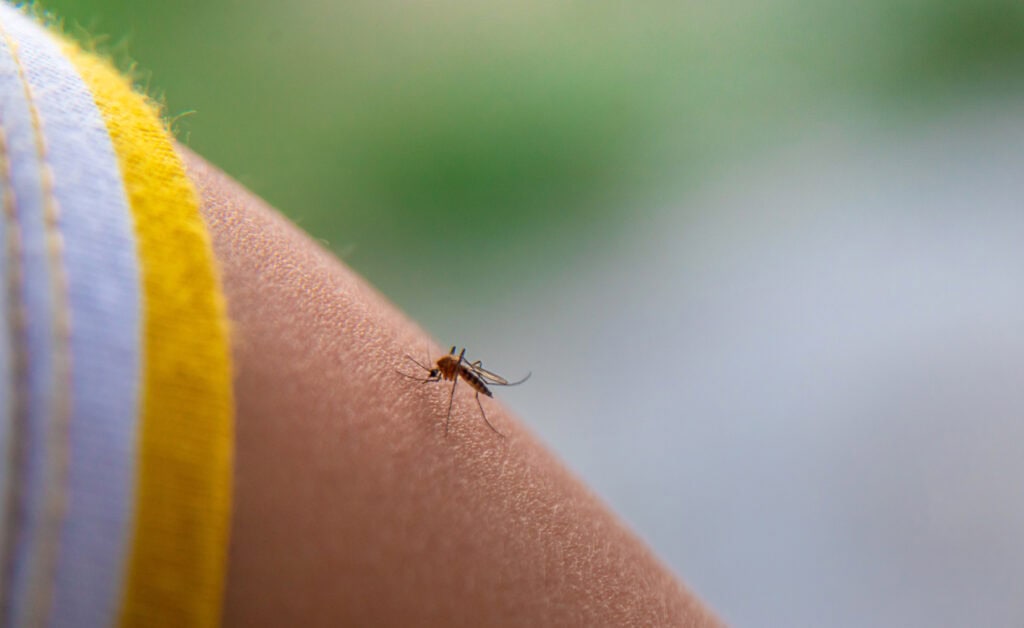
Thailand is a warm, humid destination where mosquitoes can affect comfort as well as health. This thailand mosquito health guide is written for European travellers who want practical prevention steps without alarmism: what to pack, how to choose accommodation, and what to know about dengue awareness before and during your trip.
This is not a substitute for medical advice. Check current guidance from your national health service or travel clinic before departure, especially if you are travelling with children, are pregnant, have a medical condition, or will spend time in rural areas.
Quick answer
For most travellers, mosquito prevention in Thailand is about consistency. Use a suitable repellent, cover up at higher-risk times and places, choose accommodation with good barriers such as screens or air-conditioning where possible, and take symptoms such as fever seriously while travelling or after returning home.
- Pack repellent before you fly: bring a product you know you tolerate, then top up locally if needed.
- Use it daily: mosquitoes in Thailand can bite in both daytime and evening settings.
- Choose hotels carefully: look for air-conditioning, window screens, mosquito nets where relevant, and recent guest comments about mosquitoes.
- Be dengue-aware: dengue can occur in Thailand, so seek medical advice if you develop fever, severe headache, rash, body aches, or feel unusually unwell.
- Review insurance: for wider health planning, read our Thailand Travel Insurance Guide: What to Cover and What to Skip.
Mosquitoes in Thailand: what travellers should expect
Mosquitoes in Thailand are not limited to remote jungle areas. Travellers may notice them in cities, beach towns, islands, hotel gardens, restaurants with open sides, markets, national parks, and anywhere with standing water after rain.
The level of nuisance varies by season, location, weather, accommodation style, and even the room you are given. A modern city hotel with sealed windows may feel very different from a bungalow near vegetation or water.
Common situations where bites are more likely
- Outdoor breakfasts, cafes, bars, and restaurants with open seating
- Beachfront or riverside accommodation
- Rooms with gaps around doors, open bathroom vents, or unscreened windows
- Gardens, poolsides, and shaded courtyards
- Rainy or humid periods, especially where water collects
- Nature trips, rural stays, and boat or island travel
Dengue Thailand travel awareness
Dengue is one of the main mosquito-related health concerns travellers associate with Thailand. It is often linked with mosquitoes that can bite during the day, so prevention should not be limited to dusk and night.
The aim is not to panic, but to avoid casual mistakes: skipping repellent at breakfast, leaving balcony doors open, or assuming mosquitoes are only a problem in rural locations.
Symptoms that deserve attention
If you develop a high fever or feel significantly unwell during your trip or after returning to Europe, seek medical advice and mention that you have recently been in Thailand. Symptoms that may be associated with mosquito-borne illness can include fever, strong headache, muscle or joint aches, rash, nausea, or unusual fatigue, but only a clinician can assess your situation.
Before taking painkillers for fever while dengue is a possibility, ask a medical professional or pharmacist for advice, as not every medication is suitable in every situation.
Thailand repellent tips: what to pack and how to use it
A good repellent is one of the simplest ways to reduce bites. European travellers should consider bringing enough for the first part of the trip, especially if arriving late or travelling directly to an island, rural area, or small resort.
Choosing a repellent
Common travel repellents often contain active ingredients such as DEET, icaridin or picaridin, or IR3535. Availability, formulation, and guidance can vary by country, so follow the product label and ask a pharmacist or travel clinic if unsure.
If you have sensitive skin, test the product before travel. For children, pregnant travellers, or anyone with skin conditions, get medical or pharmacy advice before relying on a specific product.
Using repellent effectively
- Apply repellent to exposed skin according to the label.
- Reapply as directed, especially after sweating, swimming, or showering.
- If using sunscreen, check product instructions for the correct order of application.
- Do not spray directly onto the face; apply to hands first if the label allows.
- Wash hands after applying, particularly before eating.
- Keep repellent in your day bag, not only in your hotel room.
Repellent, clothing, and room protection compared
No single method is perfect. The best approach is layered prevention, especially on trips that combine Bangkok, islands, temples, markets, and nature.
| Prevention step | Best use | Things to check |
|---|---|---|
| Skin repellent | Daily sightseeing, outdoor meals, beaches, tours | Active ingredient, age guidance, reapplication instructions |
| Long sleeves and trousers | Evenings, temples, jungle walks, boat trips | Lightweight breathable fabric for heat and humidity |
| Air-conditioned room | Urban hotels and resort stays | Doors and windows should close properly |
| Window and door screens | Guesthouses, villas, bungalows, eco-lodges | Check for gaps or damaged mesh after arrival |
| Mosquito net | More open-style accommodation, rural stays | Needs to be intact and tucked in correctly |
| Plug-in devices or coils | Some rooms and outdoor settings | Use only as instructed and consider ventilation |
How to choose hotels with mosquitoes in mind
Hotel choice can make a noticeable difference to comfort. This does not mean avoiding characterful stays, beach bungalows, or nature lodges, but you should understand the trade-offs before booking.
What to look for in accommodation descriptions
- Air-conditioning or well-sealed rooms
- Window screens or mosquito nets for open-air rooms
- Good room maintenance, especially around doors and bathroom vents
- Recent reviews mentioning cleanliness, insects, or mosquito issues
- Location away from stagnant water where practical
- Clear photos of rooms, balconies, bathrooms, and sleeping areas
Questions worth asking before arrival
If mosquitoes are a concern, message the property before you travel. Ask whether the room has screens, whether windows fully close, and whether mosquito nets are provided if the room is open-air. For remote stays, ask what guests typically use for mosquito prevention.
Who it suits: choosing the right stay style
| Accommodation style | Best for | Mosquito trade-off |
|---|---|---|
| Modern city hotel | First-time visitors, short stays, business-style comfort | Often easier to keep sealed, but mosquitoes may still appear in lobbies or outdoor areas |
| Beach resort | Couples, families, relaxed holidays | Gardens, pools, and beachfront dining can attract mosquitoes |
| Bungalow or villa | Privacy, island stays, longer holidays | Check screens, door gaps, bathrooms, and nets carefully |
| Eco-lodge or rural guesthouse | Nature-focused travellers | More exposure is possible; layered protection is especially important |
| Budget guesthouse | Backpackers and flexible travellers | Read recent reviews and inspect the room on arrival if possible |
Practical packing checklist for European travellers
Many mosquito prevention items can be found in Thailand, especially in larger towns and tourist areas, but it is sensible to arrive prepared. Product names and formulations may differ from what you use at home.
- Travel-size repellent for your hand luggage, within airline liquid rules
- Full-size repellent in checked luggage if needed
- Lightweight long-sleeved shirt
- Lightweight long trousers or a maxi skirt for evenings and temple visits
- Thin socks for outdoor seating or garden restaurants
- After-bite soothing product if you normally use one
- Any regular medication and basic first-aid items
- Copies of travel insurance details and emergency contacts
Daily habits that reduce bites
Small habits matter in Thailand because bites often happen during ordinary moments: breakfast outdoors, waiting for a ferry, walking through a hotel garden, or sitting in a tuk-tuk or taxi queue.
- Apply repellent before leaving your room, not after the first bites.
- Keep balcony doors closed when the lights are on.
- Do not leave bathroom windows open if they have no screen.
- Use a fan or air-conditioning where available, as moving air may make biting less likely.
- Wear longer clothing in the evening, especially near water or vegetation.
- Check under tables and around ankles at outdoor restaurants.
- Empty small containers of standing water if you are staying in a villa or long-stay apartment and it is appropriate to do so.
Thailand by trip type: where to be extra prepared
Bangkok and other cities
City travellers should still use repellent, particularly around canals, parks, markets, rooftop gardens, riverside areas, and open-air restaurants. A sealed, air-conditioned room can help at night.
Islands and beach areas
Beach destinations can feel breezy, but mosquitoes may still be present around gardens, shaded paths, beach bars, and rooms near vegetation. Pack repellent for sunset drinks and early breakfasts as well as daytime trips.
Northern Thailand and nature trips
If your itinerary includes rural stays, trekking, waterfalls, elephant sanctuaries, or national parks, plan more carefully. Wear longer clothing, carry repellent during the day, and check accommodation protection before booking.
Family travel
Families should check age-appropriate repellent guidance before departure. Children may forget to reapply, so build mosquito prevention into the routine before meals, tours, and evenings outdoors.
When to get medical advice
Seek medical advice promptly if you develop fever, feel seriously unwell, or have symptoms that concern you during your stay in Thailand. Also seek advice after returning to Europe if symptoms develop in the days or weeks after travel, and tell the clinician where you have been.
For personalised recommendations, consult a travel clinic or your national health service before departure. Advice can vary depending on your route, health history, trip length, and activities.
FAQ
Are mosquitoes in Thailand only a problem at night?
No. Travellers can be bitten during the day as well as in the evening. This is why repellent is useful for breakfast, sightseeing, markets, tours, and outdoor transport connections, not only for dinner.
Is dengue a risk for travellers in Thailand?
Dengue can occur in Thailand, so travellers should take mosquito prevention seriously and seek medical advice for fever or worrying symptoms. Check current official health guidance before you travel.
Should I bring mosquito repellent from Europe or buy it in Thailand?
It is sensible to bring some from Europe so you are protected immediately on arrival. You can often buy more locally in tourist areas, but availability and formulations may vary.
Do I need a mosquito net in a Thailand hotel?
Not always. In sealed, air-conditioned rooms, a net may be unnecessary. In open-air bungalows, rural stays, or rooms without proper screens, a net can be useful if it is provided, intact, and used correctly.
Final recommendation
For a comfortable Thailand trip, treat mosquito prevention as a normal daily habit rather than a last-minute reaction. Pack reliable repellent, choose accommodation with good room protection, stay dengue-aware, and get medical advice if symptoms appear during or after your journey.