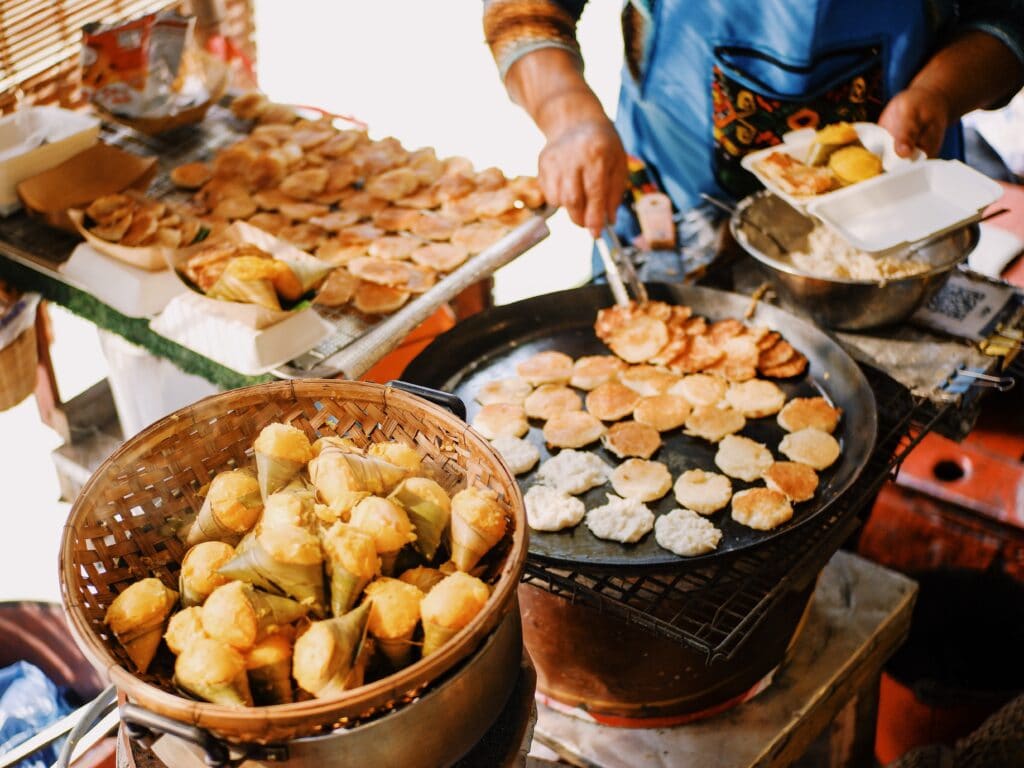
Introduction: A Calm Welcome to Thai Street Food
This Thai street food guide is designed for European travellers who are curious about eating locally in Thailand but prefer a calm, structured introduction rather than trial and error. It focuses on street food as an accessible way to understand Thai flavours, textures, and everyday life.
Thailand’s street food culture stretches from Bangkok’s neon-lit main roads to quiet night markets in Chiang Mai and beach towns, and it can feel overwhelming on a first visit. Understanding what to order, how to order it, and what to expect makes the experience more enjoyable and less intimidating. For a broader orientation to the city itself, many visitors pair food exploration with choosing a well-located base using resources such as area-focused guides to where to stay in Bangkok as a first-time visitor.
Orientation: Thailand lies at the heart of mainland Southeast Asia, with Bangkok as a major gateway city where most travellers will first encounter Thai street food culture.
Understanding Thai Street Food Culture
Thai street food is not a novelty created for visitors; it is a daily habit for locals. Many people in Bangkok and other cities eat at least one meal a day from stalls or modest shophouse kitchens. This regular local demand usually keeps food fresh, affordable, and surprisingly efficient.
In busy districts of Bangkok, such as Sukhumvit, Silom, and the Old Town, stalls are often semi-permanent, operating at set times of day: noodle vendors in the morning, rice-and-curry stalls at lunch, grilled skewers and sweets in the evening. In smaller towns, you are more likely to find everything concentrated in a night market that opens from late afternoon.
For first-timers, the key is to see street food as part of the city’s infrastructure rather than a one-off “experience”. Start with one or two meals a day from stalls, then adjust as you become more comfortable with flavours, spice levels, and the informal ordering style.
Thai Dishes to Try: A Gentle First-Timer Shortlist
Many visitors start with the same famous plates, but there is a wide range of approachable dishes beyond pad thai. Below is a calm, beginner-friendly list of thai dishes to try that keeps spice levels manageable and ingredients familiar to European palates.
- Pad Thai (ผัดไทย)
Perhaps the most recognisable noodle dish, pad thai combines stir-fried rice noodles with egg, tofu or prawns, bean sprouts, chives, and crushed peanuts. The flavour is gently tangy and slightly sweet. It is a reassuring starting point for those nervous about spice. - Pad See Ew (ผัดซีอิ๊ว)
Wide rice noodles stir-fried with Chinese broccoli, egg, and meat (often chicken or pork) in a dark soy sauce. The taste is savoury and comforting, similar to some Chinese wok-fried noodles. - Khao Pad (ข้าวผัด – Fried Rice)
Thai fried rice, usually with egg, onion, and your choice of meat or prawns. It is typically mild, with lime and fish sauce on the side so you can adjust the flavour. Ideal when you want something simple or are recovering from jet lag. - Tom Yum (ต้มยำ)
A hot-and-sour soup most often served with prawns (tom yum goong). At street level, it can be quite spicy, but you can request a milder version. Expect lemongrass, lime, chilli, and fresh herbs. - Tom Kha Gai (ต้มข่าไก่)
Coconut-based chicken soup with galangal, lemongrass, and lime. It is creamier and usually less spicy than tom yum, making it a good introduction to Thai soups. - Som Tam (ส้มตำ – Green Papaya Salad)
A crunchy salad made from shredded unripe papaya, lime, fish sauce, peanuts, and chilli. Flavourful and refreshing, but often very spicy by default, so it is a good test case for learning how to ask for less heat. - Moo Ping (หมูปิ้ง – Grilled Pork Skewers)
Marinated pork skewers grilled over charcoal, often eaten with sticky rice. Mild, gently sweet, and highly popular as a late-afternoon or evening snack. - Khao Man Gai (ข้าวมันไก่ – Hainanese Chicken Rice)
Boiled chicken served over fragrant rice cooked in stock, with a light broth and dipping sauce. The flavours are delicate and very approachable, especially if you want a break from chilli.
Start with these dishes and then, as you gain confidence, move toward more regional specialities in markets across Thailand.
How to Order Street Food in Thailand Without Stress
Ordering street food can feel daunting if you do not speak Thai, but the routine is fairly predictable once you understand the flow. This thai food beginner guide section focuses on easing that learning curve.
At a typical stall you will see either a display of prepared dishes in metal trays (for rice-and-curry) or a small kitchen set-up with woks, grills, and baskets of fresh ingredients. In busy areas, staff are used to visitors and often understand basic English food words such as “chicken”, “pork”, “spicy” or “no spicy”.
Basic Ordering Steps
- 1. Observe briefly. Watch what locals are doing: do they pay first or after eating, where do they queue, do they seat themselves? This gives you a template to follow.
- 2. Point and smile. Pointing is perfectly acceptable in this context. Point at the dish or ingredient you want and indicate the size or quantity with your fingers.
- 3. Learn a few simple phrases. “Khao” means rice, “sen” means noodles, “gai” chicken, “moo” pork, “goong” prawns. These words, combined with pointing, cover most situations.
- 4. Confirm eat-in or takeaway. Say “here” and point to a table, or mimic a bag for takeaway. Some stalls will ask “here or take away?” in English.
- 5. Pay as others do. Many noodle or rice stalls let you pay after eating; snack vendors commonly ask you to pay immediately. If in doubt, just hold cash and wait for a gesture.
Managing Spice Levels
Thai dishes are often served with customising condiments: sugar, chilli flakes, vinegar with chilli, and fish sauce. Most street vendors can reduce the heat on request, but dishes like som tam are naturally bold.
- “Phet nit noi” – a little bit spicy
- “Mai phet” – not spicy
- “Phet mak” – very spicy
Even when you order “mai phet”, assume there may still be a mild kick compared with typical European seasoning. Taste first before reaching for extra chilli.
Street Food in Bangkok: Where Beginners Feel Comfortable
Bangkok is usually the first place travellers encounter Thai street food, and its scale can be both exciting and overwhelming. The city’s different districts each offer a distinct street food mood, from quick office-worker lunches to more atmospheric evening scenes.
In central Sukhumvit and Silom, street food bangkok is closely woven into daily work life: carts appear near BTS stations at peak times, then vanish between meals. Here, you will find grilled meats, noodle soups, cut fruit, and iced drinks that cater to office workers on tight schedules. Ordering is efficient and straightforward, but seating can be limited.
In the Old Town and around popular heritage areas, the pace is slower and there is often more space to sit, observe, and try unfamiliar dishes. These areas are well suited to travellers who enjoy combining food with gentle exploration of temples, small lanes, and the riverfront.
Bangkok’s many night markets and evening streets offer a softer introduction for first-timers. Eating after the day’s heat has faded, with cooler temperatures and more relaxed crowds, often makes the experience feel less intense.
Hygiene, Safety and What to Look For
For many European visitors, hygiene is the main concern when approaching Thai street food. Sensible choices can significantly reduce the risk of stomach discomfort without avoiding street food altogether.
Visual Checks That Help
- Turnover of food. Busy stalls serving a constant flow of customers usually have fresher food. A queue of local office workers or families is a good sign.
- Heat and cooking method. Food cooked to order in a hot wok or on a grill is generally safer than dishes sitting lukewarm. Soups brought to a visible boil are especially reassuring.
- Cleanliness of the workspace. The stall will not look like a European restaurant kitchen, but you can still check for general order, separate chopping boards, and reasonably clean utensils.
- Water and ice. Ice in Thailand is typically factory-made, but if you are sensitive, start with bottled water and soft drinks without ice, then adjust depending on comfort.
Choosing What to Try First
If you are cautious, begin with grilled items like moo ping and freshly fried noodles or rice, where you see the cooking process from start to finish. Raw salads and dishes with fresh herbs, such as som tam or larb, are more vibrant but can be harder on a sensitive stomach. Build up slowly rather than starting with the boldest options.
Snacks, Sweets and Drinks: The Softer Side of Thai Street Food
Not all Thai street food is intense or spicy. Thailand’s snacks, desserts, and drinks offer a gentler way to explore flavours, particularly in the later evening when the heat drops and locals wander night markets with friends and family.
- Mango Sticky Rice (ข้าวเหนียวมะม่วง)
Sticky rice cooked in coconut milk, served with ripe mango and a sprinkle of toasted beans. In season, this is one of the most appealing thai dishes to try for dessert, especially for those who enjoy fruit-led sweets. - Khanom Krok (ขนมครก)
Mini coconut-rice pancakes cooked in small round molds. Crisp at the edges and silky in the centre, they are mildly sweet and best eaten immediately while warm. - Roti
Thin fried dough, influenced by South Asian cooking, often filled with banana, egg, or simple sugar and condensed milk. The texture is a cross between a pancake and a flatbread, familiar yet distinctly local. - Fresh Fruit
Cut fruit stands are everywhere, offering pineapple, watermelon, guava, and sometimes more unusual choices like rose apple. Vendors usually rinse fruit and serve it in bite-size pieces with a small bag of salt and chilli, which you can skip if you prefer. - Thai Iced Tea and Coffee
Sweet, milky tea or coffee poured dramatically between metal canisters, often served over ice. These drinks are richer and sweeter than most European versions but provide a gentle way to participate in daily rituals.
Exploring these snacks and desserts is a relaxed way to engage with Thai street culture, particularly if you feel full from earlier meals but still wish to wander evening markets.
Regional Variations Worth Noticing
While Bangkok tends to dominate discussions of Thai street food, each region offers its own specialities. Even if you stay mainly in the capital, you will often find stalls that highlight regional dishes from the vendor’s home province.
- Northern Thailand
Look for khao soi (egg noodles in a curry broth with crispy noodle topping), and grilled sausages flavoured with herbs. Flavours are warming rather than searingly hot. - Isaan (Northeast)
Known for bold salads like som tam, grilled chicken (gai yang), and sticky rice. Flavours can be punchy, salty, and sour, favoured by many locals as everyday food. - Southern Thailand
Curries are often richer and spicier, with more coconut milk and seafood. If you travel to the islands, expect a stronger emphasis on grilled fish and prawns.
A simple way to widen your thai street food guide experience is to ask vendors which part of Thailand their recipes come from. Many are proud to explain, even with limited English, and it gives helpful context for what you are eating.
Practical Travel Tips for Enjoying Thai Street Food
- Carry small notes and coins, as many stalls appreciate exact or near-exact cash.
- In Bangkok, look for clusters of stalls near BTS and MRT stations around breakfast and evening commute times for fresh, high-turnover food.
- Wear light, breathable clothing; many stalls are outdoors with minimal shade, especially at lunchtime.
- Use hand sanitiser or wipes before eating, as communal napkins and sinks may be basic.
- If you have a sensitive stomach, avoid ice in the first couple of days until you gauge your tolerance.
- Be patient at peak times; street kitchens are small, and dishes are usually cooked one or two at a time.
- Respect local space: avoid blocking narrow pavements or queues while taking photos of stalls.
- Check the operating hours; many popular street food areas in Thailand are most active in the evening rather than at lunch.
FAQs: Thai Street Food for First-Timers
Is Thai street food safe for first-time visitors?
Many travellers eat street food daily without problems, especially at busy stalls where dishes are cooked to order and food turnover is high. Choose vendors with active local customers, visible heat in cooking, and relatively tidy workspaces, and start with grilled or freshly fried dishes before moving to salads and raw herbs.
What are the best thai dishes to try if I don’t like very spicy food?
Begin with pad thai, pad see ew, khao pad (fried rice), khao man gai (chicken rice), and moo ping (grilled pork skewers). These dishes are typically mild, with chilli served on the side so you can control the heat.
How do I order street food in Bangkok if I don’t speak Thai?
Pointing is widely understood. Indicate the dish or ingredients you want, hold up fingers for quantity, and say simple words like “chicken”, “pork”, or “no spicy”. Many vendors in popular areas understand basic English, and you can support communication with a few Thai words for meats and spice levels.
What time of day is best for street food in Thailand?
Breakfast and lunch are busy with office workers and students, which is excellent for fresh, fast meals, though it can be hot and crowded. Evenings, particularly at night markets, offer a more relaxed atmosphere, cooler temperatures, and a broader range of snacks, desserts, and grilled dishes.
Are there vegetarian options in Thai street food?
Yes, but they may not always be clearly marked. Simple options include fried rice or noodles with vegetables and egg, vegetable stir-fries, and some curries if made without fish sauce. It helps to learn and use a few phrases for “no meat” and “no fish sauce”, and to be prepared for some flexibility.
Conclusion
Thai street food offers an accessible, everyday window into life in Thailand, from quick office lunches in Bangkok to unhurried evening markets in smaller towns. For European travellers, the main trade-offs involve balancing curiosity with comfort: learning to manage spice levels, choosing stalls that feel reassuring, and gradually expanding from familiar noodle dishes to regional specialities. Approached with a little knowledge and unhurried observation, street food becomes less of a challenge and more of a calm, rewarding thread running through a journey in Thailand.
Recommended next:
- Thailand Itinerary 10 Days: Bangkok, Chiang Mai & Islands for First-Timers
- Thailand Itinerary 14 Days: Classic Route with Beaches and Northern Culture
- Thailand in 7 Days: Bangkok + One Beach Base (No Rushing)
- Best Time to Visit Thailand: Month-by-Month Weather for Europeans
- Thailand Travel Costs: Realistic Daily Budget for European Travelers
- Thailand Travel Insurance Guide: What to Cover and What to Skip
- More in Thailand →