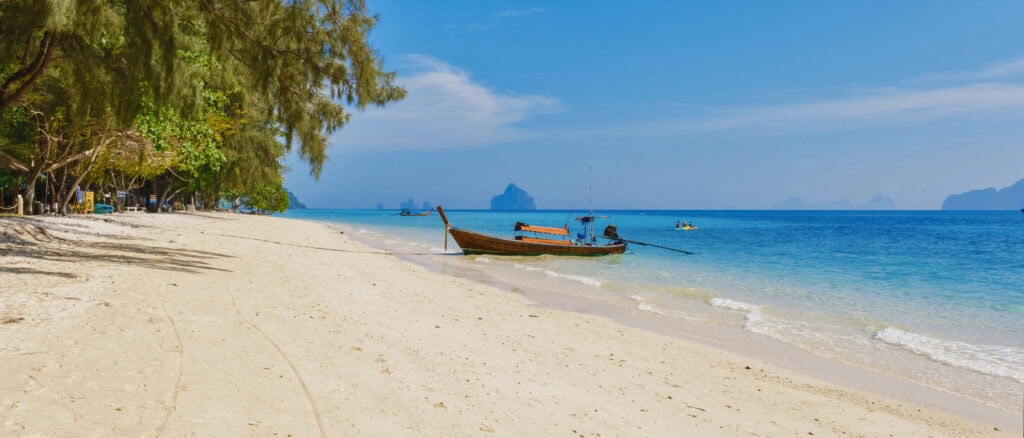
Quiet Luxury Beaches in Thailand: Best Islands and Resorts for Calm Stays
This guide is for European travellers who enjoy the sea yet prefer quiet coves, refined service and unhurried days over beach bars and party crowds. It focuses on quiet luxury beaches in Thailand, where understated resorts, soft sands and calm seas create a slow, restorative rhythm that suits long-haul visitors from Europe. For travellers pairing a beach escape with the capital, an overview of where to stay in Bangkok as a first-time visitor is a useful starting point before heading south to the islands.
Thailand’s coastline stretches from the Andaman Sea to the Gulf of Thailand, offering everything from limestone-draped bays to coconut-fringed lagoons. Within this, a handful of islands and enclaves stand out for their quiet luxury: small-scale resorts, thoughtful design, and beaches that stay peaceful even in high season. These calm beach destinations in Thailand are particularly appealing if you are flying in from Europe and want to minimise transfers, find a restful base, and explore the country at a gentle pace.
Geographically, the most appealing quiet luxury beaches cluster in three areas: the Andaman coast near Phuket and Krabi, the Gulf islands around Koh Samui, and a scattering of smaller, less-developed islands. Each region offers a different balance of seclusion, scenery and convenience, which matters when you may only have one or two weeks away from Europe.
Understanding Quiet Luxury on Thai Beaches
Quiet luxury on Thai beaches is less about spectacle and more about atmosphere. Instead of vast hotel complexes and crowded shorelines, the focus is on privacy, natural surroundings and a slow, almost residential feel. Resorts tend to be low-rise or villa-based, set among gardens or on tucked-away bays rather than main tourist strips.
For many European travellers, this style of travel fits well with the time it takes to reach Thailand. After an overnight flight, stretches of soft sand, shaded loungers and low-key beach service can feel far more restorative than a busy party scene. The best quiet islands in Thailand pair this tranquillity with good infrastructure: small airports or reliable ferries, and enough nearby services to feel comfortable but not overdeveloped.
Expect a focus on wellness, space and discreet attention. Many luxury resorts on Thailand’s beaches now weave local materials, regional cuisine and soft cultural experiences into their stays, which helps you understand where you are without the pressure of organised sightseeing. Secluded beaches also tend to have calmer seas, making them suitable for relaxed swimming, kayaking and short boat outings rather than high-octane water sports.
Andaman Coast: Secluded Corners of Phuket and Krabi
Phuket and Krabi are often associated with crowds, yet their coastlines also shelter some of the most refined, quiet luxury beaches in Thailand. The key is choosing the right bay and understanding how the area is laid out.
On Phuket, the west coast holds busy names like Patong, but look north or south and the atmosphere changes. Nai Thon, Layan and Mai Khao beaches are long, relatively undeveloped stretches where resorts sit back from the sand behind casuarina or pine trees. Here, you can walk for some distance with very few beach vendors, and sunsets arrive with more birdsong than bar music. Proximity to Phuket International Airport keeps transfers short, which is helpful for European arrivals looking for minimal onward travel.
Further south, Cape Panwa and Ao Yon offer protected bays with a neighbourhood feel rather than a resort strip. The sea is often calmer here, and the hillside setting gives many properties wide sea views. From these quieter pockets you can still access day trips to Phang Nga Bay or the nearby islands, but you return each evening to a sheltered, almost private shoreline.
Across the bay in Krabi, Railay and Tonsai are well known, yet more peaceful enclaves exist. Klong Muang and Tubkaek Beach, north of Ao Nang, have become bywords for calm beach destinations in Thailand: shallow, warm waters, a line of luxury resorts woven into the tree line, and views across the islands of Than Bok Khorani National Park. Roads are quieter here, and at night the soundtrack is mainly the sea and the occasional longtail boat returning home.
Gulf of Thailand: Koh Samui’s Gentle North and East Shores
The Gulf of Thailand offers a softer, more sheltered feel than the Andaman coast, and Koh Samui in particular has pockets where quiet luxury thrives. The island is compact, with a ring road connecting beaches, but the north and parts of the east coast retain a slower tempo that contrasts strongly with the busy central stretch around Chaweng.
Bophut, once a small fishing village, has grown more polished but still cultivates a relaxed, pedestrian-friendly waterfront. Luxury resorts here often turn inward to tranquil gardens and pools, while the beach remains suitable for calm swims and gentle paddleboarding. Evenings are sociable yet not raucous, which suits couples or friends seeking conversation and good food rather than nightlife.
Further west along the north coast, Maenam offers a deeper sense of retreat. The beach is long and golden, backed by palms and low-key roads. Villas and boutique luxury properties are spaced far apart, meaning you can walk the shoreline for long stretches with little interruption. Views to Koh Phangan add a sense of distance from the busier parts of Samui.
On the east, Choeng Mon and some small neighbouring coves combine convenience with discretion. The airport is a short drive away, yet once you are on the sand, the atmosphere feels cocooned and residential. This area works well if you want the simplicity of a single base with minimal transfers, while still benefitting from the service standards of Thailand’s luxury resorts on the beach.
Lesser-Known Islands: Best Quiet Islands in Thailand for Seclusion
For travellers who value stillness above all else, smaller islands can offer the best quiet islands in Thailand, though reaching them usually involves at least one boat transfer. The reward is a stronger sense of being away from it all, fewer buildings along the shore and night skies that still reveal a deep spread of stars.
Koh Yao Noi and Koh Yao Yai, lying between Phuket and Krabi, exemplify quiet luxury. Accessible by speedboat yet still rooted in fishing and rubber-tapping communities, they have a patchwork of rice fields, mangroves and empty beaches. Luxury resorts here tend to occupy large, low-density plots, with villas tucked into hillsides or lining peaceful coves. The pace is slow, and much of daily life happens by bicycle or small scooter rather than busy through-roads.
Further south, Koh Jum (also known as Koh Pu) offers a more castaway feel while still accommodating a handful of understated, higher-end properties. Electricity and infrastructure are more limited than on the larger islands, so this is best suited to experienced travellers who appreciate simplicity alongside comfort. Days often revolve around the tides: swimming at high tide, walking exposed sandbars at low tide, reading on shaded verandas in between.
In the Gulf, islands such as Koh Kood and Koh Mak close to Cambodia’s maritime border have started to attract quiet luxury seekers precisely because they are harder to reach. Here, coconut groves run almost to the sea, and long, shallow beaches are broken only by jetties and a few boutique properties. If you are willing to invest more travel time from Europe, these islands provide some of the calmest beach destinations in Thailand.
Koh Phi Phi and Surroundings: Finding Calm in Iconic Scenery
Koh Phi Phi is famous, and in parts decidedly busy, yet it also contains sections that align with a quiet luxury list when chosen carefully. The main pier area of Tonsai Bay can be crowded, especially during the day when boats arrive from Phuket and Krabi. However, several bays around the island are only accessible by boat or via steep paths and keep a more secluded tone.
Laem Tong Beach, on Phi Phi Don’s northern tip, is one such enclave. The sea here is usually gentle, and the sand soft and pale. A few luxury resorts sit directly on the shore, wrapped in tropical greenery. Because access is by boat and there is no through-road, evenings are particularly calm: you typically hear only the surf and the occasional distant engine from a departing longtail.
On neighbouring uninhabited Phi Phi Leh, there are no overnight stays, but many quiet luxury resorts on surrounding islands arrange early or late visits to avoid the midday crowds. Returning to a peaceful base after time among the cliffs and lagoons provides a welcome contrast, and helps maintain the restful rhythm that many European visitors seek after a long journey.
Styles of Luxury Resorts on Thailand’s Quiet Beaches
Luxury resorts on quiet Thai beaches share certain traits, even when spread between different islands. Most occupy prime sections of coastline but sit back from the high tide line, using gardens, palms and low-level lighting to protect the natural feel of the beach. Villas, suites and pavilions are often arranged in clusters rather than towers, encouraging a sense of privacy.
Service tends to be measured and discreet. Staff often remember preferences and routines, yet the emphasis is on giving guests space. Many properties integrate local textures like teak, rattan and silk into their interiors, and use open-sided pavilions or large terraces to keep guests connected to the sea breeze rather than sealed in air-conditioned rooms all day.
Wellness programmes are common: open-air yoga platforms, beachside massages, and spa menus that borrow from Thai herbal traditions. Water-based activities on these calmer beaches are gentle by design: snorkelling from small jetties, exploring mangroves by kayak, or taking slow sunset cruises instead of high-decibel jet-ski circuits.
Because many quiet luxury beaches are somewhat removed from busy villages, on-site dining is often a highlight rather than an afterthought. Menus may combine Thai regional dishes with lighter European options, suited to travellers adjusting to humidity after a cooler European climate. Bar areas are usually intimate, focused on conversation rather than entertainment.
Choosing the Right Calm Beach Destination for Your Style
When comparing calm beach destinations in Thailand, it helps to think in terms of your energy levels, preferred scenery and tolerance for travel time after leaving Europe. The Andaman coast, with Phuket and Krabi as gateways, suits travellers who prefer dramatic limestone backdrops and want the option of occasional excursions balanced with quiet bays. Transfers are relatively straightforward, and you can reach peaceful beaches within an hour or two of landing.
The Gulf islands, especially Koh Samui, favour those drawn to coconut-fringed shores, gentler seas and a compact island layout. Here, even if you base yourself on a quiet beach, you can reach small towns, viewpoints and inland temples without long journeys. It suits honeymooners, couples and families looking for a calm but not isolated experience.
Smaller, less-developed islands are better if your priority is seclusion and you are comfortable with lower levels of infrastructure beyond your resort. These destinations reward unhurried stays: lingering for a week or more, accepting that boat schedules and tides shape the day, and embracing the simplicity of local island life alongside the comforts of your chosen property.
Practical Travel Tips for Thailand’s Quiet Luxury Beaches
- Plan flight connections with arrival times in mind: reaching some islands requires daylight boat transfers, which can affect same-day connections from Europe.
- For shorter onward travel, consider islands with nearby airports such as Phuket, Krabi or Koh Samui, then choose quieter beaches within those regions.
- Dry season (roughly November to April in most coastal areas) offers calmer seas and clearer water, which enhances the experience of quiet beach stays.
- Monsoon patterns differ between the Andaman coast and the Gulf of Thailand, so check which side is in season when you plan your trip.
- Pack light, breathable clothing and a shawl or light layer for breezy evenings, especially in open-sided dining areas by the sea.
- Soft-soled sandals or water shoes can be useful on more natural beaches with occasional rocks or coral fragments.
- Respect local norms when walking beyond the resort: cover swimwear in village areas, and be aware that topless sunbathing is not generally accepted.
- Boat transfers may involve stepping into shallow water; keep important electronics and documents in waterproof bags during crossings.
- Mosquito protection is advisable, particularly around sunset in garden-rich resorts on quieter islands.
- Allow time at the start of your stay to adjust to the time difference from Europe; quieter beaches are ideal for easing into local rhythms slowly.
FAQs about Quiet Luxury Beaches in Thailand
Which are the best quiet islands in Thailand for a luxury beach stay?
Some of the best quiet islands in Thailand for luxury beach stays include Koh Yao Noi and Koh Yao Yai in Phang Nga Bay, Koh Kood and Koh Mak in the eastern Gulf, and Koh Jum between Krabi and Koh Lanta. Each offers limited development, calm beaches and a small number of refined resorts.
Are there quiet luxury resorts on Thailand’s beaches that are easy to reach?
Yes. On Phuket, beaches like Mai Khao, Nai Thon and Layan are within reasonable driving distance of the airport yet remain peaceful. On Koh Samui, Bophut, Maenam and Choeng Mon offer a quiet feel close to the island’s small airport, making them practical for European travellers.
Is Koh Phi Phi suitable for a calm beach holiday?
Koh Phi Phi can be suitable if you choose a quieter bay such as Laem Tong and avoid the busier central area around Tonsai Bay. Staying in one of the more secluded parts of the island allows you to enjoy its dramatic scenery while returning each day to a calmer shoreline.
What distinguishes luxury resorts on Thailand’s quiet beaches from busier areas?
Luxury resorts in quieter areas usually have more space, lower building heights and a stronger connection to the surrounding landscape. They emphasise privacy, soft design and calm common areas, with fewer external visitors and less through-traffic compared with properties on popular, central beaches.
Are calm beach destinations in Thailand suitable for families?
Many calm beach destinations in Thailand work well for families, particularly where the sea is shallow and protected, such as parts of the Gulf islands and some Andaman bays. Families who prefer gentle days, space to play on the sand and quieter evenings often find these beaches more comfortable than busier resorts.
Conclusion
Quiet luxury beaches in Thailand offer a balance of comfort, space and natural beauty that aligns well with the way many Europeans like to travel: unhurried, reflective and rooted in place. From the Andaman’s sheltered bays to the Gulf’s coconut-lined shores and smaller islands with barely a road in sight, each area brings distinct scenery and levels of seclusion.
The trade-offs are mainly between convenience and remoteness. Some beaches are a short drive from an airport yet still feel hushed, while others demand longer journeys in exchange for deeper stillness. Understanding these nuances allows you to match your chosen island and resort style to your energy levels, travel time and appetite for exploration, ensuring that your time by the Thai sea feels genuinely restorative.
Recommended next:
- Thailand Itinerary 10 Days: Bangkok, Chiang Mai & Islands for First-Timers
- Thailand Itinerary 14 Days: Classic Route with Beaches and Northern Culture
- Thailand in 7 Days: Bangkok + One Beach Base (No Rushing)
- Best Time to Visit Thailand: Month-by-Month Weather for Europeans
- Thailand Travel Costs: Realistic Daily Budget for European Travelers
- Thailand Travel Insurance Guide: What to Cover and What to Skip
- More in Thailand →