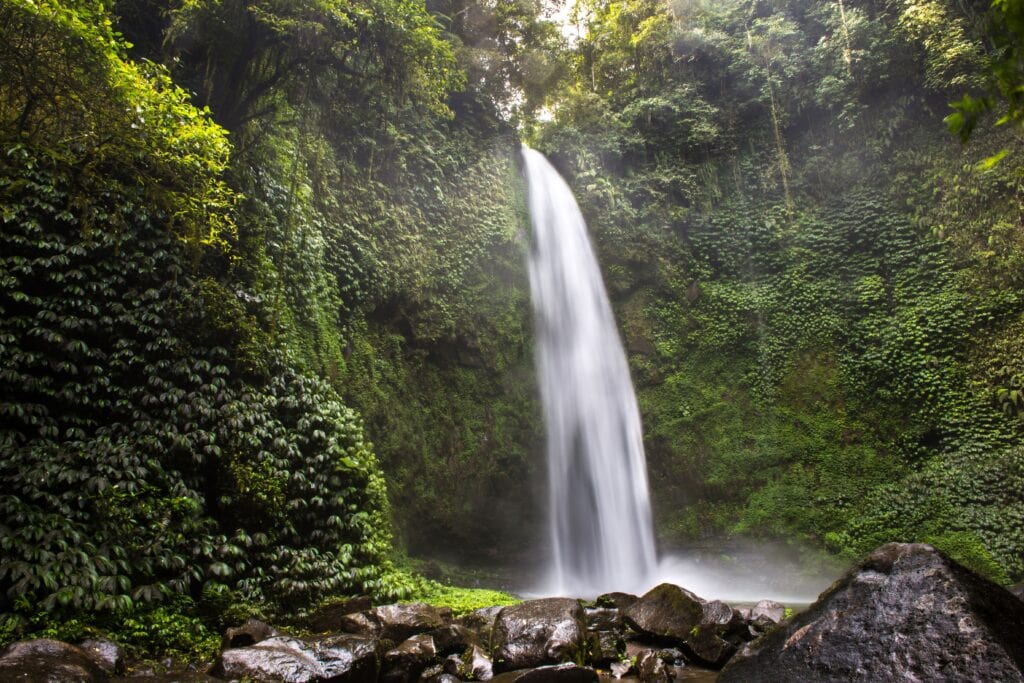
This guide is for European travellers who want to understand the best waterfalls in Bali before shaping an itinerary: which are easy to reach, which require a longer mountain drive, and which feel genuinely rewarding once you arrive. Bali’s waterfalls are not simply scenic stops; they reveal a quieter, greener side of the island beyond beaches, temples and resort areas.
Orientation: Bali is a compact but mountainous island in Indonesia, with many of its waterfalls concentrated around Ubud, Gianyar, Bangli and the cooler northern highlands near Munduk, Lovina and Sekumpul.
For visitors arriving after a long-haul journey from Europe, the main question is rarely whether Bali has beautiful waterfalls. It is how to choose between them without spending half a holiday in traffic or on steep paths. This waterfall guide focuses on easy routes, sensible timing and the trade-offs that matter in practice.
How to Understand Bali’s Waterfall Geography
Bali’s waterfall map makes more sense when divided into three broad zones. The first is the Ubud and Gianyar area, where waterfalls such as Tegenungan, Kanto Lampo and Tibumana are commonly visited from Ubud, Sanur, Canggu or Seminyak. These tend to be the easiest waterfalls to include in a relaxed day, although their popularity varies considerably.
The second zone lies around Bangli and eastern-central Bali, where Tukad Cepung and Goa Raja sit among rice fields, village roads and limestone cliffs. These waterfalls often feel more atmospheric than their distance suggests, but the access routes can involve steps, narrow paths or walking through shallow water.
The third zone is North Bali, especially the highland areas around Munduk, Lemukih and Sekumpul. This is where the island becomes mistier, cooler and more dramatic. The scenery is richer and the waterfalls often more impressive, but the journeys are longer. From South Bali, a northern waterfall day can feel ambitious unless it is planned carefully.
In simple terms, travellers based in Ubud have the widest choice for a waterfall day trip Bali without excessive driving. Travellers staying in beach areas can still visit waterfalls, but should be selective and realistic about traffic, especially when crossing central Bali.
A Practical Bali Waterfalls List by Effort
A useful bali waterfalls list should not only rank scenery. It should also consider access, walking time, atmosphere and how much of a day the journey takes. Bali’s most famous waterfalls are not always the easiest, and the easiest are not always the most memorable.
Tegenungan Waterfall: the straightforward classic
Tegenungan is one of Bali’s most accessible waterfalls, particularly from Ubud and the southern resort areas. The route is clear, the facilities are developed, and the steps down are manageable for most travellers with average mobility. The trade-off is popularity. It can feel busy and more structured than wild, especially later in the day.
Tibumana Waterfall: gentle and balanced
Tibumana is often a better fit for travellers seeking an easy, pretty waterfall without the scale of a major expedition. The walk is relatively short, with a softer jungle feel and a photogenic single drop. It suits couples, first-time visitors and anyone who wants a calm nature stop close to Ubud without committing to a full-day northern route.
Kanto Lampo Waterfall: photogenic but social
Kanto Lampo is known for its stepped rock face and dramatic water flow. It is visually striking, but the experience can be quite communal, with visitors often taking turns at the best angles. It is relatively easy to reach from Ubud, yet the rocks are slippery and the setting feels less secluded than some images suggest.
Tukad Cepung Waterfall: atmospheric and enclosed
Tukad Cepung is less about height and more about mood. The waterfall falls through a cave-like opening, with shafts of light creating a highly atmospheric scene at the right time of day. Access involves steps and walking through a narrow gorge, so it feels more adventurous than its location implies. It is best suited to travellers comfortable with uneven ground and damp surfaces.
Munduk waterfalls: cool highland scenery
The Munduk area offers several waterfalls that can be linked on foot or by short drives, depending on the route. This part of Bali feels cooler, rural and less hurried, with clove plantations, valley views and forest paths. Munduk is particularly worthwhile for travellers who prefer landscape and atmosphere over a single famous photo stop.
Sekumpul Waterfall: the dramatic northern highlight
Sekumpul waterfall is frequently described as one of the most impressive waterfalls in Bali, and with good reason. The scale, setting and layered cascades feel more dramatic than many easier-access sites. It is also one of the more demanding choices. The route can involve steep steps, local guidance, stream crossings and a long drive from southern Bali. It is worth considering when the journey itself is part of the day, not just a transfer to a viewpoint.
Best Waterfalls in Bali for Easy Routes
If ease is the priority, start close to Ubud and avoid trying to cover too much ground. Tibumana, Tegenungan and Kanto Lampo are among the most practical choices for visitors who want a gentle introduction to Bali’s waterfalls. They can usually be combined with rice terraces, village roads or a quiet lunch stop without creating an exhausting day.
Tibumana is often the most balanced option: attractive, green and not overly complex in terms of access. Tegenungan is the most straightforward for logistics, though it is also more developed and busier. Kanto Lampo is easy in distance but less easy underfoot, because the main experience often involves standing on wet rocks near flowing water.
For travellers staying in Sanur, Seminyak, Canggu or Nusa Dua, the easiest waterfall day usually means accepting a longer drive to central Bali, then limiting the number of stops. A single waterfall paired with a nearby cultural or landscape visit is often more pleasant than a packed route through several sites.
Those staying in Ubud can be more flexible. Early starts are easier, return journeys are shorter, and it is possible to visit a waterfall before the day becomes hot and crowded. Ubud is also better positioned for exploring Bangli-area waterfalls such as Tukad Cepung, though the terrain there is more varied.
When Sekumpul Waterfall Is Worth the Journey
Sekumpul waterfall deserves its reputation, but it is not the right choice for every itinerary. From the south of Bali, the drive can be long and winding, especially when traffic builds around central routes. From Munduk or Lovina, it becomes far more logical and can form part of a rewarding North Bali nature day.
The main reason to choose Sekumpul is scale. The falls are tall, powerful and surrounded by dense greenery, giving a sense of arrival that many easier waterfalls cannot match. The approach also adds to the experience: village lanes, mountain views and the cooler atmosphere of northern Bali create a different rhythm from the coast.
The trade-off is effort. Visitors should expect steps, humidity, damp paths and possible water crossings depending on the route and conditions. It is not a polished, urban-style attraction. For some travellers, that is part of its appeal; for others, it may feel too demanding relative to the time available.
Sekumpul is most worthwhile for travellers who have already allocated time to North Bali, enjoy active nature excursions, and do not mind a slower day built around one major landscape. It is less suitable as a rushed add-on from the southern beaches.
How to Plan a Waterfall Day Trip Bali Without Overloading It
A well-planned waterfall day trip Bali should be shaped around geography rather than a long checklist. Bali looks small on a map, yet its roads slow down around villages, hills and temple traffic. The most comfortable days usually focus on one region and two or three stops at most.
From Ubud, a gentle route might combine Tibumana with Kanto Lampo or Tukad Cepung, depending on energy and weather. This keeps the driving manageable and allows time to enjoy each setting rather than moving constantly. From Sanur or Seminyak, Tegenungan plus one nearby waterfall is often enough for a half-to-full day in central Bali.
For a more ambitious landscape day, Munduk offers a different kind of satisfaction. Rather than chasing a single famous cascade, travellers can experience a cooler highland environment with forest, plantations and several waterfall paths. This suits those who enjoy walking and atmospheric scenery more than quick sightseeing.
A North Bali route around Sekumpul should be treated as a full day, especially from the south. If the itinerary already includes Lovina or Munduk, it becomes much more efficient and less tiring. In that case, Sekumpul can be paired with a slow scenic drive rather than squeezed between distant coastal bases.
Best Time of Day and Season for Bali Waterfalls
Timing has a noticeable effect on Bali’s waterfall experience. Early morning is usually the best period for quieter access, softer light and cooler walking conditions. It also reduces the chance of arriving after larger visitor groups, particularly at well-known sites near Ubud.
Late morning can still be pleasant at more open waterfalls, but popular places may feel crowded and the heat increases on exposed steps. Afternoon visits can work during drier periods, though heavy rain is more likely in some seasons and paths can become slippery. The enclosed setting of Tukad Cepung is especially light-sensitive, so its atmosphere changes significantly depending on sun angle and cloud cover.
Seasonally, waterfalls tend to be fuller during and after wetter months, which can make them more dramatic. The same conditions can also bring muddier paths, stronger currents and less predictable access. During drier periods, routes are often easier, but some smaller cascades may appear less powerful.
For European travellers used to tightly scheduled city breaks, Bali rewards a looser approach. Build in buffer time, accept that rain may adjust the order of the day, and avoid judging a waterfall only by whether it matches a perfect photograph.
What Is Genuinely Worth It: Scenery, Effort and Atmosphere
The best waterfalls in Bali are not a single fixed list. They depend on what a traveller values: easy access, dramatic scenery, quiet atmosphere, photographic interest or a deeper sense of place. A refined itinerary balances beauty with comfort.
For ease and pleasant scenery, Tibumana is often a strong choice. For a simple, developed stop, Tegenungan is practical, especially for first-time visitors with limited time. For texture and imagery, Kanto Lampo and Tukad Cepung offer distinctive settings, though both can be busier or more slippery than expected.
For landscape depth, Munduk is one of Bali’s most appealing waterfall areas. It feels less like a single attraction and more like a highland environment. The cooler air, plantation roads and layered views make the journey part of the experience. This is particularly appealing for travellers who want a contrast to the coast.
For grandeur, Sekumpul stands apart, but its value is tied to planning. It is most rewarding when the day is not rushed and when travellers are comfortable with a more physical route. If time is limited or mobility is a concern, a closer central Bali waterfall may provide a calmer and more satisfying experience.
Practical Travel Tips for Bali Waterfalls
- Start early, especially for waterfalls near Ubud and Gianyar, where popular sites can become busy by late morning.
- Use regional logic: central Bali waterfalls fit best from Ubud, while Sekumpul and Munduk are more sensible from North Bali bases.
- Wear shoes with grip. Many paths include wet steps, smooth stones, mud or shallow stream crossings.
- Carry a light layer for Munduk and North Bali, where the highland air can feel cooler after rain.
- Keep electronics protected. Spray, sudden showers and damp gorge walks are common around waterfalls.
- Respect local guidance and signs, particularly after rain, when currents and paths can change quickly.
- Dress modestly when passing through villages or temple-adjacent areas, even if you plan to swim later.
- Avoid overfilling the day. Two carefully chosen waterfalls often feel more rewarding than five rushed stops.
FAQs About Bali Waterfalls
What are the best waterfalls in Bali for first-time visitors?
For first-time visitors, Tibumana, Tegenungan and Kanto Lampo are practical choices because they are relatively accessible from Ubud and central Bali. Tibumana offers the best balance of scenery and ease, while Tegenungan is the most developed and straightforward.
Is Sekumpul waterfall difficult to reach?
Sekumpul waterfall is more demanding than many central Bali waterfalls. The drive is longer, especially from the south, and the walking route may include steep steps, damp paths and water crossings. It is most sensible from Munduk, Lovina or as a carefully planned full-day trip.
Can you visit Bali waterfalls without a long hike?
Yes. Several waterfalls near Ubud and Gianyar require only short walks or manageable steps, although surfaces can still be slippery. Tegenungan and Tibumana are among the easier options, while Tukad Cepung and Sekumpul require more care and effort.
What is the best waterfall day trip Bali route from Ubud?
From Ubud, a balanced route might focus on Tibumana and Kanto Lampo, or combine Tibumana with Tukad Cepung for a more atmospheric day. The best route depends on weather, comfort with steps and whether the aim is ease or drama.
Are Bali waterfalls safe during the rainy season?
Many remain accessible, but conditions can change quickly. Paths may be muddy, steps slippery and currents stronger. After heavy rain, it is sensible to follow local advice, avoid entering fast-moving water and choose easier-access waterfalls where conditions are clearer.
Conclusion
Bali’s waterfalls are most rewarding when chosen with geography and effort in mind. Central Bali offers easy, attractive routes for relaxed nature stops, while Munduk and Sekumpul bring cooler air, deeper scenery and more demanding journeys. The trade-off is simple: the more dramatic waterfalls often require more time, patience and physical comfort. A thoughtful selection creates a better experience than a crowded checklist.
Recommended next:
- Where to Stay in Bali for First-Time Visitors
- Bali Itinerary 7 Days: Ubud + Beaches with Smooth Transfers
- Bali Itinerary 10 Days: Add Nusa Islands and Slow-Luxury Days
- Bali in 5 Days: Best Highlights Without Feeling Rushed
- Best Time to Visit Bali: Month-by-Month Weather and Crowd Reality
- Bali Travel Costs: Daily Budget for Comfortable (Not Backpacker) Trips
- More in Bali →