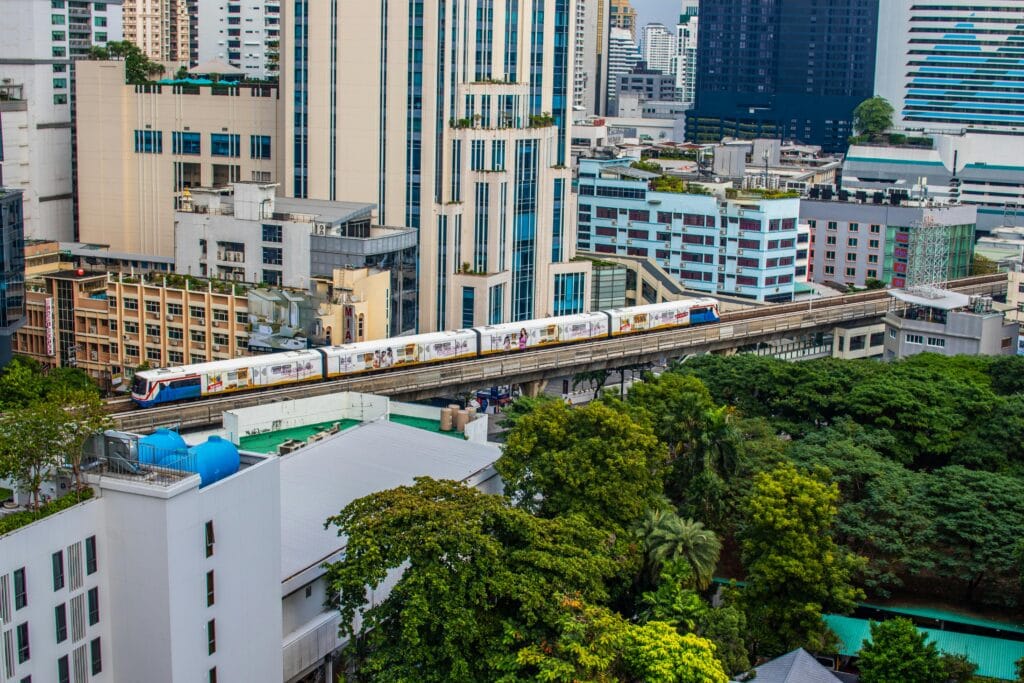
Best areas to stay in Sukhumvit Bangkok for easy transport
This guide is written for European travellers who want a clear, practical understanding of the best areas to stay in Sukhumvit Bangkok, with a particular focus on direct BTS access and effortless movement around the city. Rather than individual sukhumvit hotels bangkok, the emphasis here is on neighbourhoods, transport hubs, and how each location feels on the ground.
Sukhumvit matters for European visitors because it offers some of the most convenient connections in Bangkok: fast BTS access, straightforward links to the airport rail line, and easy taxi routes across central Bangkok stays, all wrapped in a modern, walkable urban environment with plenty of dining and nightlife options.
Orientation: Sukhumvit is a long, central artery running east–west through Bangkok, with the BTS Sukhumvit Line gliding above it and key neighbourhoods clustered around its major stations.
Understanding Sukhumvit and BTS access
Before comparing specific areas, it helps to understand how Sukhumvit is structured and why BTS access Bangkok is so central to choosing where to stay. Sukhumvit Road stretches for many kilometres, but visitors largely focus on the section between Nana (N1) and Phra Khanong (E8) on the BTS Sukhumvit Line, with Asok, Phrom Phong, Thong Lo and Ekkamai forming the core of the urban, well-connected corridor.
The BTS (Skytrain) is elevated, air-conditioned and, crucially, predictable. For European travellers used to efficient metro systems, staying within a short walk of a BTS station along Sukhumvit means avoiding gridlocked traffic, heavy humidity and long taxi journeys. Most visitors find that being within five to seven minutes’ walk of a station makes a significant difference to comfort, especially in the hotter months or during afternoon downpours.
Each micro-area along Sukhumvit has its own character, degree of walkability and mix of residential versus nightlife feel. Choosing where to base yourself is less about finding a single “best” stop and more about selecting the balance of convenience, calm, and atmosphere that suits your style of travel.
Asok: The key interchange for all-round convenience
For many visitors, Asok is the most practical answer to the question of the best areas to stay Sukhumvit Bangkok, especially if fast, multi-directional transport is a priority. Here, BTS Asok and MRT Sukhumvit intersect, creating a rare and very useful interchange between the elevated Skytrain and the underground metro network.
From Asok, the BTS takes you west towards Siam and the central shopping district in minutes, while the MRT runs north to Chatuchak Market and south towards the riverside and the city’s old quarters. This dual access significantly reduces the need for taxis and helps avoid the worst traffic bottlenecks.
On street level, Asok is intensely urban: busy junctions, overhead walkways, large shopping centres and a dense concentration of offices and international restaurants. It feels central and functional rather than atmospheric. Side streets (sois) off Sukhumvit offer quieter pockets, though the area is never truly tranquil. Asok suits travellers who value connectivity above all else, especially those planning to explore many corners of Bangkok over a few days.
Phrom Phong: Central comfort with strong BTS links
Just one stop east of Asok, Phrom Phong offers a slightly softer side to central Bangkok stays while retaining excellent BTS access. The station is flanked by large, air-conditioned malls with dining, cafés and rooftop bars that offer an easy refuge from the heat and rain, and overhead walkways make crossing the main road comparatively straightforward.
This area blends high-rise residences with a strong expat presence, meaning English is widely spoken in restaurants and services. Smaller streets leading away from Sukhumvit are lined with bistros, wine bars and massage studios, giving the neighbourhood a relaxed, lived-in urban feel. It is a comfortable base if you appreciate amenities and modern surroundings without being in the heart of Bangkok’s liveliest nightlife.
From a transport perspective, Phrom Phong is straightforward. The BTS line places you a few stops from Siam in one direction and Thong Lo and Ekkamai in the other. Journeys by Skytrain are short and rarely require changes, making this a particularly easy base for those who prefer to rely on public transport rather than taxis.
Thong Lo: Stylish neighbourhood with efficient BTS access
Thong Lo (Thonglor) is often associated with Bangkok’s creative and upscale dining scene, but it also functions well as a base with reliable BTS access Bangkok. The station sits slightly away from the densest restaurant clusters, yet the overall area is compact enough that many places are reachable by a short walk or a quick ride in a taxi or motorbike taxi.
The atmosphere here is more local and residential than around Asok or Nana, with a noticeable concentration of cafés, cocktail bars and contemporary Thai eateries. Streets feel less frantic, and footpaths, while imperfect, are generally manageable. For European visitors who appreciate a neighbourhood feel and evenings in well-designed venues, Thong Lo can be an appealing choice.
In transport terms, Thong Lo lies squarely on the Sukhumvit BTS line, placing you within a few stops of the major interchange stations. Westbound trains reach Asok and Siam quickly, while eastbound trains link on to Ekkamai and Phra Khanong. During peak hours, trains can be busy, but the predictable frequency and direct line mean journey planning remains simple.
Ekkamai and Phra Khanong: Connected, local and slightly quieter
Moving further east, Ekkamai and Phra Khanong are attractive options for travellers seeking a balance of convenience and local ambiance. Both are firmly on the BTS network, making them suitable areas within the broader category of sukhumvit hotels bangkok, even if they feel less overtly touristic.
Ekkamai has the additional advantage of hosting the Eastern Bus Terminal, from which coaches depart to coastal destinations such as Pattaya and parts of the Eastern Seaboard. This makes it particularly practical for those combining Bangkok with beach time. The area has a growing number of cafés, casual restaurants and small shopping complexes, creating a low-key yet modern environment.
Phra Khanong feels more residential, with local markets, street food stalls and smaller developments giving it a slightly more everyday Bangkok character. The BTS station still ensures quick access to central areas such as Asok and Siam, but the streetscape is less polished than around Phrom Phong or Thong Lo. For some visitors, this offers a welcome sense of authenticity; for others, it may feel a little too removed from the main sights.
Nana: Central and lively with strong BTS links
Nana, just west of Asok, is one of the most recognisable names along Sukhumvit. The BTS station is extremely central, and trains from here reach Asok and Siam in a matter of minutes. This makes it a strategically convenient base if your priority is to be close to the busiest parts of town while retaining easy public transport access.
The area itself is lively well into the night, with a concentration of bars, late-opening venues and international eateries. Street life is colourful and varied, and the main road can feel crowded, especially on weekend evenings. For European travellers who are sensitive to noise or prefer a calmer environment, Nana’s side streets and back lanes provide somewhat quieter corners, though the general atmosphere remains active.
From a movement standpoint, Nana offers straightforward BTS connectivity but can be slower for taxis and ride-hailing services due to frequent traffic congestion. Using the Skytrain for cross-city journeys and reserving road transport for shorter hops is usually the most efficient approach from this location.
On Nut and beyond: Further out but still on the BTS grid
Further east, beyond Phra Khanong, On Nut and later stations remain on the same BTS Sukhumvit Line but feel distinctly more residential. For some visitors, these districts offer an appealing balance of local markets, quieter streets and consistent Skytrain access, all at a comfortable remove from the most intense parts of central Bangkok.
Staying in these areas means allowing a little more travel time into the city’s core; journeys to Asok or Siam will be slightly longer but still direct. The trade-off is typically fewer international restaurant options and a streetscape that feels more local and less curated for visitors. For longer stays or for those who enjoy exploring everyday neighbourhoods, this can be an advantage.
When considering the best areas to stay Sukhumvit Bangkok, these outer stations are worth noting for travellers who prioritise space, quiet and routine over being in the centre of the city’s main nightlife and shopping zones.
Comparing Sukhumvit to other central Bangkok stays
While this guide focuses on Sukhumvit, it is helpful to understand how it sits within the broader landscape of central Bangkok stays. Compared with areas such as the historic old town or the riverside, Sukhumvit is more modern, more vertical and generally better connected by the BTS network.
Sukhumvit’s main strength lies in movement: the ability to travel quickly along the spine of the city without relying solely on road traffic. For visitors used to efficient European urban transport, this removes much of the stress often associated with Bangkok’s congestion. It also makes it feasible to stay in one area while exploring widely, rather than changing bases during a trip.
The trade-off is that Sukhumvit lacks the traditional architecture and river views found elsewhere. Instead, it offers an urban skyline, shopping centres, contemporary dining, and the straightforward convenience of stepping from an air-conditioned BTS carriage directly onto elevated walkways above the road.
Practical travel tips for staying in Sukhumvit
- Prioritise walking distance to the BTS: Aim for accommodation within about five to seven minutes on foot of a Sukhumvit Line station to make everyday movement more comfortable in the heat.
- Use station exits strategically: Larger hubs like Asok and Phrom Phong have multiple exits; check maps to avoid unnecessary street crossings and to stay on elevated walkways where possible.
- Travel outside rush hour when you can: Morning and evening peaks can mean crowded trains, particularly between Asok and Siam; late morning and early afternoon are usually calmer.
- Combine BTS and MRT at Asok: Use BTS Asok for east–west movement along Sukhumvit and MRT Sukhumvit for north–south journeys to places like Chatuchak or the riverside.
- Keep small change for tickets: Ticket machines at BTS stations often require coins or small notes; a stored-value card can be convenient for frequent journeys.
- Plan for rain: Sudden showers are common; many Sukhumvit stations are linked to malls and covered walkways, which can provide sheltered routes between streets.
- Be prepared for uneven pavements: Footpaths along Sukhumvit and its side streets can be irregular; comfortable footwear is helpful, especially if you plan to walk between stations.
- Use taxis for late-night returns: After the BTS closes around midnight, taxis and ride-hailing services remain easy to find along Sukhumvit, though traffic may still be busy near nightlife spots.
- Observe local norms on the BTS: Queuing behind marked lines, giving up seats for those who need them and keeping luggage compact at doors are appreciated courtesies.
- Allow extra time for airport connections: From Sukhumvit, many travellers connect to the Airport Rail Link via Phaya Thai or Makkasan; factor in transfer time between systems.
FAQs about the best areas to stay in Sukhumvit Bangkok
Is Sukhumvit a good base for first-time visitors to Bangkok?
Yes, Sukhumvit works well for first-time visitors who value simple transport and modern surroundings. The BTS line allows quick access to major shopping areas, while MRT connections at Asok help reach older districts and the riverside without relying solely on taxis.
Which Sukhumvit area has the easiest BTS access for sightseeing?
Asok is particularly convenient because it connects both BTS and MRT lines, making it easy to reach shopping districts like Siam, markets such as Chatuchak and riverside areas. Phrom Phong and Nana also offer straightforward BTS access along the same line.
Are Thong Lo and Ekkamai too far from central Bangkok sights?
No, both Thong Lo and Ekkamai sit directly on the BTS Sukhumvit Line, and trains run frequently. You may spend a few extra minutes travelling compared with Asok, but journeys remain quick and direct, with the benefit of a calmer, more residential atmosphere.
Is Sukhumvit well connected to Bangkok’s airports?
Sukhumvit does not have a direct rail link to the airports, but it connects easily to the Airport Rail Link at Phaya Thai or Makkasan via BTS or MRT. Taxis and ride-hailing services are also widely available along Sukhumvit for direct transfers.
How does Sukhumvit compare to the riverside for a short stay?
Sukhumvit offers better BTS access and a more modern, urban ambiance, which suits travellers who prioritise movement and contemporary dining. The riverside provides scenic views and proximity to historic sights but often relies more on taxis and boats for everyday transport.
Conclusion
Sukhumvit is one of the most practical answers to where to base yourself in Bangkok if efficient, predictable movement around the city is your priority. From the multi-line connectivity of Asok to the softer feel of Phrom Phong, the creative energy of Thong Lo and the quieter, local character of Ekkamai and Phra Khanong, each area offers a distinct balance of atmosphere and convenience.
Choosing among the best areas to stay Sukhumvit Bangkok is ultimately about matching your tolerance for bustle, your interest in local neighbourhoods and your reliance on the BTS to explore the wider city. Understanding these trade-offs helps set realistic expectations and makes it easier to navigate Bangkok in a way that feels both manageable and rewarding.