Introduction: A Gentle Island Base off Bali
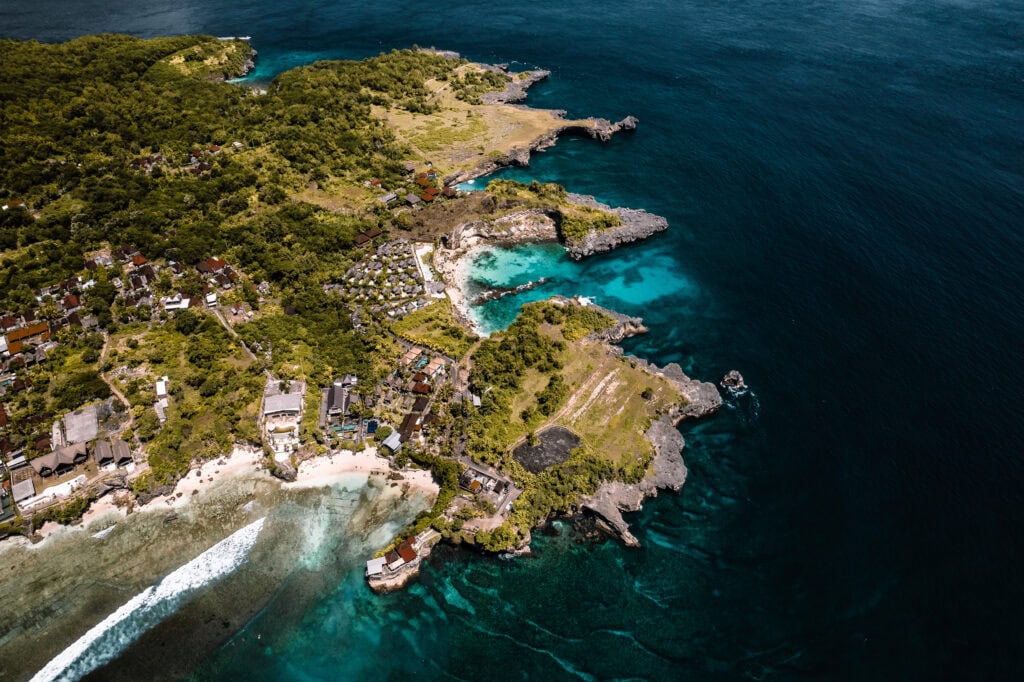
Nusa Lembongan is a compact island off the southeast coast of Bali, popular with travellers who want the Balinese sun and sea without the mainland crowds. This guide is for European travellers deciding where to stay in Nusa Lembongan if you prefer slow, unhurried island days, easy access to the water, and a sense of being away from it all while still having enough comfort and choice.
Choosing the right part of Nusa Lembongan matters because each small cove and headland feels quite different: some are lively and social, others almost village-like and quiet, and a few look directly across to neighbouring Nusa Ceningan or Nusa Penida. Thinking of the island as a base, rather than a checklist of sights, helps you match its areas to your own travel rhythm.
Geographically, Nusa Lembongan sits about 30 minutes by fast boat from Sanur on Bali’s east coast, forming a trio with Nusa Ceningan and the larger, wilder Nusa Penida just beyond.
Understanding Nusa Lembongan’s Layout as an Island Base
For such a small island, Nusa Lembongan has a surprisingly distinct set of micro-neighbourhoods. When people search for the “lembongan best area”, they are usually choosing between a handful of coastal strips, each defined by its beach, access to snorkeling and surf, and evening atmosphere.
The western side of the island faces Bali and tends to have more accommodation, beach clubs and sunset viewpoints. The eastern and northern shores look towards the mangroves and Nusa Penida, giving a softer, lagoon-like feel. Internal roads are narrow, often unpaved in sections, and shared with scooters and small trucks, so where you base yourself determines how much time you spend on the back of a scooter versus walking to what you want to do.
In broad terms, you can think of Nusa Lembongan as three overlapping zones: the lively southwest beaches (Jungut Batu and Tamarind), the relaxed south (Mushroom Bay and Sandy Bay), and the quiet northeast (the Mangrove area and village hinterland). Each works differently as an island base, depending on whether your days revolve around the sea, cafés, or quiet corners.
Jungut Batu: Classic Beachfront and Central Island Life
Jungut Batu on the northwest coast is the main arrival point for many fast boats from Bali and the traditional hub for nusa lembongan hotels. The long, curved beach is lined with simple warungs, small hotels, boutique stays and a few low-key beach clubs. Behind the beach, the village street has minimarts, dive shops, scooter rentals and casual eateries.
As an island base, Jungut Batu suits travellers who like to be in the middle of everyday life. You can walk to most essentials, watch the local seaweed farmers at work at low tide, and head out on dive or snorkel trips directly from the beach. The area is sociable without feeling overly developed, and sunsets here, with Bali’s Mount Agung on the horizon, are among the island’s most memorable scenes.
There are trade-offs: at low tide the shoreline can become more seaweed flats than swimming beach, and the narrow village road can feel busy with scooters around boat arrival times. If you are seeking absolute seclusion, Jungut Batu might feel a little active. If you want that balance of convenience and beach atmosphere, it is one of the strongest options for where to stay in Nusa Lembongan.
Mushroom Bay and Tamarind: Gentle Bays for Relaxed Days
South of Jungut Batu, Mushroom Bay is a sheltered cove with soft sand and calm waters. It has a more contained feel than Jungut Batu, with a small arc of beach framed by cliffs and a handful of cafés and hotels nestled into the curve. Many European visitors choose Mushroom Bay as a base when they want easy swimming, boat trips at their doorstep, and a sense of being slightly removed from the main village bustle.
Adjacent Tamarind Bay, accessible by a short walk or scooter ride over the headland, feels quieter again, with a mix of small properties and views back across the water to Bali. The water between Mushroom and Tamarind is popular with paddleboarders and swimmers, and the coastal path between them provides some appealing viewpoints.
The compromise here is that while Mushroom Bay is lovely for lazy, bay-focused days, its compact nature means fewer independent dining options than Jungut Batu and slightly less of that lived-in island village character. For travellers treating Nusa Lembongan as a restful base—perhaps after a week between Seminyak and Ubud—this softness can be precisely the attraction.
Sandy Bay and the Southwest Cliffs: Seascapes and Seclusion
Further along the southwest coast, Sandy Bay and its surrounding cliffs offer a more rugged island atmosphere. Waves break against the rocky shore, and dramatic viewpoints sit a short stroll from a small, pretty cove. Accommodation in this area tends to feel tucked away, with easy access to quiet lanes and sea breezes.
This part of the island suits travellers who are comfortable being slightly removed from the main hubs. You will likely rely on a scooter transfer or organised transport to reach Jungut Batu’s wider dining options or to join dive trips, but in return you gain a sense of privacy, open sky and nightly wave sounds. It can feel more like staying in a coastal hideaway than a village.
The southwest is also a convenient jumping-off point for the Yellow Bridge to Nusa Ceningan, where more viewpoints and small bars await. As an island base, Sandy Bay works for couples and friends who prioritise scenery and space over being able to step directly onto a busy beachfront promenade.
Mangrove Area and the Quiet Northeast: Calm Water and Village Feel
On the opposite side of the island, the Mangrove area on the northeast coast is markedly quieter. Here the coastline softens into shallow lagoon and mangrove channels, with a scattering of small cafés and accommodations looking across to Nusa Penida.
This side of Nusa Lembongan is a good fit if you see your island base as somewhere to genuinely slow down. Early mornings are peaceful, with local fishermen and occasional snorkel boats heading out to nearby reefs. Some properties here can organise traditional mangrove tours by small boat, which offer a very different atmosphere to the open-coast beaches of the west.
The limitation is distance: you are further from Jungut Batu and Mushroom Bay, and the roads can be a little rougher. For most travellers this means factoring in more scooter rides or transfers and accepting fewer dining choices within walking distance. If your priority is quiet nights, gentle water and a sense of being slightly off the main circuit, the Mangrove area can be appealing.
Lembongan vs Nusa Penida: Which Island Works Better as a Base?
When considering lembongan vs nusa penida, it helps to think about your trip as a whole. Nusa Lembongan is smaller, more walkable, and generally easier to navigate, with compact pockets of accommodation around sandy beaches. It works well as a comfortable, laid-back base where you can blend hours by the water with occasional adventures.
Nusa Penida, by contrast, is much larger, with dramatic cliffs and famous viewpoints such as Kelingking and Diamond Beach. Distances are longer, roads can be rough, and getting between sights often involves substantial time in a car or on a scooter. Many visitors choose to stay on Nusa Lembongan and visit Penida on a day trip, enjoying the more dramatic landscapes while returning to Lembongan’s gentler pace in the evening.
If you value comfort, shorter journeys and a clear sense of neighbourhood—choosing between Jungut Batu’s activity, Mushroom Bay’s calm, or Sandy Bay’s quiet seascapes—Nusa Lembongan usually makes the better base. If your focus is photography, hiking up and down steep paths, and you are happy with long, sometimes bumpy transfers, Nusa Penida can be rewarding, but it will feel less like a compact island village and more like a rugged rural island.
Choosing the Right Area for Your Style of Island Stay
Looking across the main areas of Nusa Lembongan, the choice of base comes down to the rhythm you want for your days. Jungut Batu suits travellers who like to step out into a working village, have a choice of simple cafés and bars, and be close to dive centres. Mushroom and Tamarind Bays are ideal for those who picture a softer, sheltered bay where most of the day is spent between the sand, the sea and a nearby terrace.
If your idea of an island retreat revolves around sea breezes, cliff views and evenings listening to the waves, Sandy Bay and the surrounding southwest headlands feel more secluded and elemental. For travellers drawn to quiet sunrises, gentle paddling and a sense of village life, the Mangrove area and northeast coast can offer a less visited perspective on the island.
Whichever area you choose, distances are relatively short, and it is easy to explore the rest of the island by scooter or by arranging transfers through your accommodation. Thinking of Nusa Lembongan as a small, self-contained island base rather than a day trip helps you pick a corner that matches how you prefer to spend your time: active, social, introspective, or a blend of all three.
Practical Travel Tips for Staying on Nusa Lembongan
-
Boat transfers: Most visitors arrive by fast boat from Sanur on Bali. Sea conditions can be choppy, particularly during the windy season; if you are prone to seasickness, choose an earlier morning crossing when the sea is often calmer.
-
Arrival and departure: Boats typically land at Jungut Batu or Mushroom Bay. Be prepared to step into shallow water when disembarking, as there may not always be a jetty.
-
Getting around: Scooters are the most common way to move between areas. Roads are narrow with occasional potholes, so only drive yourself if you are confident. Otherwise, arrange transfers through your hotel or use local transport services.
-
Walking distances: Within each area, such as Jungut Batu beach or Mushroom Bay, you can walk between many cafés and accommodations. However, walking between major areas often involves steep sections and limited shade.
-
Timing your stay: For a relaxed island base, many travellers find two to four nights ideal, allowing time for a snorkel trip, a visit to neighbouring Nusa Ceningan, and unhurried beach days.
-
Cash and cards: There are a few ATMs on the island, generally around Jungut Batu, but they can occasionally run low. Smaller warungs may prefer cash, especially away from the main hubs.
-
Swimming and tides: Swimming conditions change with the tide. Check locally which parts of the beach are safest and most comfortable at different times of day, especially if travelling with children.
-
Sun and heat: Shade can be limited on some paths and beaches. A hat, high-factor sunscreen and light clothing make it easier to explore during the middle of the day.
-
Respecting local life: Nusa Lembongan is still a working island, with seaweed farming and religious ceremonies. Dress modestly away from the beach, especially when passing temples or village streets.
-
Electricity and water: Power cuts can occur occasionally. Having a small torch and a refillable water bottle is helpful; many accommodations provide filtered water to reduce plastic use.
FAQs about Where to Stay in Nusa Lembongan
Is Jungut Batu or Mushroom Bay better as a base?
Jungut Batu offers more village life, a wider range of places to eat and drink, and easier access to dive and snorkel operators. Mushroom Bay is quieter and more compact, with a sheltered swimming beach and a slightly more resort-like feel. If you like activity and local atmosphere, Jungut Batu works well; if you prefer a contained, calm bay, Mushroom Bay is appealing.
Which is the lembongan best area for families?
Families often favour Mushroom Bay and the surrounding area because of the relatively calm water, soft sand and compact layout. Parts of Jungut Batu also work for families who want a little more choice in dining and activities, though some stretches of beach there are more affected by tides and seaweed farming.
How does Nusa Lembongan compare to Nusa Penida for a short stay?
Nusa Lembongan is easier to get around, with short distances and clear clusters of accommodation, making it more convenient for a two- or three-night stay. Nusa Penida is larger and wilder, better for dramatic landscapes and day touring, but less straightforward if you want to walk to the beach or cafés from your accommodation.
Are nusa lembongan hotels mostly on the beach?
Many hotels and guesthouses are near the coast, particularly along Jungut Batu, Mushroom Bay and the southwest cliffs. However, there are also hillside and village properties set back from the shoreline, which often have broader views and a quieter atmosphere but require a short scooter ride or walk to reach the beach.
Is it easy to explore the whole island from one base?
Yes. Nusa Lembongan is small enough that you can explore its main areas from any base with short scooter rides or arranged transfers. The key is choosing whether you want to step directly onto a busy beach promenade, a quiet cove, or a village lane when you leave your room each morning.
Conclusion: Balancing Calm, Connection and Coastline
Staying on Nusa Lembongan is less about ticking off landmarks and more about choosing the kind of everyday island setting that suits you. Jungut Batu brings you into the island’s rhythm of boats, cafés and sunset views, Mushroom and Tamarind Bays offer softer, bay-focused days, Sandy Bay provides drama and seclusion, and the Mangrove area delivers quiet water and village life.
Each area carries its own compromises between convenience, atmosphere and privacy, but all share the same compact scale and easy access to the sea. With the right base, Nusa Lembongan becomes a gentle counterpart to busier corners of Bali, an island where your days are shaped more by tides and light than by schedules.