Where to Stay in Koh Lanta for a Laid-Back Beach Escape
This guide on where to stay in Koh Lanta is written for European travellers who prefer long, quiet beaches, unhurried days, and the freedom of exploring by scooter rather than chasing nightlife. If you enjoy simple comforts, space to breathe, and a softer side of Thailand, Koh Lanta’s relaxed coastline offers an appealing alternative to the country’s busier islands.
Choosing the right stretch of sand on Koh Lanta matters: the island is long and linear, resorts are spread out, and the atmosphere shifts subtly from one bay to the next. Picking an area that suits your pace will influence everything from whether you can walk to dinner, to how easily you can escape into the jungle or find a calm beach for a morning swim. If you are combining Koh Lanta with time in the capital, the broader overview of neighbourhoods in Bangkok’s main areas for first-time visitors provides useful context for planning your route through Thailand.
Orientation: Koh Lanta lies in the Andaman Sea, south of Krabi and east of Phi Phi, with one main inhabited island stretching north–south, its west coast lined with beaches and its east coast remaining largely local and low-key.
Understanding Koh Lanta’s Coastline: How the Island is Laid Out
Most European visitors stay on the west coast of Koh Lanta, where a string of beaches runs from north to south in a simple curve. The ferry pier is in the north, while the quieter, more remote beaches sit towards the island’s southern end. There is effectively one main road running along the west coast, making orientation straightforward, especially for scooter exploration.
The northern part of Koh Lanta is more developed and convenient. Here you find a cluster of Koh Lanta hotels, minimarts, cafes, and dive shops. It is easier to get around without your own wheels, and journey times from the pier are shorter. However, the beaches themselves can feel busier in high season, and the shoreline is more built up.
Further south, the island feels progressively softer and more natural. Resorts are more spaced out, the road grows quieter, and the views open onto jungle-covered hills and rocky headlands. This is where the laid-back island angle becomes most obvious: hammock-friendly beach bars, slow sunsets, and a sense that the Andaman Sea is the main event rather than the backdrop.
For a first visit, it can help to think of Koh Lanta in three broad sections: the north for convenience, the middle for balance between comfort and calm, and the south for quieter beaches and a more remote feel.
North Koh Lanta: Klong Dao & Long Beach for Easy Arrivals
The northern section, especially around Klong Dao and Long Beach (Phra Ae), is the most established area for Koh Lanta resort areas. This part of the island suits travellers who value easy access to services and a gentle introduction to island life.
Klong Dao is closest to the main pier and tends to attract families and visitors who prefer short transfers and flat, walkable surroundings. The beach itself is broad and shallow, with soft sand and relatively calm water in season. Many low-rise resorts open directly onto the beach, separated from the main road by a strip of gardens and access paths. Evenings are quiet, with a simple choice of beach restaurants and low-key bars.
Long Beach sits just to the south and usually feels a little livelier without becoming hectic. The sand is still wide and inviting, but the shoreline is longer and slightly more varied, with pockets of rocks and viewpoints. Long Beach makes a good compromise for couples and friends who want the option of a drink in a beach bar, some live music, and a wider spread of dining, while still retaining a relaxed, sleep-friendly atmosphere.
This northern section is also the most practical if you do not intend to rent a scooter. Many places are linked by the main road, and it is easy to flag down local transport or walk along the beach. The trade-off is that you are never entirely alone; these are not the most secluded stretches of sand on Koh Lanta.
Mid-Island Calm: Klong Khong & Klong Nin for Laid-Back Beach Days
Heading further south, Klong Khong and Klong Nin offer a more distinctly laid-back island feel. This middle stretch of the island has become popular with repeat visitors and those who prefer simple comfort to signature design.
Klong Khong is known for its slightly bohemian character: rustic beach bars, hammocks slung between palm trees, and sunset spots that attract a mix of travellers and seasonal residents. At low tide, the beach can be rocky in places, which is worth noting if you plan to swim frequently, but the atmosphere is easy-going and social in a low-key way.
Klong Nin, a little further south, offers a softer, more uniform strip of sand, backed by a single line of resorts, bungalows, and small guesthouses. The beach feels more intimate than the long northern bays, and the sea is often suitable for relaxed swimming in season. With fewer large developments, nights are quiet; you can walk along the sand to a handful of restaurants illuminated by lanterns and soft light.
This middle section works particularly well if you plan to base yourself somewhere calm and explore in all directions by scooter. From here, it is feasible to ride north for a change of scene on Long Beach, or south into the national park area for viewpoints and wilder landscapes, all within manageable distances along the main coastal road.
Southern Koh Lanta: Kantiang Bay and Beyond for Quiet Retreats
South of Klong Nin, the coast becomes more rugged, the road more winding, and the scenery more dramatic. This is where you find some of the island’s most photogenic bays, including Kantiang Bay, beloved by many as the best beach Koh Lanta offers for a blend of scenery and seclusion.
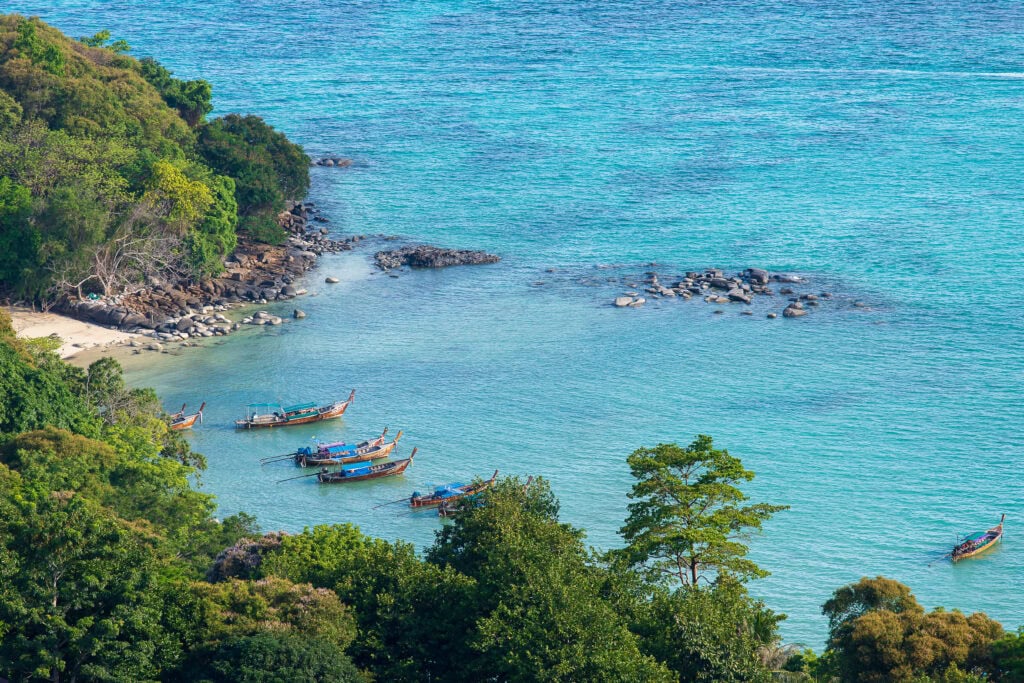
Kantiang Bay curves gently between two wooded headlands, creating a sheltered arc of pale sand and typically clear water in season. Development here is limited; a handful of resorts share the coastline with small restaurants and a simple village area on the inland side of the road. Even in busier months, it feels distinctly quieter than the north, and at times you may have long stretches of sand almost to yourself.
Continuing south towards Mu Ko Lanta National Park, the coastline alternates between compact beaches and rocky outcrops. Accommodation thins out, and the sense of distance from everyday life increases. This area best suits travellers who are comfortable with relative isolation and prepared to manage their own transport, as organised taxis and shuttles are fewer and less frequent.
The southern beaches are ideal if your priority is rest and silence: reading with the sound of waves, swimming in uncrowded coves, and falling asleep early. The compromise is that dining choices are more limited, and journeys back to the north for activities, larger shops, or boat departures can be longer, especially after dark.
East Coast and Old Town: Local Life Beyond the Beaches
While most accommodation and classic Koh Lanta hotels line the west coast, the east side of the island, including Lanta Old Town, offers a very different perspective. This area faces the mainland and surrounding islands, with mangroves, fishing villages, and wooden houses on stilts above the water.
Staying here is less about beach time and more about a sense of the island’s local rhythms. The Old Town has a small main street with wooden shophouses converted into cafes, simple guesthouses, and a few discreet places to stay above the water. Sunrises, not sunsets, are the main spectacle, and the sea on this side is generally less suitable for swimming.
This area works well for travellers who have already experienced the island’s west coast and wish to spend a couple of slower days in a setting that feels more rooted in local life. From here, it is easy to organise boat trips into the mangroves or out to quieter neighbouring islands, though you will need to cross the island by scooter or taxi whenever you want to return to the main beaches.
Scooters on Koh Lanta: Exploring the Island at Your Own Pace
Scooters are central to the appeal of Koh Lanta’s laid-back island character. With one primary coastal road, moderate traffic by Thai standards, and long distances between some beaches, many visitors find that renting a scooter transforms their experience of the island.
From a practical point of view, the north of the island is more forgiving for less experienced riders. The roads here are straighter and flatter, so it is simpler to move between Klong Dao, Long Beach, and the mid-island sections even if you are still gaining confidence. In contrast, the southern stretches towards Kantiang Bay and the national park include steeper hills, curves, and occasional rough patches, especially after rain.
If you intend to rely on scooters, it can be worth choosing accommodation with easy, safe access to the main road and adequate lighting at night. Areas like Klong Nin and Klong Khong offer a good balance: less traffic than the north, yet close enough to more developed sections that journeys for dinner or supplies remain short and straightforward.
Experienced riders often favour the south for its views and quieter traffic, enjoying the ability to ride from beach to beach in a single day. Less confident visitors may prefer to base themselves further north and use scooters for shorter trips, supplementing with local transport when necessary.
Choosing the Right Koh Lanta Resort Area for Your Travel Style
When deciding where to stay in Koh Lanta, it helps to align your base with the way you like to travel rather than chasing a single “best” beach. Each area has its own rhythm and set of trade-offs.
For convenience and short transfers, Klong Dao and Long Beach remain the most straightforward options. These are the best choices if you are arriving late, travelling with children, or planning multiple boat trips, as you spend less time on the road. The atmosphere is relaxed but not remote, with enough restaurants and services to keep logistics simple.
If your focus is on balance – quiet days, a few neighbours, but still some choice around you – Klong Khong and Klong Nin work well. These mid-island zones are also well placed geographically: it is relatively easy to ride north or south, and you are never too far from either the busier hubs or the wild southern landscapes.
For a more retreat-like stay, the south around Kantiang Bay and the roads leading to the national park offers the clearest sense of escape. Here, the best beach Koh Lanta can offer is often the quiet one just steps from your accommodation, and scooters become more of a necessity than an option.
The east coast and Old Town, meanwhile, are less about classic beach holidays and more about spending unhurried time in a setting that still feels distinctly local. They suit travellers who are happy to trade immediate beach access for a slower, more atmospheric base in between periods on the west coast.
Practical Travel Tips for Staying on Koh Lanta
Transfer timing from Krabi: Plan arrivals in Krabi or Trang so that your onward journey to Koh Lanta fits with daylight hours, especially if you intend to ride a scooter on arrival.
Choose your beach for walking: If you prefer to walk to dinner, focus on Klong Dao, Long Beach, or Klong Nin, where restaurants and small shops line the main road close to the beach.
Scooter safety: The main road is generally calm, but bring an international driving permit, wear a helmet, and avoid riding on the steeper southern sections after heavy rain or late at night.
Cash and ATMs: ATMs are easiest to find in the northern and mid-island areas. If staying further south, withdraw cash in advance to avoid long rides purely for banking.
Sun and heat: Long, open beaches mean little natural shade at midday; lightweight clothing and a hat are essential if you plan to walk along the sand or ride a scooter during peak sun.
Tides and swimming: Some beaches, particularly around Klong Khong, can be rocky at low tide. Check local conditions and consider footwear if you like to swim throughout the day.
Evening lighting: In quieter areas, street lighting can be limited. A small torch or phone light is useful for walking back along unlit lanes from beach restaurants.
National park visits: If you are based in the north, start early for trips to Mu Ko Lanta National Park to avoid riding the southern hills during the hottest hours.
Respect for local life: Away from the central beach strips, Koh Lanta remains a conservative island. Dress modestly when riding through villages or visiting the east coast and Old Town.
Seasonal variability: During the green season, some smaller resorts and beach bars may close, especially in the south, so staying nearer the north and mid-island zones can offer more consistency.
FAQs About Where to Stay in Koh Lanta
Which area has the best beach in Koh Lanta?
Many visitors regard Kantiang Bay in the south as the best beach Koh Lanta offers, thanks to its curved bay, soft sand, and relatively quiet setting. However, Long Beach and Klong Nin provide a strong balance of good swimming, sunset views, and nearby restaurants, which may suit some travellers better.
Is the north or south of Koh Lanta better for a first-time visit?
For a first visit, the northern and mid-island areas around Klong Dao, Long Beach, Klong Khong, and Klong Nin are usually more practical. Transfers are shorter, services are closer together, and it is easier to get around without extensive planning. Once you are familiar with the island, the quieter southern bays can be more appealing.
Do I need a scooter to enjoy Koh Lanta?
A scooter is not essential if you stay in the north near Klong Dao or Long Beach, where much can be reached on foot or by short taxi rides. However, to fully explore different Koh Lanta resort areas and reach the quieter southern beaches or viewpoints, renting a scooter makes movement much more flexible.
Where should families stay on Koh Lanta?
Families often favour Klong Dao and the northern end of Long Beach, where the sand is wide and gently sloping, and facilities such as small shops, simple clinics, and beachside restaurants are nearby. The atmosphere is calm, and transfers to and from the mainland are shorter than from the far south.
Are there quiet areas with some dining options nearby?
Klong Nin is a good example of a quiet area that still offers a modest cluster of restaurants and small bars within walking distance. It provides more seclusion than the north while remaining more convenient than the remote southern coves.
Conclusion: Balancing Beaches, Quiet and Freedom on Koh Lanta
Staying on Koh Lanta is about choosing your preferred blend of long beaches, quiet surroundings, and the independence that comes from easy scooter exploration. The north offers convenience, the middle of the island balances calm with access, and the south leans into seclusion and scenery. Each stretch of coastline shapes the rhythm of your days differently, allowing you to decide how much you want the island to slow you down.
Recommended next:
- Thailand Itinerary 10 Days: Bangkok, Chiang Mai & Islands for First-Timers
- Thailand Itinerary 14 Days: Classic Route with Beaches and Northern Culture
- Thailand in 7 Days: Bangkok + One Beach Base (No Rushing)
- Best Time to Visit Thailand: Month-by-Month Weather for Europeans
- Thailand Travel Costs: Realistic Daily Budget for European Travelers
- Thailand Travel Insurance Guide: What to Cover and What to Skip
- More in Thailand →