Staying Scam‑Savvy in Thailand: A Calm Safety Overview
This guide is for European travellers planning a first or repeat trip to Thailand who want to enjoy the country’s temples, islands and food with a clear understanding of common tourist scams and how to avoid them. It focuses on realistic situations you may encounter in major destinations, from Bangkok to Phuket, and offers practical ways to stay confident rather than anxious.
Thailand is one of Asia’s most visited destinations, and its popularity means that petty scams sometimes sit just behind the warm welcome. Understanding how Thailand tourist scams work helps you make measured decisions on the street, at transport hubs and around major sights, especially in busy urban areas. For a deeper feel for the capital’s layout and neighbourhoods, you may also find an orientation guide such as where to stay in Bangkok for first-time visitors useful alongside this safety overview.
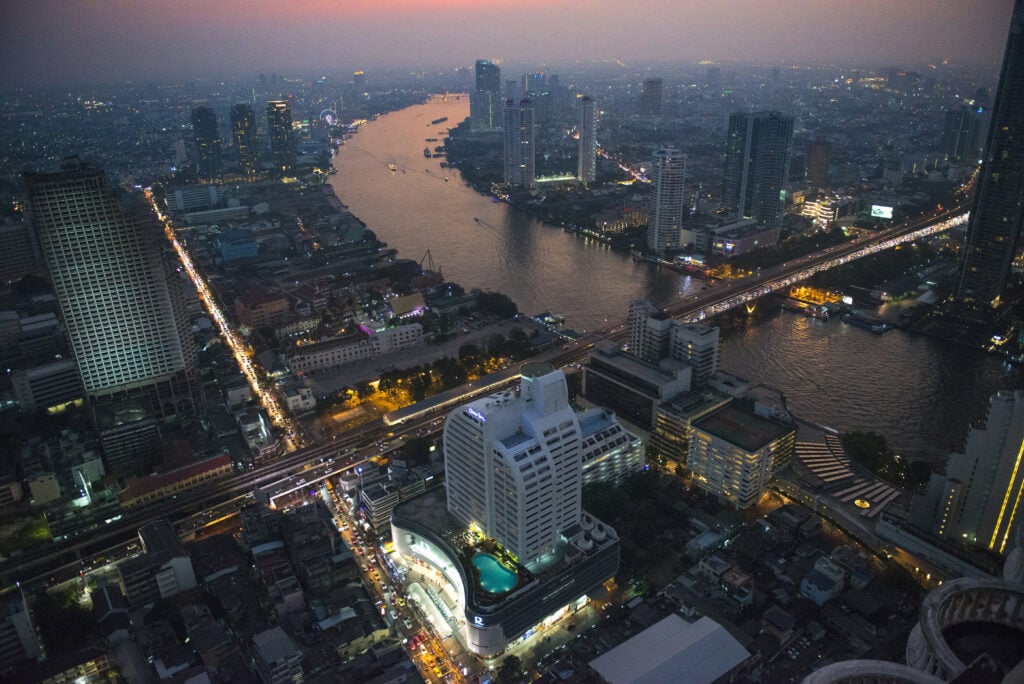
Geographically, Thailand stretches from the northern mountains around Chiang Mai to the Andaman and Gulf of Thailand coasts, with Bangkok sitting roughly in the centre as the main international gateway and Phuket as the best-known island base for many Europeans.
Understanding the Landscape of Thailand Tourist Scams
Most scams in Thailand are opportunistic and non-violent, focusing on confusion, social pressure or overcharging rather than physical threat. They tend to cluster where visitors are concentrated: around major temples, nightlife strips, ferry piers, bus stations and beaches. Recognising the typical patterns is your best protection.
In Bangkok, expect approaches near the Grand Palace, Khao San Road, popular shopping streets and river piers. In Phuket and other resort areas, scams more often revolve around transport, tours, jet skis and nightlife. Elsewhere in the country, tourism hubs like Chiang Mai and Pattaya show similar patterns but usually at a gentler pace.
What links these experiences is a script: a friendly stranger offering help, an unexpected problem that only they can solve, or an invitation that escalates quickly into a high bill. Knowing that script in advance allows you to step back, smile, and disengage without confrontation.
Classic Bangkok Scams Around Temples and Tuk‑Tuks
Bangkok’s density and energy make it a natural focus for petty scams. Many revolve around its temples and tuk-tuks, particularly in and around the historic Rattanakosin area.
“Temple is closed” ruse
Near the Grand Palace, Wat Pho and other major sights, you may be told by a seemingly friendly local that the site is closed for a ceremony or holiday. They will then propose an alternative tour by tuk-tuk or taxi, often involving gem shops or tailor stops where drivers earn commission.
To avoid this, always check opening times on an official sign at the entrance, not with people on the street. If a stranger insists a sight is closed, simply thank them and continue to the main gate. The temple is usually open.
Too‑cheap tuk‑tuk tours
Offers of a city tour for a very low price are common around central Bangkok. The hidden cost is time spent at design studios, tourist shops and gem outlets where pressure to buy can be intense. The driver receives fuel vouchers or commissions for each stop.
Instead, agree on a clear fare and direct route before getting into a tuk-tuk, and decline multi-stop “special deals”. For simple point-to-point journeys, reputable taxi apps or metered taxis are usually more predictable, especially in heavy traffic.
Unofficial guides and helpers
Another typical Bangkok scam involves informal guides who latch on at temple entrances or ticket counters, offering assistance with dress codes or fast entry and then demanding large tips. Official guides are clearly identifiable with badges and, at major sites, a posted price board.
Take a moment to observe how locals and other visitors enter. If someone approaches you proactively with unexpected help, assume that a payment will be requested and feel free to decline politely before any “service” begins.
Phuket Scams: Beaches, Jet Skis and Nightlife
Phuket’s coastal setting brings a different set of challenges. The most discussed Phuket scams tend to involve beach rentals, motorised water sports and nightlife districts where alcohol weakens judgement.
Jet ski damage disputes
On some beaches, visitors renting jet skis have reported being accused of causing pre-existing damage and then pressured to pay substantial repair fees. The atmosphere can feel intimidating, particularly if several people gather around.
If you choose to rent, walk around the jet ski with the operator first, photograph any existing scratches or dents and make sure these are acknowledged. If a dispute arises, remain calm and request police assistance; the prospect of official involvement often changes the tone.
Overpriced or switched menus
In certain tourist-heavy strips, especially late at night, some bars and clubs may show one set of prices at the door and charge another on the bill, or add unexpected fees for entertainment or “ladies’ drinks”.
Protect yourself by checking a full menu before ordering, confirming whether there is a service charge, and keeping track of what you consume. If a bill seems inflated, question specific line items rather than the total, and do so calmly and firmly.
Motorbike rental risks
Renting scooters is popular on islands, but this can come with two issues: disputes over damage and traffic incidents. Some travellers report being charged for scratches they didn’t cause, or facing steep payments if an accident occurs without insurance.
If you are not fully comfortable riding in Thai traffic, it is safer to rely on taxis or organised transfers. If you do rent, photograph the bike thoroughly at pick-up and drop-off, use reputable agencies and check insurance coverage carefully.
Money, Taxis and Everyday Overcharging in Thailand
Many Thailand safety tips concern money management: exchanging currency, paying for taxis and understanding everyday prices. While the amounts involved are often modest, awareness helps you avoid repeated, small losses.
Currency exchange and ATM skimming
Using unofficial money changers on the street or in small shops carries risks of poor exchange rates, hidden fees or even counterfeit notes. ATMs are generally safer but, as in many countries, can be targets for card skimming.
Prefer established exchange counters in malls or banks and withdraw cash from ATMs located inside major shopping centres or bank branches. Shield your PIN, and check notes when they are handed to you so any problem can be addressed immediately.
Taxi meters and flat fares
In Bangkok and other cities, some taxi drivers may refuse to use the meter and propose a fixed price instead, often significantly higher than the metered rate. At airports, unofficial drivers may approach you in arrivals halls with offers that sound convenient but are poorly regulated.
Use official taxi queues at airports and insist politely on the meter. If a driver refuses, simply step out and choose another vehicle. In Phuket and some islands, where meters are less common, ask your hotel, restaurant or a trusted local staff member about usual rates for typical journeys to set your expectations.
Small change and note swapping
Occasionally, travellers report situations where a large note is handed over and the vendor claims a smaller note was given, or where change is intentionally short in busy markets. This is more about taking advantage of distraction than an organised scam.
Count out your money slowly when paying and check your change before leaving a stall or counter. Keeping smaller denominations handy for everyday purchases reduces both confusion and temptation.
Smooth Encounters: Tours, Tailors and Entertainment Venues
Beyond the classic Bangkok scams and beach issues, some of the most common friction points in Thailand involve tours, shopping and nightlife entertainment.
Unclear tour inclusions
Street-side tour stands and informal sellers may advertise day trips or excursions at attractive headline prices, only for travellers to discover additional costs for national park fees, equipment, meals or transfers. The experience itself may be fine, but expectations and reality do not always match.
Before agreeing to anything, ask what is included and what is not, how many stops are planned, and the size of the group. A written itinerary or clear message in a chat app can help avoid later misunderstandings.
Tailor “special deals”
Thailand is known for made-to-measure clothing, especially in Bangkok and Phuket. However, some tailors or touts on the street offer very low starting prices that climb rapidly once you are seated inside, with extra charges for fabric quality, linings and adjustments.
To stay in control, decide in advance whether you genuinely want tailored items. If you enter a shop, take your time to look at fabrics and ask specific questions before measurements begin. Do not feel obligated to order just because you have been offered a drink or tried on a sample jacket.
Hidden extras in entertainment districts
In nightlife areas such as Patong in Phuket or certain Bangkok districts, a few venues may charge unexpected “entry fees” or inflated drink prices after drawing in customers with vague or misleading offers. Occasionally, unitemised “service” or “show” fees appear on the final bill.
For a smoother evening, step back and read any posted price lists outside venues, and be wary of invitations that avoid mentioning cost. Inside, keep your own count of drinks and ask for the running total if you sense any confusion.
Staying Personally Safe While Avoiding Scams
Most scams in Thailand target wallets, not physical safety, but the two are connected. A few simple habits help you navigate crowded streets and nightlife districts with composure.
Bag security and pickpocketing
Crowded markets, festival events and busy transport hubs can attract pickpockets. Their methods are familiar from major European cities: distraction, sudden jostling or staged spills. In Thailand, they are most common in heaving night streets and on certain buses.
Use a small cross-body bag with secure zips, keep it in front of you, and avoid storing passports or large amounts of cash in outside pockets. Consider a money belt or hidden pouch for spare cards and copies of important documents.
Alcohol, drugs and spiked drinks
As in nightlife areas worldwide, judgement can slip after several drinks. Overly friendly strangers offering “special” drinks, shots or substances introduce unnecessary risk, from inflated bills to serious health and legal issues.
Watch your drink being prepared, avoid leaving it unattended and be cautious with offers from people you have just met. Thailand’s drug laws are strict, and penalties can be severe regardless of a traveller’s lack of local knowledge.
Respectful firmness
Scam-proofing in Thailand is not about confrontation. A firm but respectful “no, thank you” accompanied by a slight nod and moving on is widely understood. Prolonged engagement, arguing over small amounts or raising voices rarely improves the situation.
Learning a few Thai phrases for politeness can ease interactions and de-escalate minor tensions. A calm tone and relaxed body language often deter pushy sellers more effectively than visible irritation.
Practical Travel Tips for Safer Days in Thailand
- Use official airport transport desks and marked taxi queues when arriving in Bangkok or Phuket to avoid unlicensed drivers.
- Rely on reputable ride-hailing apps in major cities to see approximate fares and routes in advance.
- Carry a photocopy or digital scan of your passport, keeping the original in a hotel safe unless required for travel or official procedures.
- Dress modestly and follow posted rules at temples; respectful behaviour reduces the likelihood of being singled out for “special help”.
- Check opening times and entrance fees for major sights in advance to avoid falling for “closed today” stories.
- Withdraw cash from ATMs inside malls, metro stations or bank branches rather than standalone machines on quiet streets.
- Keep a small reserve of Thai baht in separate pockets or bags to limit the impact if you lose a wallet or are short-changed.
- For island transfers and excursions, confirm departure times, meeting points and what is included in writing or via a message.
- When crossing busy Bangkok roads, use pedestrian bridges and crossings where possible; traffic can be less predictable than in most European cities.
- In beach areas, do not leave phones, wallets or passports unattended on loungers, even at seemingly relaxed resorts.
FAQs: Thailand Safety and Tourist Scams
Are Thailand tourist scams dangerous or just annoying?
Most Thailand tourist scams are geared towards small financial gains rather than violence. They are usually annoying rather than dangerous, provided you stay calm, avoid confrontation and walk away from situations that feel uncomfortable.
How common are Bangkok scams around the Grand Palace?
Approaches claiming the Grand Palace is closed, or offering very cheap tuk-tuk tours from nearby streets, are relatively common. The easiest solution is to ignore all such offers and go directly to the official ticket entrance, where signage and staff are clear.
What should I watch out for in Phuket at night?
In Phuket, pay attention to bar and club pricing, be cautious about drink offers from strangers, and be aware of potential disputes over jet ski or motorbike rental. Staying aware in busy nightlife streets and limiting valuables you carry reduces risk.
Is Thailand safe for solo European travellers?
Thailand is generally considered safe for solo travellers, including women, as long as you apply standard urban precautions, especially at night and in entertainment areas. Inform someone of your plans, keep copies of documents and avoid isolated spots after dark.
How can I avoid taxi scams in Thailand?
Insist on the meter in cities where this is standard, use official airport queues and ride-hailing apps where available, and be prepared to refuse rides if the driver declines to use the meter. Asking hotel or restaurant staff about typical fares also helps you recognise inflated quotes.
Conclusion: Enjoying Thailand with Informed Confidence
Thailand offers a rich mix of temples, food, beaches and city life, and the vast majority of visits pass without serious incident. The scams that do exist tend to follow predictable patterns: unsolicited help, unclear pricing and pressure to make quick decisions. By understanding how these situations work, setting your own pace and using a few measured precautions, you can explore Bangkok, Phuket and the rest of the country with a clear head and realistic expectations, balancing everyday vigilance with the relaxed curiosity that makes travel in Thailand so rewarding.
Recommended next:
- Thailand Itinerary 10 Days: Bangkok, Chiang Mai & Islands for First-Timers
- Thailand Itinerary 14 Days: Classic Route with Beaches and Northern Culture
- Thailand in 7 Days: Bangkok + One Beach Base (No Rushing)
- Best Time to Visit Thailand: Month-by-Month Weather for Europeans
- Thailand Travel Costs: Realistic Daily Budget for European Travelers
- Thailand Travel Insurance Guide: What to Cover and What to Skip
- More in Thailand →