Introduction: Visiting Elephants in Thailand with a Clear Conscience
This guide is for European travellers who feel drawn to Thailand’s elephants but want to ensure their visit supports genuine welfare rather than exploitation. It focuses on how to evaluate an ethical elephant sanctuary in Thailand and navigate a landscape where “sanctuary” is often used loosely. Thailand sits at the heart of mainland Southeast Asia, with most elephant experiences clustered around Chiang Mai in the north and key tourism hubs elsewhere in the country.
For many visitors, an elephant visit is combined with time in Bangkok, where understanding neighbourhoods and locations, such as those outlined in an orientation piece on where to stay in Bangkok for first-time visitors, helps shape a thoughtful, well-paced itinerary that leaves space for responsible wildlife encounters.
Elephants have been intertwined with Thai history, logging and tourism for centuries. Moving away from riding and shows towards ethical, observation-based visits is part of a wider shift toward responsible travel, where your presence can help fund long-term care rather than short-term entertainment.
What “Ethical” Really Means for Elephant Sanctuaries in Thailand
The term “ethical elephant sanctuary Thailand” is not regulated, so understanding what it should mean in practice is essential. At its core, an ethical operation prioritises the physical and psychological wellbeing of elephants over visitor entertainment.
Key indicators of an ethical sanctuary include:
- No riding elephants in Thailand: Saddles, howdahs and even bareback riding put strain on elephants’ spines and often involve harsh training. Ethical places do not offer riding, regardless of how short or “gentle” it is.
- No performances or tricks: Elephant painting, football and circus-style shows are clear signs that the animals have been trained for entertainment.
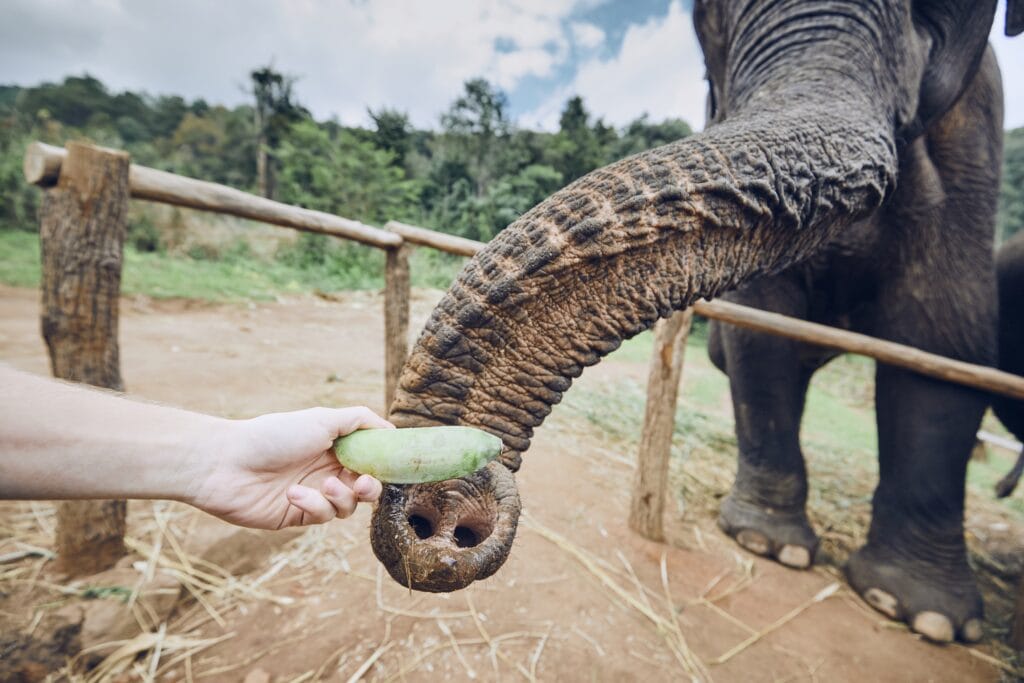
- Limited, respectful interaction: Contact, if allowed, is calm and on the elephants’ terms, not structured around selfies or queues for touching.
- Space and natural behaviour: Elephants should have room to roam, access to forest or natural terrain, and opportunities to forage, bathe and socialise in herds.
- Transparent stories: Reputable sanctuaries are open about where each elephant came from (trekking camps, logging, street begging) and the limitations of their current situation.
Ethical operations are often rescue or retirement projects, not breeding centres for tourism. They may work with local communities and vets, and they usually communicate honestly about the costs and compromises involved in caring for such large animals for decades.
Chiang Mai: Heartland of Elephant Sanctuaries and Responsible Choices
The elephant sanctuary Chiang Mai region is particularly popular with European travellers. The mountains and forests north and east of the city host many camps, from long-established projects to newer ventures responding to demand for more responsible experiences.
Choosing carefully in Chiang Mai matters because the density of options makes it easier for less ethical camps to present themselves as sanctuaries. When assessing programmes around Chiang Mai, consider:
- Location and environment: Many projects are in rural valleys or forest edges, typically reached by 60–90-minute drives. More space usually means more natural behaviour.
- Daily routines: A welfare-focused day often includes observing elephants foraging, walking alongside them at a distance, and perhaps assisting with preparing food, rather than staged activities.
- Group sizes: Smaller groups create a calmer setting for both elephants and visitors, reducing crowding and pressure on the animals.
- Guide knowledge: Guides who share nuanced information about behaviour, body language and history indicate a more thoughtful, education-led approach.
Chiang Mai’s appeal lies in combining cool-season mountain air, hill landscapes and a slower rhythm than Bangkok or the islands. Building an elephant visit into a longer stay also allows time to learn about local Karen and other communities historically involved in elephant care.
No Riding, No Shows: Why “No Riding Elephants Thailand” Is Now the Baseline
The phrase “no riding elephants Thailand” has become a shorthand for responsible travel, but understanding why riding is problematic helps in evaluating subtler forms of exploitation.
From an ethical perspective:
- Training methods: Traditional training for riding and shows has often relied on coercion to make elephants submissive to human commands.
- Physical strain: Elephants are not built to carry heavy loads repeatedly, especially metal frames and multiple people, which can damage their spines and feet over time.
- Unnatural routines: Timetabled rides and performances rarely align with elephants’ natural patterns of rest, feeding and social interaction.
Some camps now advertise “no saddle, only bareback” or “short rides” as a compromise. From a welfare-led viewpoint, this still centres the experience around what visitors do to the elephant, rather than what is best for the animal. Ethical tours in Thailand increasingly replace riding with walking beside elephants on forest paths, watching from a distance at feeding sites, or simply sitting quietly near a mud wallow or riverbank.
Recognising Red Flags and Green Flags When Researching Sanctuaries
Evaluating a potential visit starts long before you arrive in Thailand. Online research can reveal much about the ethos of a sanctuary if you know what to look for.
Red flags:
- Images of people sitting on elephants, even without saddles
- Elephants painting, playing instruments or performing tricks
- Heavy emphasis on bathing selfies, hugging or standing directly underneath trunks
- Promises of guaranteed close contact with baby elephants
- Vague descriptions with little information on individual animals or welfare practices
Green flags:
- Clear statements about no riding, no shows and limited contact
- Detailed biographies of each elephant, including their background and health issues
- Mentions of veterinary partnerships, long-term care and rescue or retirement narratives
- Educational focus, such as learning about behaviour, diet and conservation challenges
- Visibility of shaded areas, forest and naturalistic enclosures in photos
Cross-checking different sources, including independent welfare organisations and traveller reports, helps form a more rounded picture. The most ethical operations may look more understated online, with fewer dramatic photographs and more emphasis on context and learning.
Understanding Ethical Tours in Thailand: Beyond the Elephant Camp
The concept of ethical tours Thailand extends well beyond elephants, but visiting a sanctuary is often a gateway moment for travellers reassessing how they engage with wildlife and local communities.
When choosing an elephant-focused tour, consider:
- Who runs the tour: Some operators partner with one or two vetted sanctuaries, while others spread visitors across a wider network of camps with varying standards.
- How the day is structured: Time spent listening, walking and observing usually reflects a more responsible approach than full days packed with multiple animal activities.
- Transport and group logistics: Shared minivans are the norm from hubs like Chiang Mai or northern Thai towns; long transfers can be tiring, so a realistic schedule matters.
- Community links: Some ethical tours incorporate village visits or handicraft projects that provide income alternatives to more intensive elephant tourism.
Seeing elephant welfare in this broader context helps reframe the experience: rather than a single bucket-list activity, it becomes part of a wider pattern of lower-impact choices, from the excursions you pick to how you move between regions.
What to Expect from a Day at an Ethical Elephant Sanctuary
Understanding the rhythm of a typical visit helps align expectations with responsible practice. An ethical elephant sanctuary in Thailand usually offers a quieter, more observational atmosphere than traditional camps.
A day might include:
- Arrival and briefing: Staff explain safety, boundaries and the sanctuary’s history, often over tea or fruit.
- Meeting from a distance: You may first see the herd across a field or from a viewing area, giving elephants space to assess the group.
- Preparing food or enrichment: Cutting fruit, stuffing food balls, or hiding treats encourages natural foraging behaviour.
- Walking alongside elephants: Short, slow walks on natural paths, always at the elephants’ pace, can be part of their daily routine.
- Observation at water or mud pits: Watching elephants bathe and interact from a bank or platform shows more genuine behaviour than highly choreographed bathing sessions.
Expect rules about when and how you can approach, and accept that some elephants will prefer not to be close to people at all. The most memorable moments often come from quietly watching family interactions or small gestures of comfort between herd members rather than from photographs taken at arm’s length.
Practical Travel Tips for Visiting Ethical Elephant Sanctuaries in Thailand
- Plan sanctuary visits from major hubs such as Bangkok, Chiang Mai or Phuket, which have the most tour connections and onward transport options.
- Allow buffer days around your elephant visit to avoid rushing long drives, especially in the north where sanctuaries are often in rural valleys reached by winding roads.
- Wear lightweight, neutral-coloured clothing that can get dusty or muddy; avoid bright patterns and flowing fabrics that may distract or snag.
- Choose closed shoes with good grip for uneven terrain and riverbanks; flip-flops are rarely practical.
- Bring a reusable water bottle and sun protection, including a hat and high-SPF sunscreen, as shade can be limited during walks.
- Use insect repellent, particularly around dusk in forested areas, and consider long sleeves and trousers in the cool and dry seasons.
- Respect local dress norms by avoiding overly revealing outfits, especially if your tour includes a village stop or temple visit.
- Expect basic but functional facilities at many sanctuaries, with rural-style toilets and simple, often home-cooked lunches.
- Listen carefully to safety briefings; always follow staff guidance on distance and positioning around elephants.
- Keep phones and cameras secure with wrist straps or pouches, so you can focus on your surroundings rather than your equipment.
FAQs: Ethical Elephant Sanctuaries in Thailand
Are all elephant sanctuaries in Chiang Mai ethical?
No. The term “sanctuary” is widely used in the Chiang Mai region, including by camps that still offer riding or shows. Research each place individually, checking for policies on riding, performances, contact and herd management.
Is it ever acceptable to ride elephants in Thailand?
From a welfare-first perspective, riding is not considered ethical, even without saddles or for short distances. The focus of a responsible visit should be observing natural behaviour, not using elephants as transport or entertainment.
Can I bathe with elephants at an ethical sanctuary?
Some sanctuaries have moved away from shared bathing as it can become stressful or repetitive for the animals. Others may allow limited, controlled interaction. Look for operations where bathing, if offered, happens on the elephants’ terms and is not the central selling point.
How can I tell if an elephant tour in Thailand is ethical before I go?
Check for clear no-riding policies, absence of shows, detailed information on each elephant and an emphasis on education rather than close contact. Independent welfare reviews and long-form traveller accounts can provide additional context.
Is visiting an ethical elephant sanctuary better than not visiting at all?
Responsible visits can provide funding for food, veterinary care and land, supporting elephants already dependent on human care. The key is to support sanctuaries that prioritise welfare and transparency over visitor entertainment.
Conclusion: Balancing Curiosity with Responsibility
Spending time with elephants in Thailand can be a deeply affecting experience, especially when approached through the lens of responsible travel. Choosing an ethical elephant sanctuary in Thailand involves accepting quieter moments, more distance and fewer showpiece photographs, in exchange for a more honest view of these complex animals and the people who care for them.
The trade-offs are clear: you may forego certain interactions or conveniences, but you gain the reassurance that your presence contributes to long-term welfare rather than short-lived spectacle. For many European travellers, that balance is precisely what makes an encounter with Thailand’s elephants meaningful.
Recommended next:
- Thailand Itinerary 10 Days: Bangkok, Chiang Mai & Islands for First-Timers
- Thailand Itinerary 14 Days: Classic Route with Beaches and Northern Culture
- Thailand in 7 Days: Bangkok + One Beach Base (No Rushing)
- Best Time to Visit Thailand: Month-by-Month Weather for Europeans
- Thailand Travel Costs: Realistic Daily Budget for European Travelers
- Thailand Travel Insurance Guide: What to Cover and What to Skip
- More in Thailand →