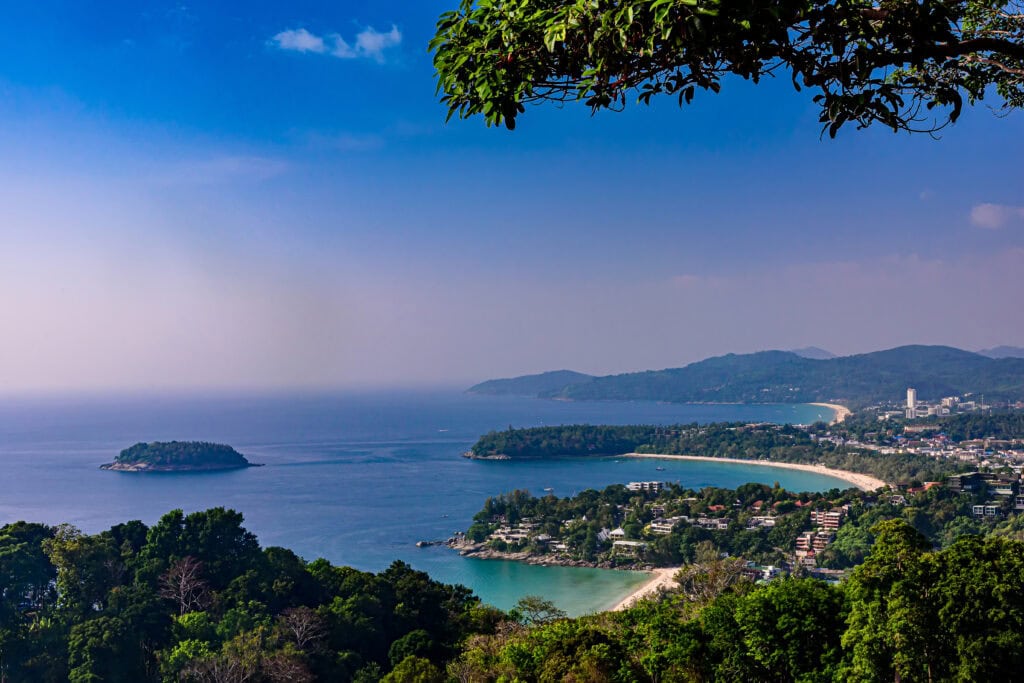
Introduction: Choosing Your Phuket Beach Base
This guide is for European travellers planning a first or second trip to Thailand and trying to decide where to stay in Phuket along its west-coast beaches. With several bays strung along the shoreline, each with a distinct character, choosing the right one shapes everything from noise levels and nightlife to the kind of sea views you wake up to.
Understanding Phuket areas to stay is just as important as choosing the right neighbourhood in Bangkok; if you are planning a twin-centre trip, it pairs naturally with broader orientation pieces such as where to stay in Bangkok for first-time visitors. While Bangkok is inland and urban, Phuket's decision is coastal: which stretch of sand best fits your style.
Geographically, Phuket is an island on Thailand's Andaman Sea, connected to the mainland by bridge; the main tourist beaches of Patong, Karon, Kata and Kamala line the central and northern part of the west coast, roughly 45–60 minutes by road from the airport.
Overview: Comparing the Main Phuket Beach Areas
When people search for where to stay in Phuket, they are usually deciding between four neighbouring beaches: Patong, Karon, Kata and Kamala. All sit within about a 30-minute drive of one another, but the atmosphere between them varies markedly.
- Patong – Phuket's most developed and energetic beach town, known for nightlife, dense hotel strips and a busy crescent of sand.
- Karon – A long, breezy beach with a more relaxed feel than Patong, yet still with plenty of dining and some nightlife.
- Kata – A smaller, scenic bay popular with couples, families and surfers, with a compact centre and intimate feel.
- Kamala – A quieter, village-style beach, home to several upscale resorts and a slower rhythm, especially appreciated by longer-stay visitors.
All four beaches face west, so sunsets over the Andaman Sea are a shared highlight. The differences lie in crowd density, traffic, entertainment and how built-up the shoreline feels. For European visitors adjusting to the climate and time zone, these contrasts can significantly influence comfort and how restful the holiday feels.
Patong: Phuket's Lively Heart
Patong is the busiest and most urban of the west-coast beaches. If you picture neon lights, live music, late-night bars and a constant hum of traffic and people, that is broadly Patong's mood. It is the island's entertainment hub, day and night.
Vibe and atmosphere
Patong is energetic, sometimes chaotic, and at times overwhelming for travellers seeking peace. It does, however, offer the widest variety of restaurants, bars and convenience services in Phuket, alongside a vibrant street scene that can feel reassuringly "lively" if you prefer not to be somewhere too quiet after dark.
The beach itself
The bay is wide with pale sand and generally gentle water outside of monsoon season. Parasailing, jet skis and boat traffic make Patong Beach feel active rather than tranquil. The promenade is lined with palm trees, vendors and cross-streets leading into the town grid.
Who Patong suits
- Nightlife enthusiasts wanting bars, live music and social energy within a short stroll.
- Travellers who like urban convenience: pharmacies, shopping malls, tailors and massage places on every block.
- Groups of friends or solo travellers who value being in the thick of things more than serenity.
Trade-offs
Noise levels are high, traffic can be slow, and Patong feels more like a small city by the sea than a coastal village. Those searching for the best beach in Phuket to stay for pure relaxation may find it too intense, especially in peak season and around Bangla Road, the nightlife spine.
Karon: Long Beach with a Balanced Mood
Just south of Patong, Karon occupies a long, gently curving stretch of sand. The main road runs behind the beach, with hotels set back across the road or on low hills, often with partial sea views.
Vibe and atmosphere
Karon feels more spacious than Patong, both on the beach and in town. It is developed but not saturated; you can find beach bars, restaurants and a small night market without the sensory overload of Patong's core. Streets are generally calmer, and the crowd tends to be mixed: couples, families, and European visitors returning year after year.
The beach itself
Karon Beach is one of Phuket's longest, which helps it absorb crowds. Even in busier months, it rarely feels packed. Waves can be stronger here in the monsoon period (roughly May to October), and red flags are common when swimming conditions are unsafe. On calm days, it is a broad, breezy spot ideal for long shoreline walks.
Who Karon suits
- Travellers wanting a middle ground between Patong's bustle and quieter bays further south or north.
- Beach walkers and joggers who appreciate the long uninterrupted shoreline.
- Families who want space on the sand yet still value easy access to dining and basic nightlife.
Trade-offs
Karon lacks the intense nightlife of Patong and the intimate bay scenery of Kata. Some parts along the main road feel slightly traffic-heavy, and crossing to the beach often means using zebra crossings rather than strolling straight out of a beachfront hotel.
Kata: Compact, Scenic and Village-Like
Kata Beach lies just south of Karon and is one of the most popular choices when Europeans ask about phuket areas to stay that balance charm, walkability and a sense of place. The bay is smaller and more protected than Karon, with headlands framing the view.
Vibe and atmosphere
Kata feels cosy and village-like, with a compact grid of streets behind the beach lined with restaurants, cafés and small shops. It attracts couples, families and travellers interested in a relaxed but social beach town rather than a party scene. In the European winter months, it can feel quite cosmopolitan, with a strong mix of visitors from across Europe.
The beach itself
The sand is soft and the water typically inviting during the dry season. Kata is also known for gentle to moderate surf at certain times of the year, drawing beginner and intermediate surfers. Sunsets here are striking, with the small offshore islet providing a focal point for photographs.
Who Kata suits
- Couples looking for a scenic, walkable base with enough restaurants for a week's stay.
- Families who prefer a smaller-scale environment but still want plenty of services within a short walk.
- Travellers interested in low-key surf culture and casual beach days.
Trade-offs
Because the bay is smaller, the beach can feel busy in peak months. Streets are narrower than in Karon, and traffic can become congested at certain junctions. Those seeking total quiet might find it slightly too lively, while those wanting a wide spectrum of nightlife may still gravitate towards Patong.
Kamala: Calmer Shores and a Slower Pace
North of Patong, Kamala Beach offers a noticeably quieter atmosphere, with a village core, several higher-end resorts and a more residential feel. For many returning visitors, this area represents the most relaxing answer to where to stay in Phuket on the west coast while still being within reach of Patong.
Vibe and atmosphere
Kamala is relaxed, with a slower rhythm than the three beaches to the south. Street life is gentler, with local markets, small cafés and family-run restaurants alongside a sprinkling of more polished venues. Nightlife is limited: evenings tend to revolve around long dinners and perhaps a drink by the sea rather than bar-hopping.
The beach itself
The bay is broad and gently shelving, with a reasonably wide beach at mid-tide. The northern end, in particular, often feels peaceful, with fewer crowds and a slightly more natural setting. Sunsets here feel less busy, and evening walks on the sand are a highlight.
Who Kamala suits
- Travellers prioritising calm surroundings over immediate access to nightlife.
- Longer-stay visitors or digital workers who value a quieter daily environment.
- Families and older travellers who prefer a measured beach town with village character.
Trade-offs
Kamala's tranquillity means fewer entertainment options and a more subdued after-dark scene. For shopping malls, big shows or more extensive dining choices, you often travel to Patong or further south, which adds time in taxis or on scooters.
Orientation and Transport Between Patong, Kata, Karon and Kamala
All four beaches lie along a single coastal road, with Patong roughly in the middle: Kamala to the north, Karon and Kata to the south. Distances are short on the map but can feel longer in traffic, especially around Patong's access roads.
- Airport access – Phuket International Airport is in the island's north. Kamala is generally the closest of the four; Patong, Karon and Kata are further south and take longer depending on traffic and time of day.
- Getting between beaches – Taxis and ride-hailing apps are the most convenient option for many visitors. Ride times between neighbouring beaches typically range from 10 to 25 minutes, though hills and curves can make the journey feel slower.
- Walking and cycling – Within each beach area, walking is straightforward along main streets and promenades. However, walking between the beaches usually involves steep hills and is not practical in the heat for most travellers.
- Day trips and excursions – Tour operators pick up from all main beaches, but departures might be slightly earlier for Kata and Karon compared to Patong, depending on route. Kamala is well-placed for excursions heading north towards Phang Nga Bay.
In choosing the best beach in Phuket to stay, consider not only the local atmosphere but also how often you plan to move between areas. Those planning frequent evenings in Patong might prefer to base in Patong itself, or at least in Karon, rather than commuting from Kamala or Kata every night.
Matching Phuket Areas to Travel Styles
Beyond the physical description of each bay, it helps to think in terms of travel style and daily rhythm when deciding between Patong, Kata, Karon and Kamala.
- For nightlife and entertainment – Patong is the clear choice, with Karon as a quieter second option for those who want occasional nights out but prefer to sleep somewhere calmer.
- For a relaxed yet social beach town – Kata balances beach time with a village atmosphere, suiting travellers who enjoy dining out and strolling but do not need big clubs or late-night noise.
- For space and long walks – Karon's long beach and relatively spread-out layout appeal to those who value open horizons and fewer people around them on the sand.
- For peace and longer stays – Kamala offers the slowest pace, particularly appealing for people working remotely, reading by the pool, or enjoying quiet evenings.
- For multi-beach exploring – If you like sampling different areas, Karon and Patong are practical middle bases, reducing journey times north to Kamala and south to Kata.
Ultimately, there is no single "best" place; the ideal spot depends on how you imagine your days and nights: quiet sea views and early mornings, or sociable evenings and late starts.
Practical Travel Tips for Staying in Phuket's West-Coast Beaches
- Transfer times – Expect 45–60 minutes from Phuket Airport to Patong or Kamala in light traffic, and potentially longer to Karon and Kata during peak hours; build this into arrival and departure planning.
- Beach safety – On all four beaches, pay close attention to red flags indicating strong currents, especially during the May–October monsoon season.
- Sun and heat – The west coast faces direct afternoon sun; use high SPF, seek shade in the early afternoon and hydrate regularly, particularly if walking between the town and beach.
- Transport at night – In the evenings, agree taxi fares in advance if not using ride-hailing apps, and allow extra time for journeys into or out of Patong, where traffic can be dense.
- Noise levels – In Patong, request accommodation on quieter back streets or further from Bangla Road if you are sensitive to noise; in Kata, Karon and Kamala, choose locations slightly away from main roads for a calmer sleep environment.
- Footwear – Pavements can be uneven or narrow in parts of Patong and Kata; comfortable sandals or trainers make walking more pleasant, especially in the evening.
- Local norms – Beachwear is normal on the sand but less appropriate away from the waterfront; a light cover-up or shirt is appreciated when entering shops, cafés and restaurants.
- Rain showers – Short, heavy showers are common; a small foldable umbrella or lightweight rain jacket is useful when moving between beach and town.
- Day-trip timing – For snorkelling or island excursions, morning departures are typically calmer at sea; staying closer to the main departure marinas (often accessed via Patong) can make early starts less tiring.
FAQs: Where to Stay in Phuket's Beach Areas
Which is the best beach in Phuket to stay for first-time visitors?
For many first-time visitors, Karon or Kata provide a good balance of amenities, beach quality and manageable nightlife. Patong is best if nightlife and entertainment are priorities, while Kamala suits those seeking a calmer experience from the outset.
Is Patong better than Kata or Karon for European travellers?
Patong is better if you value nightlife, shopping and constant activity, and do not mind noise or crowds. Kata and Karon are often preferred by Europeans who want a more relaxed atmosphere while still having enough restaurants, cafés and low-key bars nearby.
Is Kamala too quiet compared with other Phuket areas to stay?
Kamala is quieter than Patong, Kata and Karon, particularly at night. Some travellers find this ideal for rest, while others feel it lacks variety in evening entertainment. If you are comfortable taking taxis to Patong occasionally, Kamala's calm can be an advantage.
Can I easily visit other beaches if I stay in one area?
Yes, taxis and ride-hailing services connect all four beaches, and journey times are relatively short, though hills and traffic can slow progress. Many visitors base themselves in one beach area and visit others for specific dinners or evenings out.
Which Phuket beach is best for families?
Karon, Kata and Kamala all work well for families, each offering a different balance of calm and convenience. Karon and Kata have more immediate options for casual dining and activities, while Kamala offers a quieter backdrop and a village feel that some families appreciate.
Conclusion: Balancing Energy, Space and Calm on Phuket's West Coast
Choosing where to stay in Phuket between Patong, Kata, Karon and Kamala is less about distance and more about atmosphere. Patong delivers energy and entertainment, Karon offers space and balance, Kata feels village-like and sociable, and Kamala leans into calm and slower days. Understanding these trade-offs allows you to align your chosen bay with how you prefer to spend your time by the Andaman Sea, whether that means late nights, quiet swims, long walks or unhurried dinners facing the sunset.
Recommended next:
- Thailand Itinerary 10 Days: Bangkok, Chiang Mai & Islands for First-Timers
- Thailand Itinerary 14 Days: Classic Route with Beaches and Northern Culture
- Thailand in 7 Days: Bangkok + One Beach Base (No Rushing)
- Best Time to Visit Thailand: Month-by-Month Weather for Europeans
- Thailand Travel Costs: Realistic Daily Budget for European Travelers
- Thailand Travel Insurance Guide: What to Cover and What to Skip
- More in Thailand →